This morning, I just finished replying to a client who sells home products overseas. He sent me a link and asked: Some people call this 3D animation, others call it product animation. What's the real difference? Am I looking for the wrong kind of production team?
This question is not uncommon. Every month, e-commerce sellers search for the difference between product animation and 3d animation on Google. They sense the two terms are not the same, but explaining the exact difference often gets confusing.
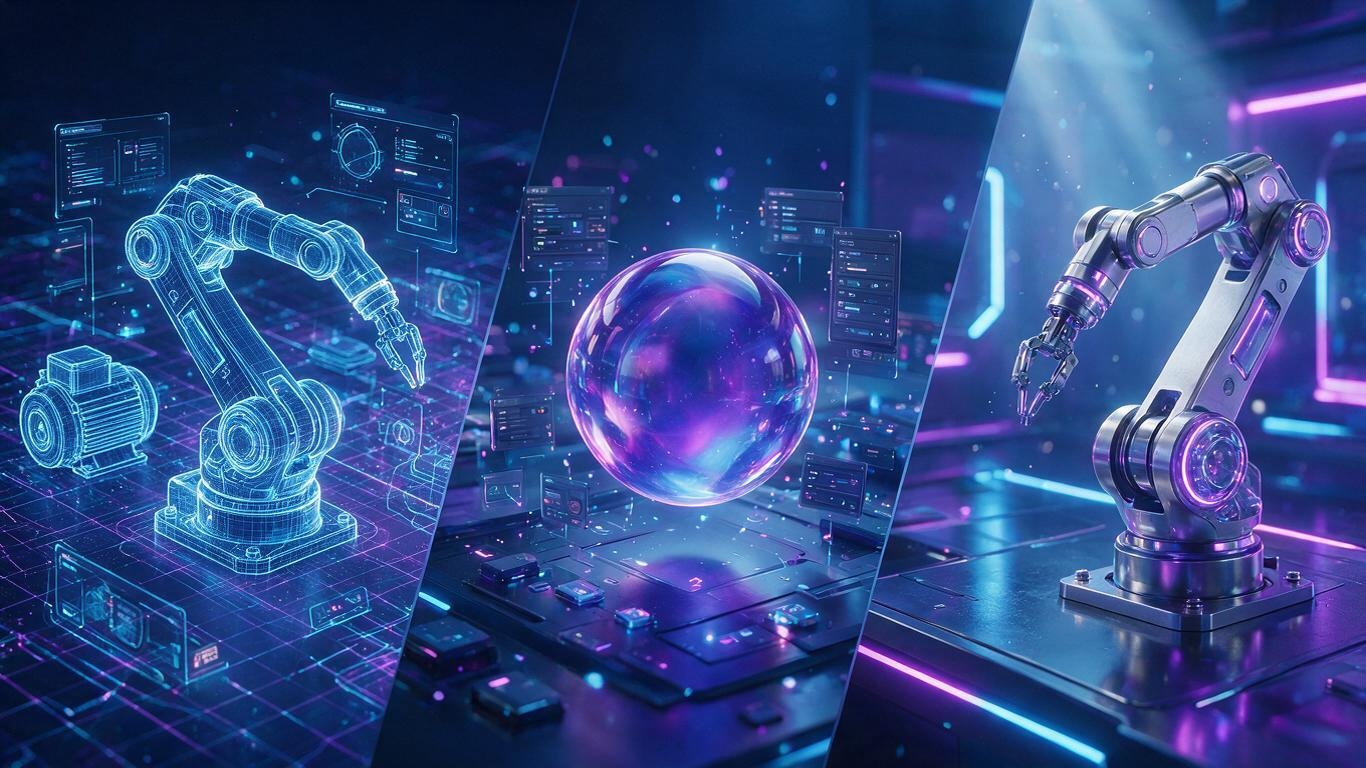
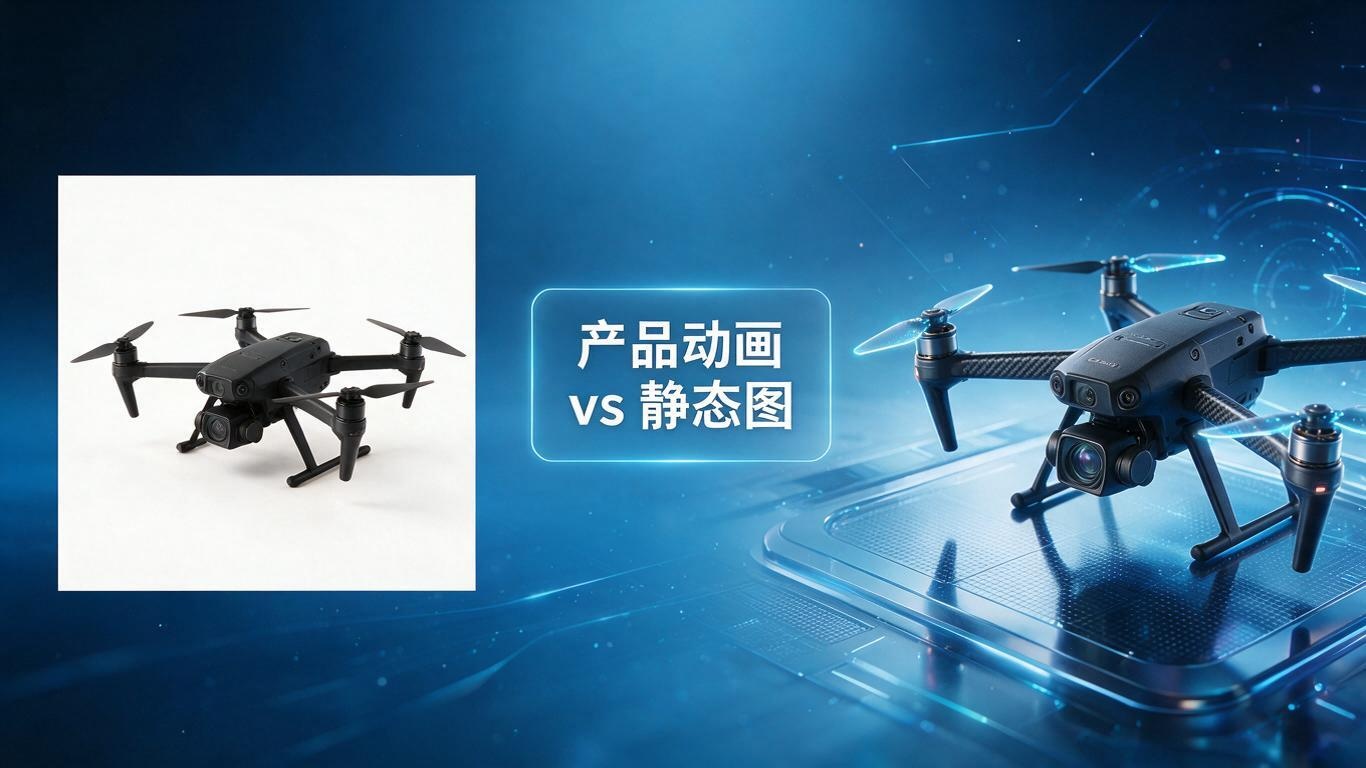
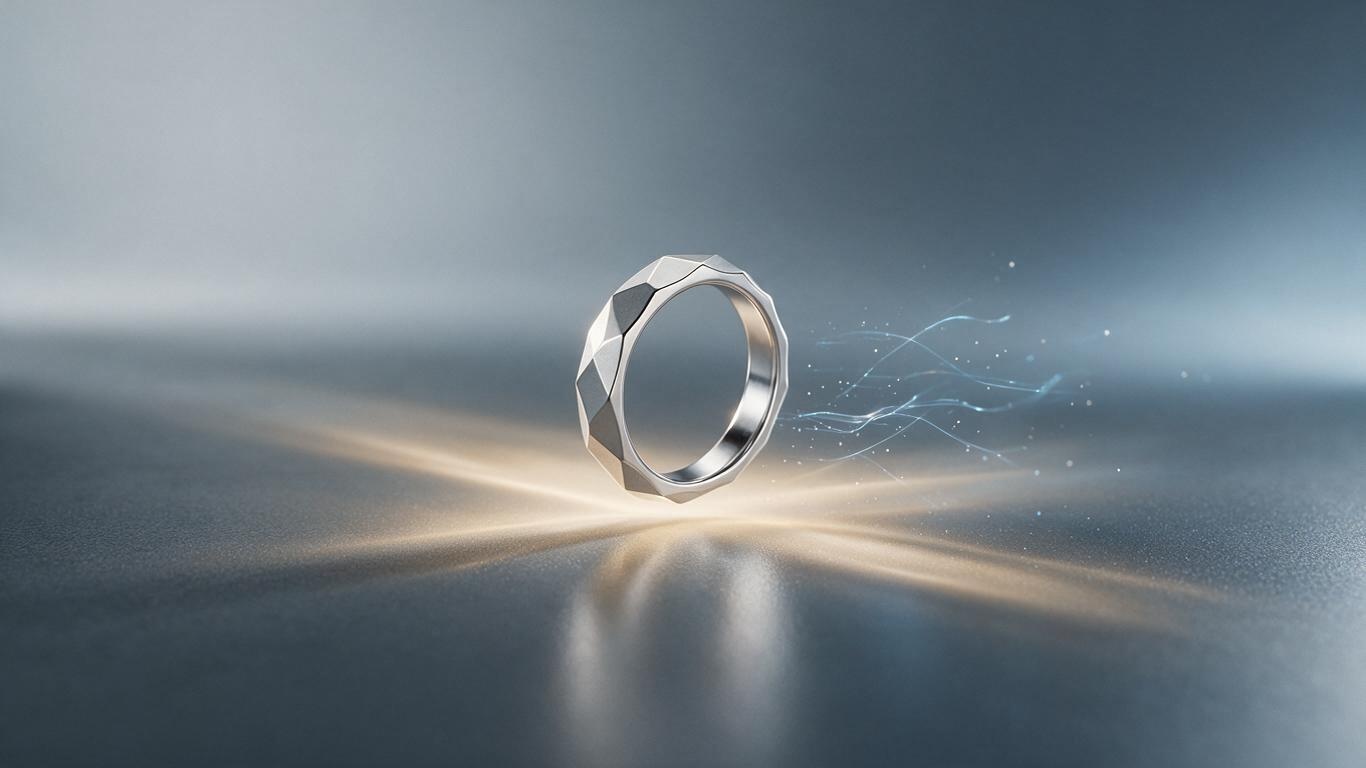
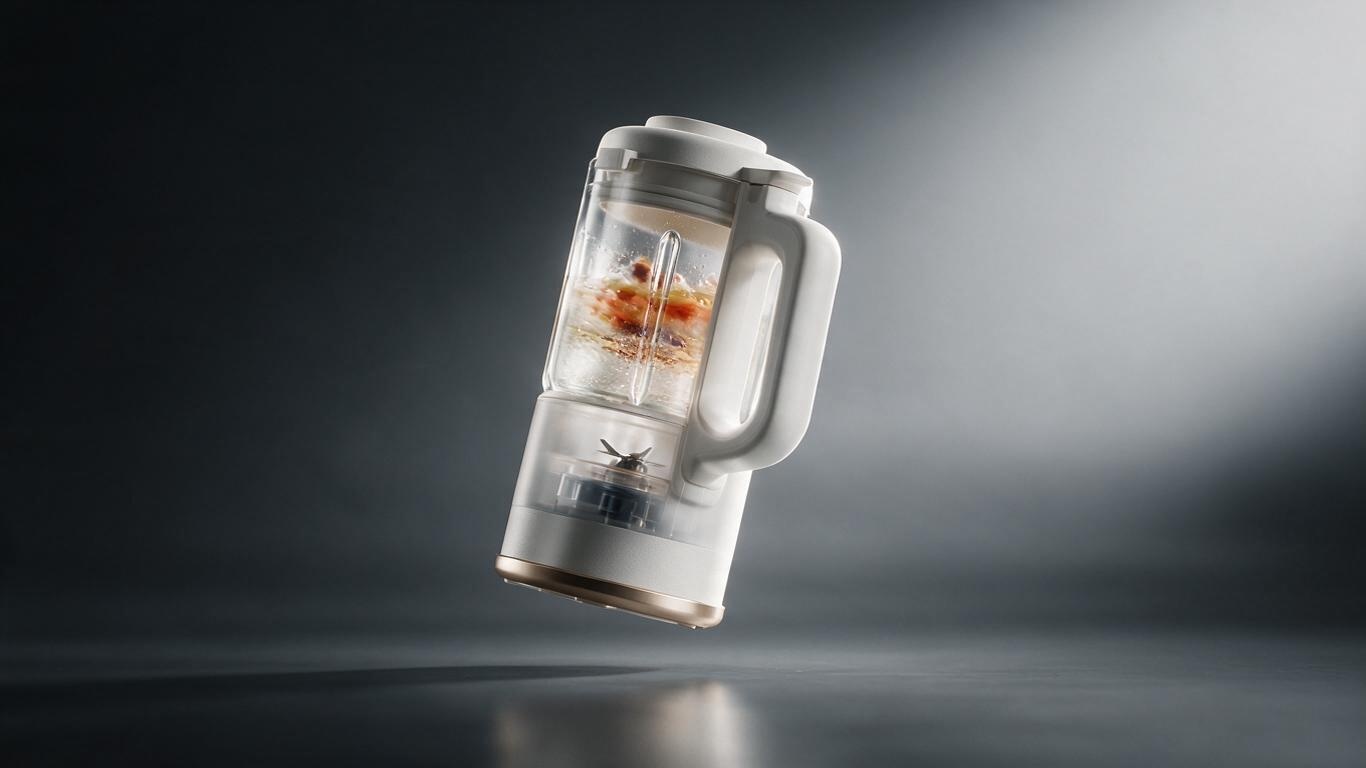
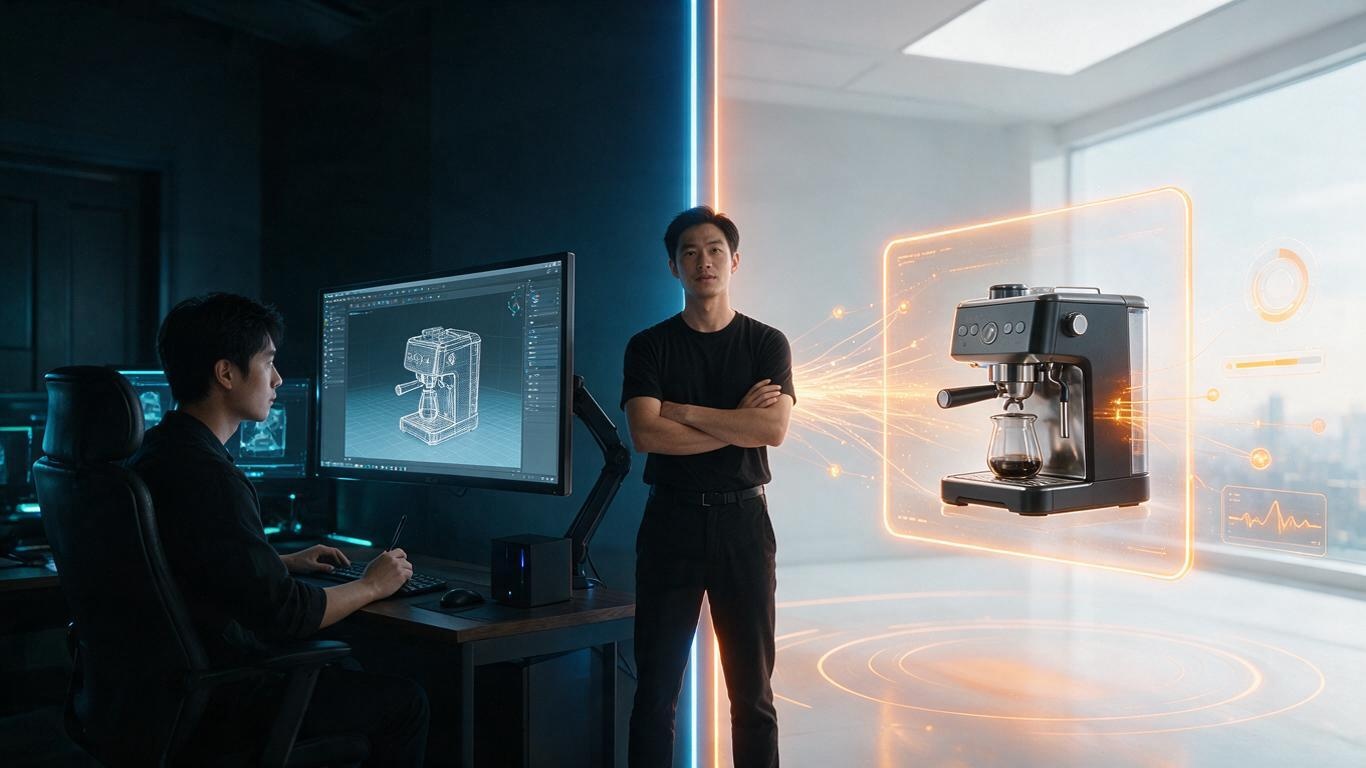
Let's frame the concepts first: product animation is defined by purpose – any animation video that serves product display and sales. 3D animation is defined by technique – animation generated with 3D computer graphics. One is the use case, the other is the tool. There is a natural overlap: 3D product animation. When you search for the difference between product animation and 3D animation, what you probably want to know is how traditional 3D production compares with AI+3D product animation. We touched on this in the workflow comparison between live action and AI+3D; today, let's go deeper into traditional 3D vs AI+3D.
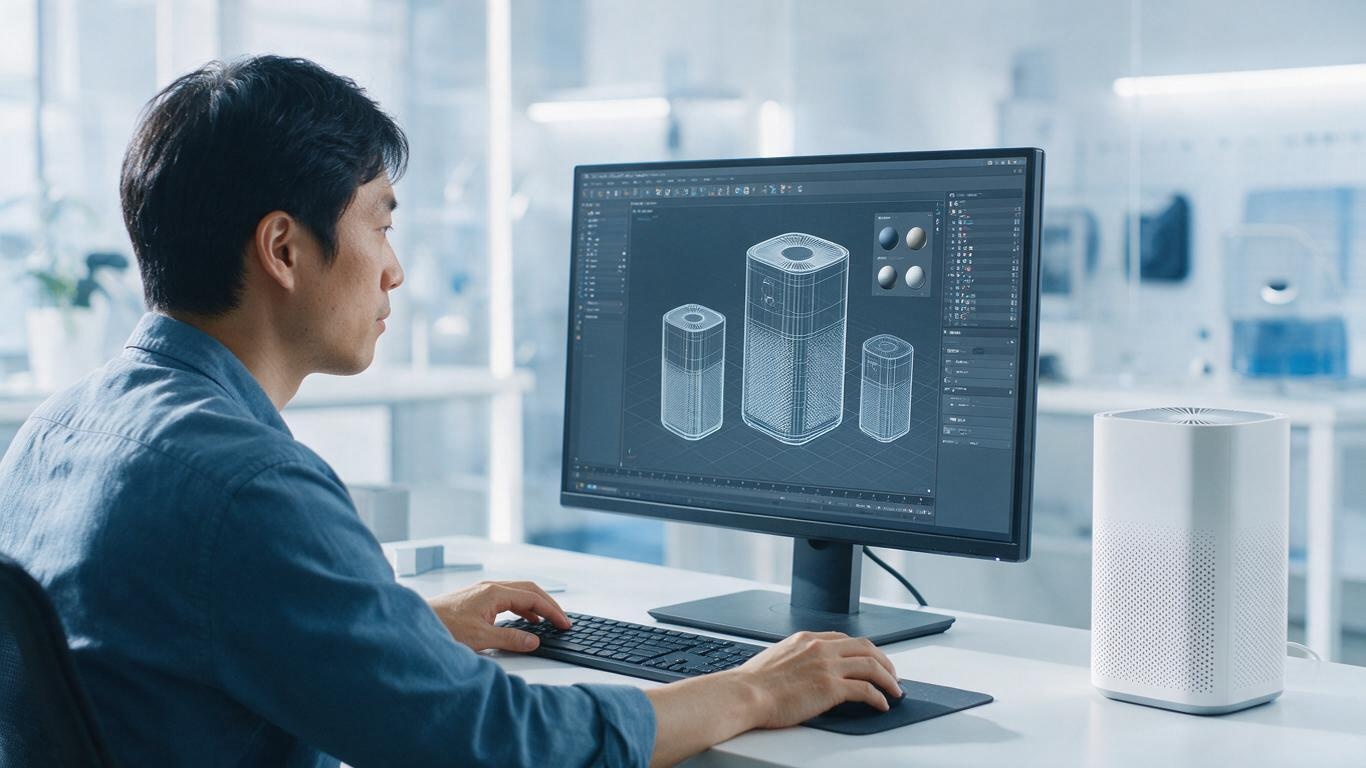
Traditional 3D product animation used to be labor-intensive and time-heavy. Modelers build models, riggers set up bones, animators keyframe, lighting artists light, render farms render frame by frame... a 20-second video usually takes 3 to 4 weeks to deliver. Every step has a minimum amount of hand-crafted time because you are paying skilled specialists.
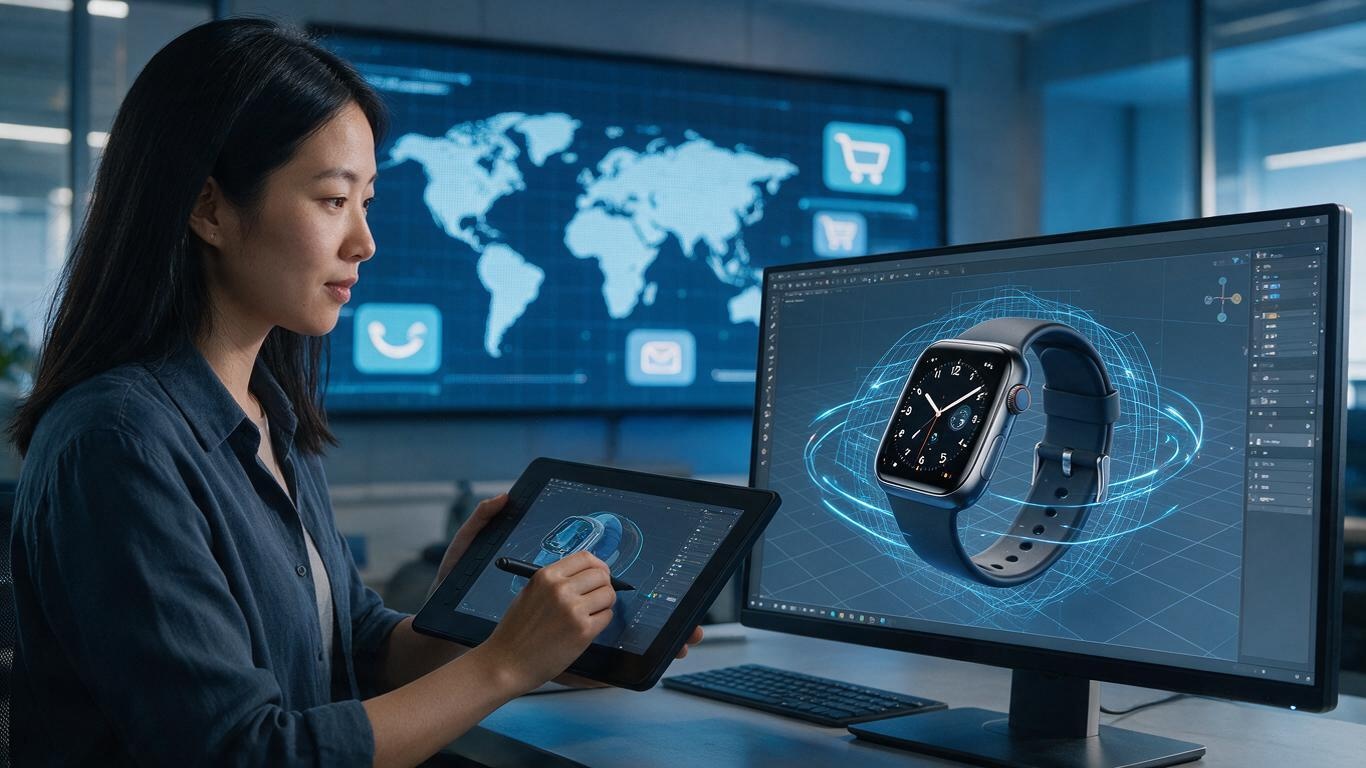
AI+3D product animation turns this into human-AI collaboration: AI generates a base model from a product photo or a text description, automatically unwraps UVs, creates materials, and even drives motion from semantic prompts. The barrier and production time shrink dramatically – a typical product animation can be delivered in 3 to 7 days from brief kickoff.
What sellers really care about: three dimensions
1. Budget. Traditional 3D animations are quoted per shot and per level of detail, usually from $4,000 to $20,000 per video. AI+3D production, with automated workflows, can achieve similar quality product showreels for a fraction of that cost – ideal for high-volume SKUs. 2. Revision speed. A/B testing is normal for cross-border e-commerce. In a traditional pipeline, revising a caption or changing a color may mean re-rendering from scratch. AI+3D assets are parametric; materials, scenes, and motion can be iterated in near real-time. 3. Quality ceiling. Top-tier traditional 3D teams can still produce cinematic visuals, but for typical e-commerce product scenes, AI+3D rendering can cover at least 90% of the requirements – with better consistency and cost efficiency.
Does AI+3D completely replace traditional 3D? Not really. For products involving complex fluids, cloth physics, or high-precision industrial simulation, traditional 3D still has irreplaceable deep customization capabilities. But if you need speed, scalability, and flexible iteration, AI+3D is clearly the smarter card.
How to choose? My advice: reverse-engineer from the use case. For crowdfunding videos and brand TVCs with a healthy budget, a high-end traditional 3D team may be worth it. For Amazon main image videos, independent site product pages, and social media ads – where short-term conversion is the core goal – AI+3D product animation is arguably the best value. Start with one or two products to A/B test, then scale based on data.
If you are still unsure, send us your product images and target channels, and we'll help you figure out the best path. Choosing technology is less important than choosing someone who understands your product – so every frame helps you sell.