Mid-October, Chang'an, Dongguan. Inside a factory that builds precision gearboxes, the air conditioning is running hard. An engineer lifts a sample unit off the test bench, sets it in the middle of the meeting table, and pulls out his phone. The clip a competitor just posted shows gears turning on their own, the housing half-transparent, the internals unfolding layer by layer. He slides the phone across the table and asks: can you make one of these for us?
That question has followed us around Dongguan for six months. People who build things are exacting about being seen. A still frame is not enough. Walking a phone around the sample is not enough either. What they actually need explained is the part nobody can see — how torque travels, where the oil passages run, what the assembly sequence looks like, at which angle the clip finally bites. Ask anyone here about 3D animation production Dongguan and this is the real brief: translate the invisible into a film that a buyer, a distributor, or an overseas visitor can follow in thirty seconds.
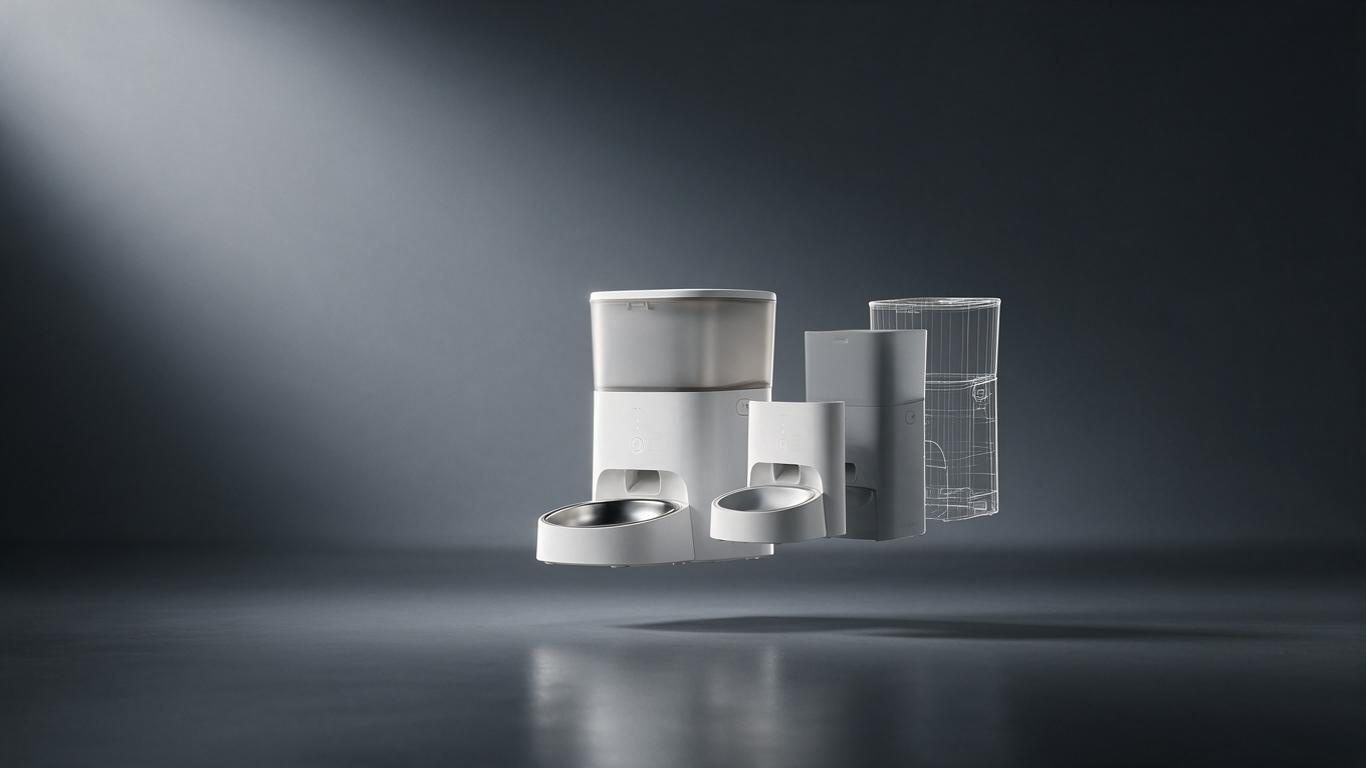
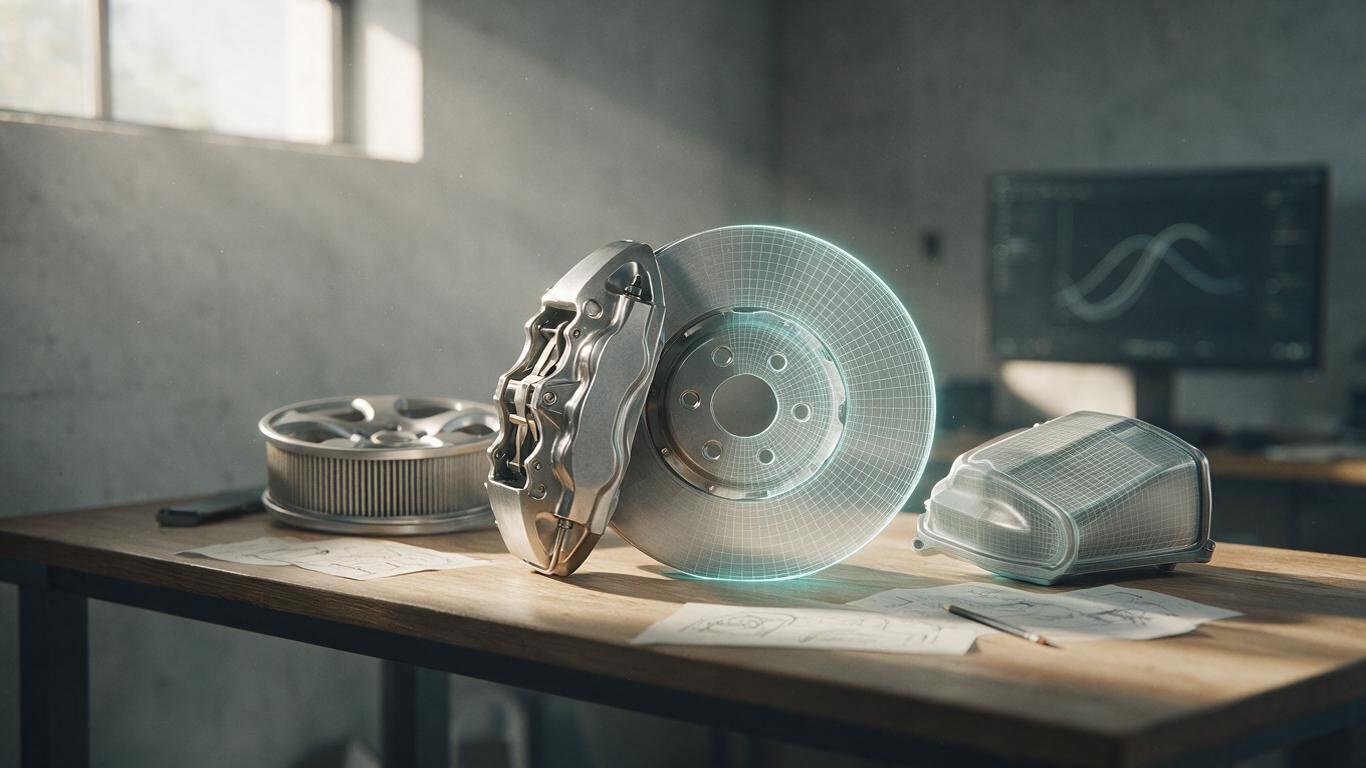
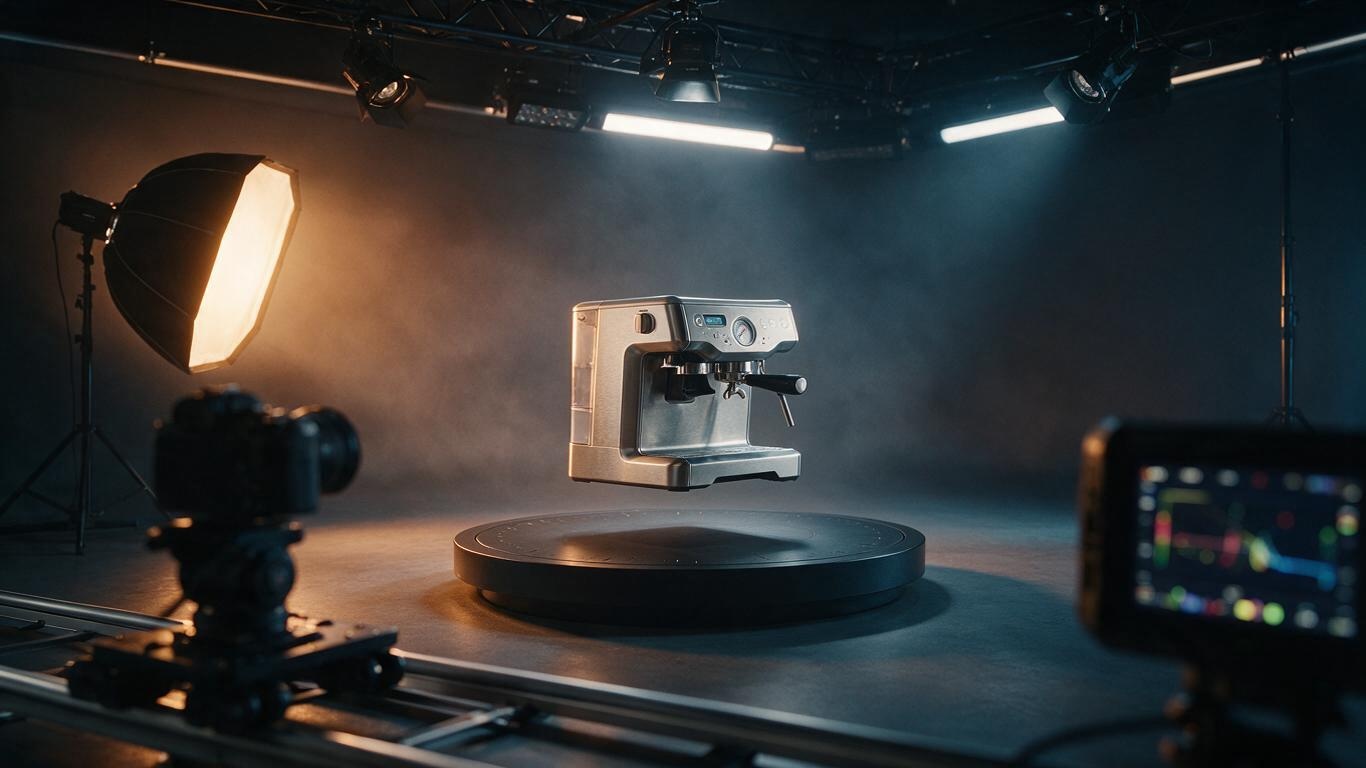
So let us be specific about what we do. We run AI 3D animation production, not the kind that stops at a pretty hero shot. Models come in from engineering drawings or a scan of the physical unit. AI handles the labour-heavy middle — material generation, motion previs, fast multi-version output. People handle judgement: which frame should hold, which structure must be cut open, which line of voiceover is actually noise. That combination is why our work here drifted from e-commerce hero videos toward something closer to a product manual that happens to move.
Three local samples, three different kinds of confusion
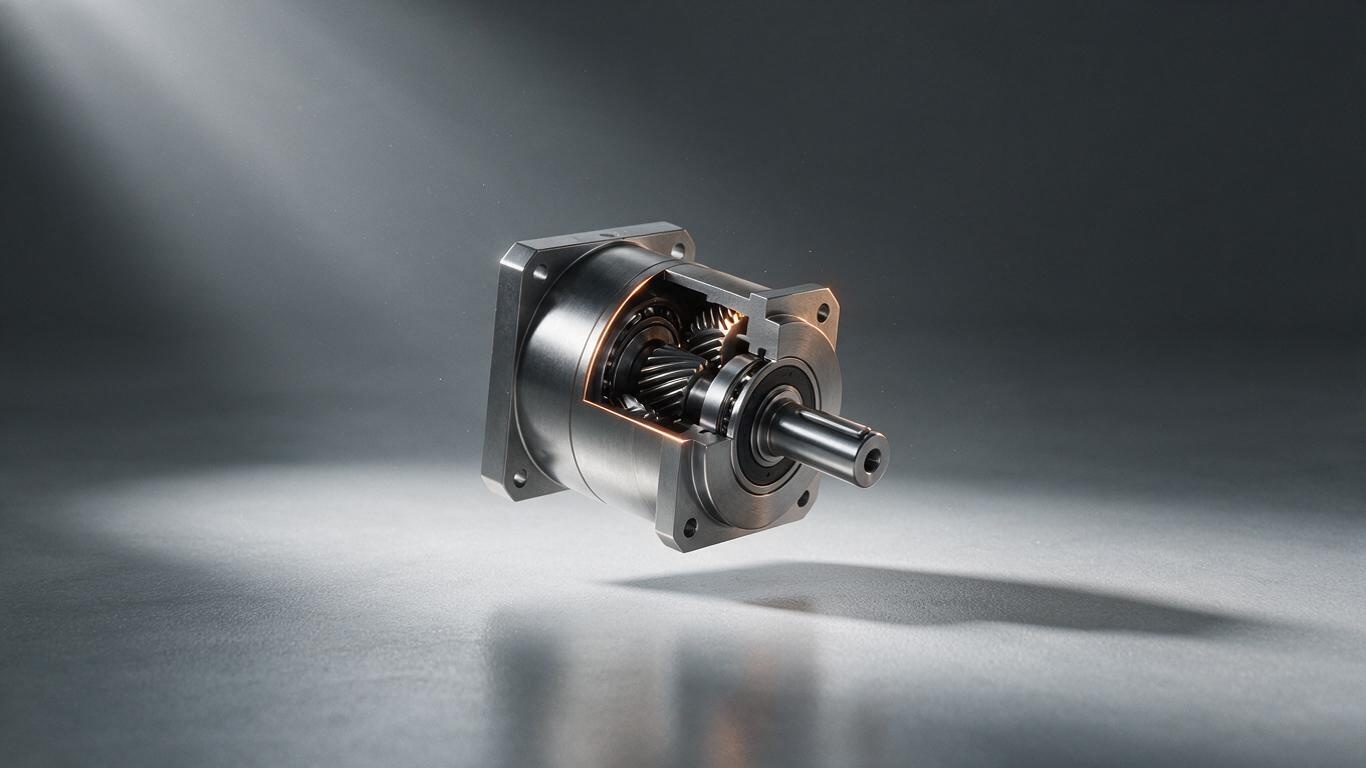
The first was that precision gearbox. The client was heading to a trade fair in Germany with no room for a test rig, so a single screen had to prove why their backlash was smaller. We cut the housing open, let the gear set mesh inside a translucent shell, and pushed a slow close-up until the contact point filled the frame. Three seconds, and the difference is obvious. The structural logic matches what we laid out in the full breakdown of machinery product animation — only this time we cut deeper.
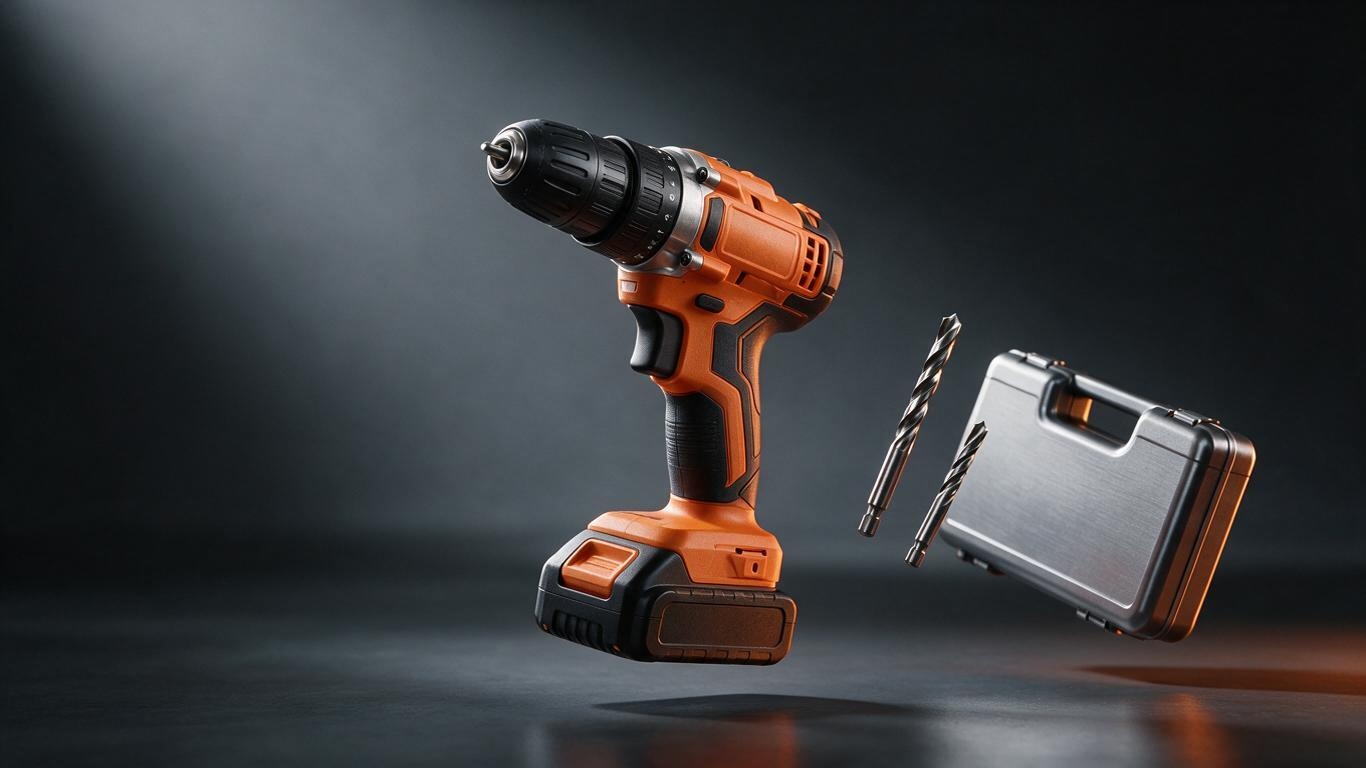
The second was a power tool battery pack. The client's line was “our cell layout is the tightest in the category”, which nobody believes on a product page. We built an exploded view, layers flying out and locking back together, landing on one conclusion: 12% more cells in the same volume. The third was a cabinet-scale energy storage unit — over three metres tall, impossible to film inside — so we built a miniature in 3D and turned the airflow path into streaming particle lines. Cooling became something you could watch.
AI does not cut cost first. It cuts the back-and-forth.
Most people assume AI just makes frames come out faster. In our pipeline, what it really removes is the round trip. Changing a surface used to mean waiting half a day; notes taken in a meeting were seen the next morning. Now three or four versions sit side by side on the timeline and get swapped live. Last month a client's director stopped on the third version and said the blue was wrong — they wanted the blue of machine-tool paint. Ten minutes later the new render was on the wall.
That immediacy matters with industrial clients. The person deciding is rarely a designer; it is a chief engineer or a sales director. They cannot articulate a hue shift, but they can spot “that's not our product” instantly. Fast iteration is what lets their judgement actually get used. We call it turning the meeting room into a preview window, and the scheduling approach described in our 30 days, 12 animations record grew out of exactly that habit.
Local is not an address
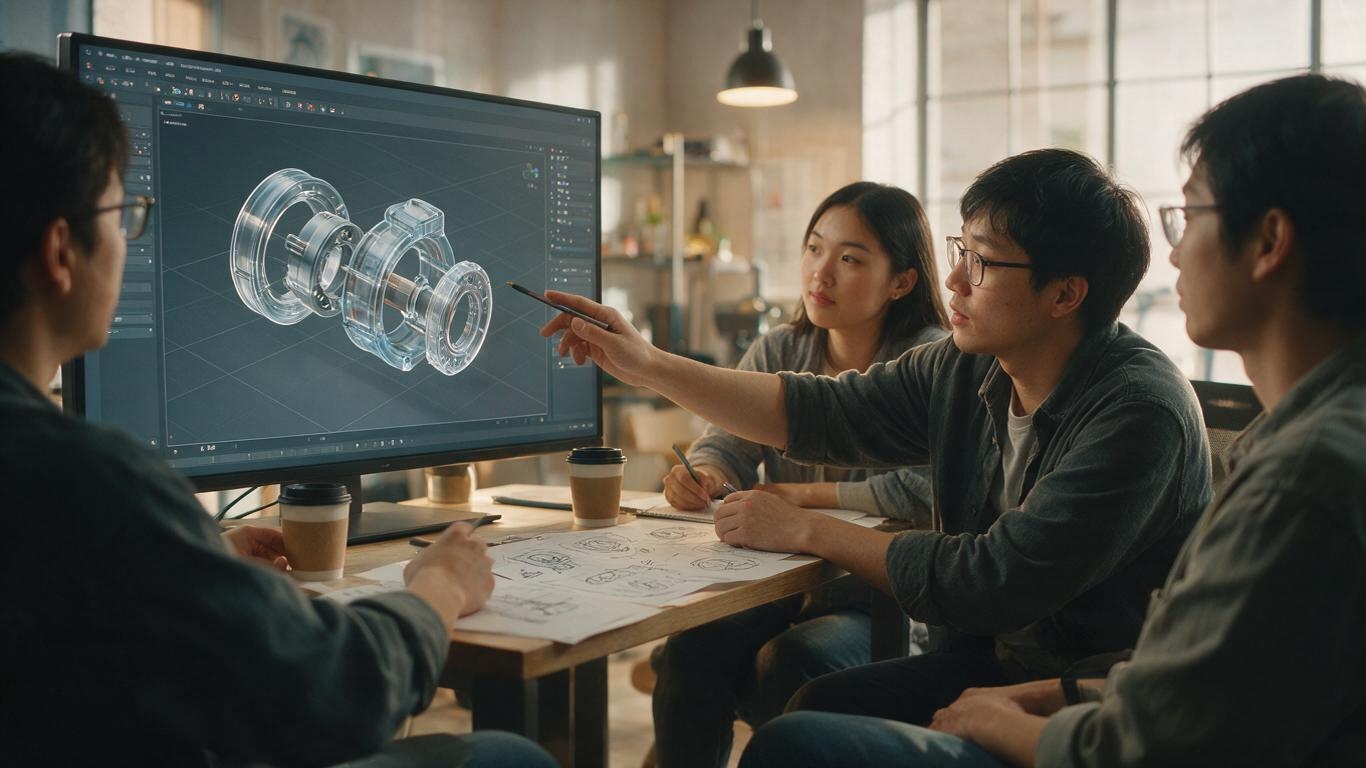
People ask why they should work with a local studio when there are plenty of options. Our answer is that local is not a business licence address, it is response time. A sample can be on our bench two hours after a call. An engineer sitting next to us explaining a structure beats ten emails. Once, to explain the internal channel of a valve body, a veteran technician drew a cross-section on paper at our desk with a marker. We modelled straight from his drawing and got it right the first time.
Vendor selection has its own methodology — we covered the hard criteria in how brands choose an AI 3D animation vendor, so I will not repeat it here. One addition: if you are in Dongguan, go look at the desk. Not at how expensive the hardware is, but at whether the team has the patience to take your sample apart and put it back together.
What is next
For Q4 we opened an extra local delivery slot, reserved for industrial clients who need their sample seen in person and their working principle explained face to face. If you have a machine nobody can pitch, or a structural drawing your distributors keep questioning, contact us and start with the hard part. Twenty minutes of conversation usually tells us both how the film should be made.