
10 p.m. in Nancheng, Dongguan — one floor still lit
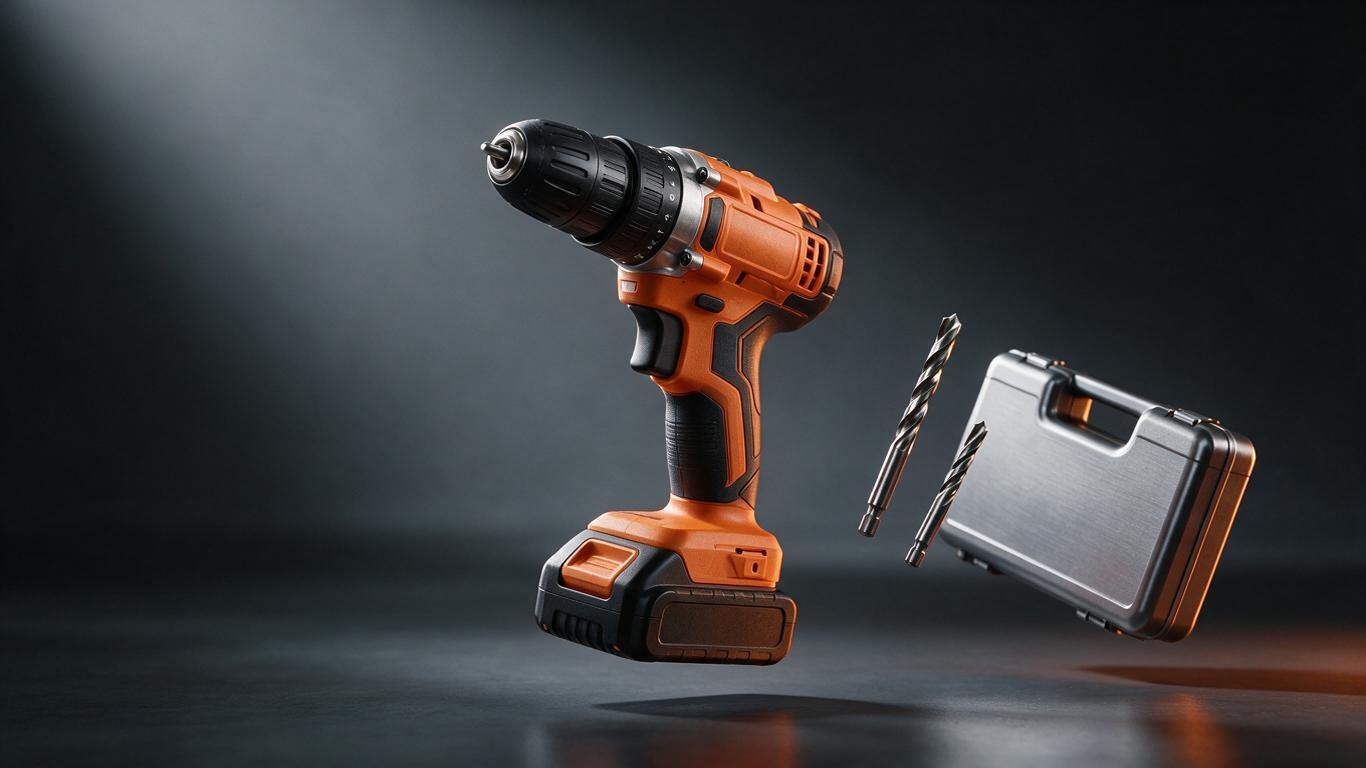
At ten o'clock on the evening of September 26, the twelfth floor of an office building in Nancheng, Dongguan was still bright. On the meeting table sat a cordless power tool a client had driven over from Chang'an that afternoon, with a very direct brief: a 15-second product animation in three days, to go live on overseas channels by the end of the month. By midnight the tool had been broken into three parts — housing, motor, battery pack — scanned, blocked out, and textured. The first preview went out at noon the next day. The client changed two words.
That is a very ordinary evening for us. We are a 3D animation company based in Dongguan, fewer than twenty people, doing something specific: turning a client's physical product into something that can spin, open up, and be understood on screen.
This post is not a methodology piece. It is about us — how a small 3D animation company in Dongguan grew over three years, and what being here actually changes for our clients.
What the word "Dongguan" means for product animation
The worst thing that can happen in 3D product animation is never seeing the real object. Reference photos found online mean guessing proportions, chasing color shifts, and inventing structure. The result looks "close" but wrong. Industrial products make this obvious: the damping feel of a hinge, the way anodized aluminum catches side light, the faint parting line on an injection-molded shell — none of it survives a photo, yet all of it is what buyers use to judge whether the price is fair.
In Dongguan, that problem largely disappears. Hardware and molds in Chang'an, apparel trims in Humen, furniture in Houjie, consumer electronics around Songshan Lake, machinery in Dalingshan — within a thirty-minute drive you can find a real sample of almost any product category. Clients often call in the morning and show up after lunch with the sample still bearing its shipping label.
Then there is revision. In remote projects, phrases like "a little more to the left" or "a shade darker" eat up half the communication budget and often take three rounds to land. With the client sitting next to you, pointing at the screen, it takes thirty seconds. That is not magic — it is collaboration radius.
Three years: from one GPU to a content line
In 2023 there were three of us and two machines, shipping four films a month. Modeling, texturing, animation and editing rotated between the same people, and the scariest sentence a client could say was "add an exploded view of the internals."
In 2024 AI tools entered the pipeline for real. The path we documented in our breakdown of the AI 3D modeling workflow became our default: blocking, material reference and motion drafts all got faster, cutting modeling time on a mid-complexity consumer product from about five days to two. The saved time went into lighting and pacing — because clients do not actually pay for model density, they pay for whether people finish watching.
By 2025 and the first half of 2026 the tempo had changed completely. Our busiest month delivered twelve animations in thirty days, seven of them from one brand sharing a single material library and lighting template. Our busiest half-year shipped 100 films in 187 days. The numbers are not a boast; they are the reason we can quote a delivery date and mean it.
From factory floor to screen: what actually happens
The biggest difference between us and a fully remote studio is the live-action reference pass at the start. Before production begins, we spend about half an hour shooting in the client's workshop or showroom: where highlights land in a real environment, how a hand grips the product, how far a hinge actually opens. AI cannot invent those — they have to be captured.
Then we go into 3D: scan or build the model, lay in materials, light it, animate it, and finish with voiceover and subtitles. We broke this "live-action + AI + 3D" hybrid down in our comparison of live-action and AI+3D workflows, and the appeal is simple: you keep the realism without building a set for a single shot.
About pricing — we would rather say it out loud
The most common misunderstanding in this industry is treating "a 15-second video" as a unit of measure. A 15-second animation of a product rotating on a plain background and one requiring a machinery unit to unfold layer by layer differ by roughly five times the work. Our public reference ranges look like this: a 15-second e-commerce hero video runs about RMB 3,000–8,000; a 30-second product demo with exploded views, subtitles and voiceover runs RMB 8,000–25,000; industrial and precision machinery animations, which carry heavy modeling loads, usually land between RMB 25,000 and 80,000 or above.
What actually drives the number is four things: model complexity, shot count, whether live-action is involved, and revision rounds. If a vendor will only give you one lump sum and refuses a line-item quote, expect change orders later. We wrote that checklist up in the four dimensions brands use to pick an AI+3D animation vendor — feel free to walk through it with any studio you talk to.
How a small team keeps up
We are under twenty people, but the roles are more specific than you would expect: modelers own structure and proportion, a materials and lighting artist owns texture and mood, animators own pacing and camera, and one person does nothing but tune AI prompts and parameters — a job title that did not exist three years ago. Two more handle voiceover and audio, which is what surprises most clients when they hear the first cut.
Headcount does not create speed; process does. What we care about most is asset accumulation: common materials by industry, lighting setups, camera moves, all stored as templates. The next client in the same category starts further ahead than the last. After three years, that library is the real asset.
Three things we want to do next
- Expand the studio floor so full-size machinery can be shot on site instead of shipped in pieces.
- Grow the render queue so three-day turnaround becomes standard rather than an exception.
- Open the studio for live review sessions — clients can sit with us and approve revisions as they render.
If you are in Dongguan, come by
Dongguan is a city that is used to making things, and product animation is, in the end, a making job. Send a sample over and you will have a block-out preview the same day. Drop by with your product and half an hour of talking beats ten emails. Whether you want to discuss a project, watch previous work, or simply verify that this local team actually exists — just contact us.