7:40 a.m. — measure the object before you touch the software
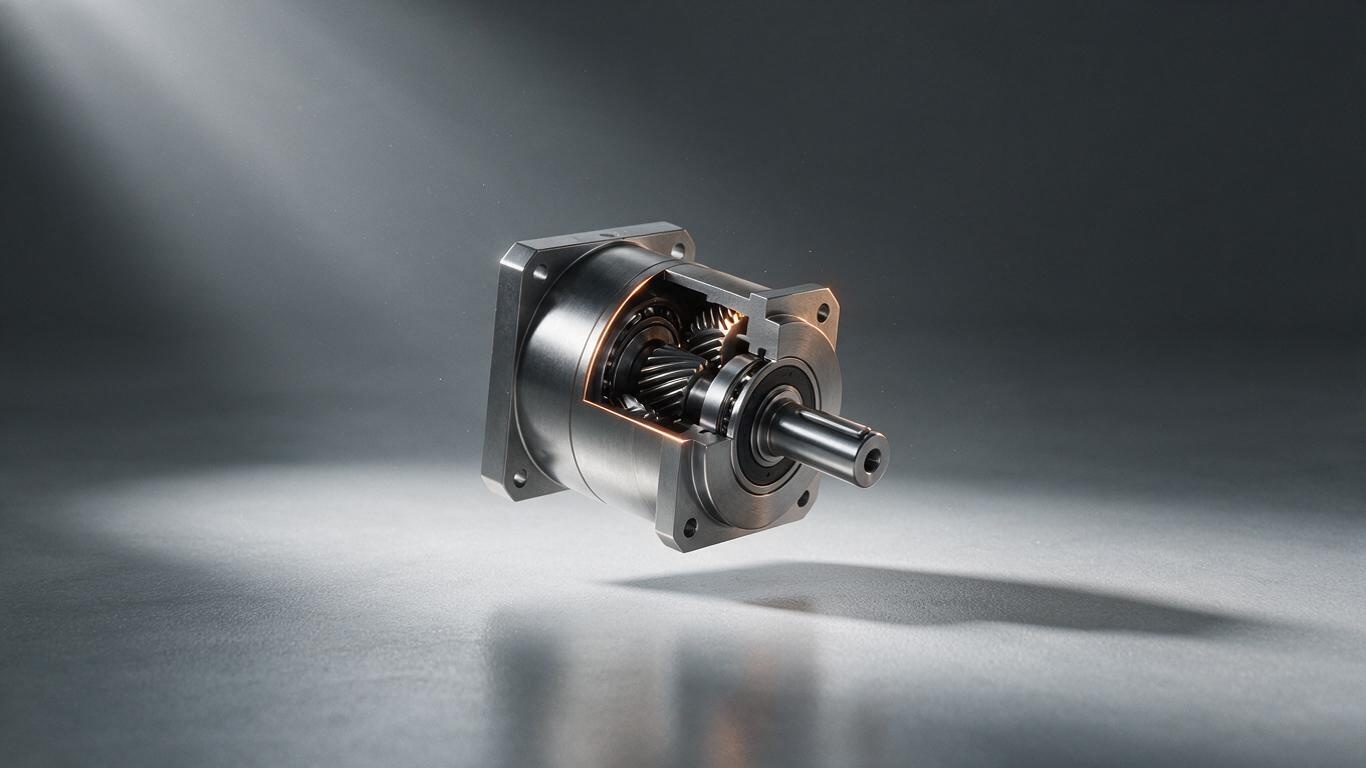
At 7:40 in the morning, only half the lights are on in a studio in Nancheng, Dongguan. A servo motor sits on the long table — the client drove it over from Chang'an the night before. Our modeling lead does not open any software. He opens a caliper.
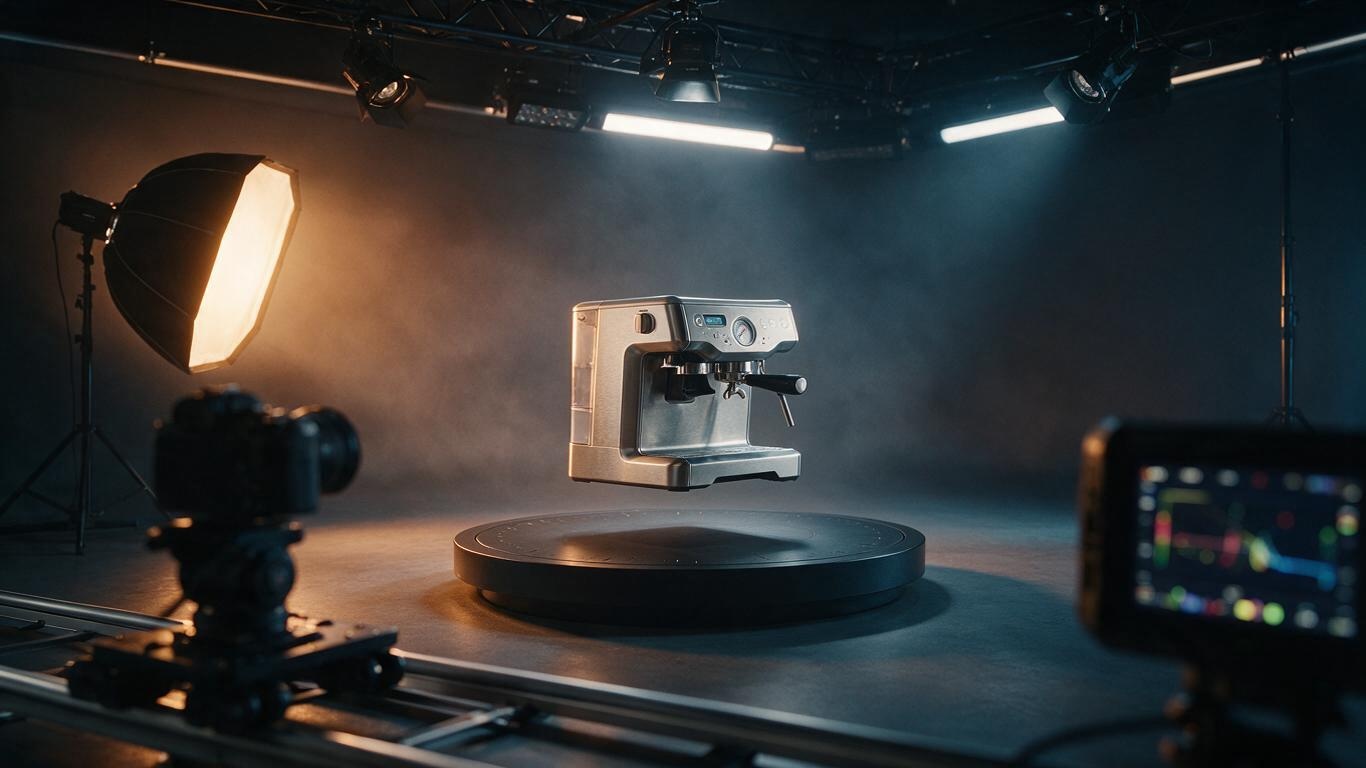
That is the most ordinary opening scene at a 3D animation company Dongguan, and it explains most of what people get wrong about this craft. The screen comes later. First you measure, photograph the structure, and note the exact angle at which brushed aluminum turns hard and cold. Only then does software take over. Within twenty minutes the motor has been photographed a hundred times.
We run 3D animation production Dongguan-style: physical sample first, pixels second. It sounds old-fashioned in a year when anyone can type a prompt and get a model back in seconds. It isn't. The model is the easy half. Knowing whether the screw is threaded the wrong way is the hard half.
Why clients drive their samples over
Dongguan sits in an unusual spot. Within an hour's drive you have Shenzhen, Guangzhou, Foshan and Huizhou — one of the densest manufacturing belts on earth. Hardware, appliances, machinery, energy storage: many of these clients don't courier a prototype, they carry it in, sit down with tea, and explain the assembly by hand.
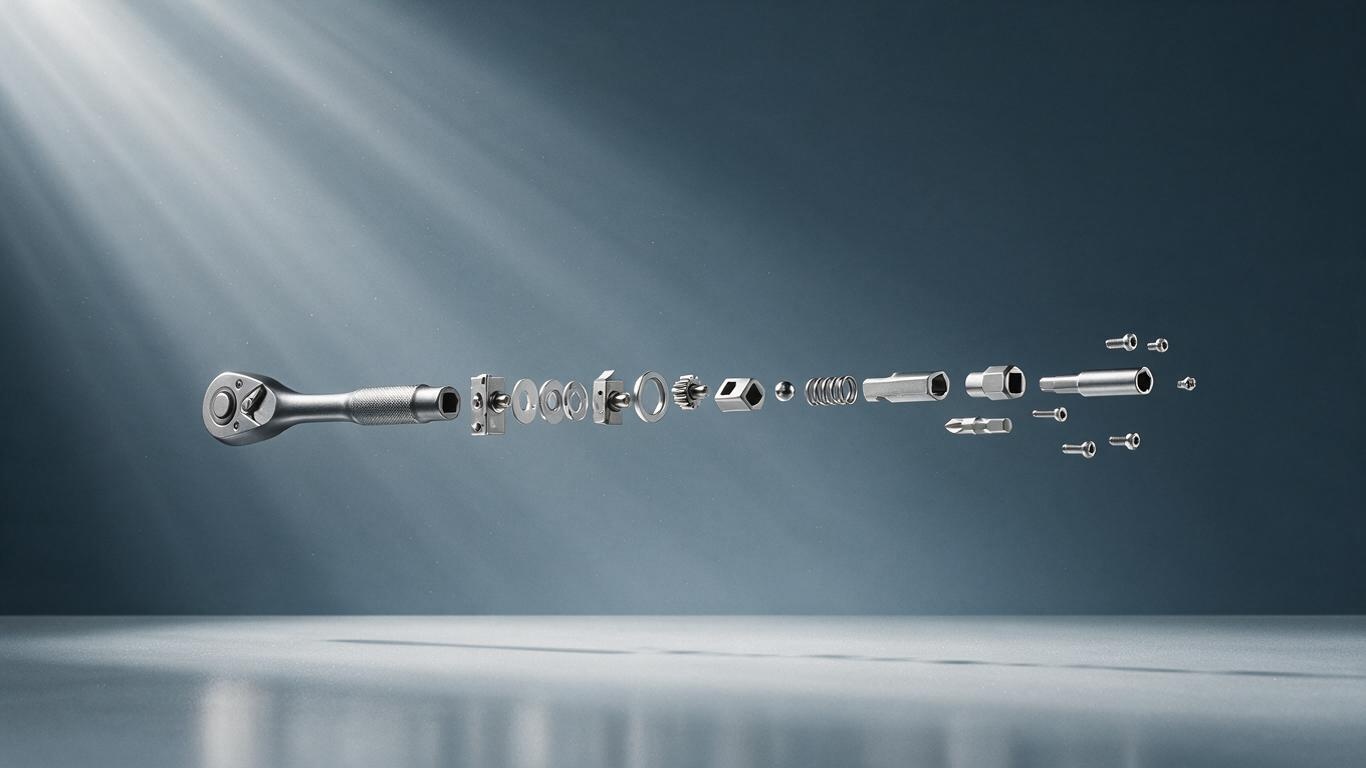
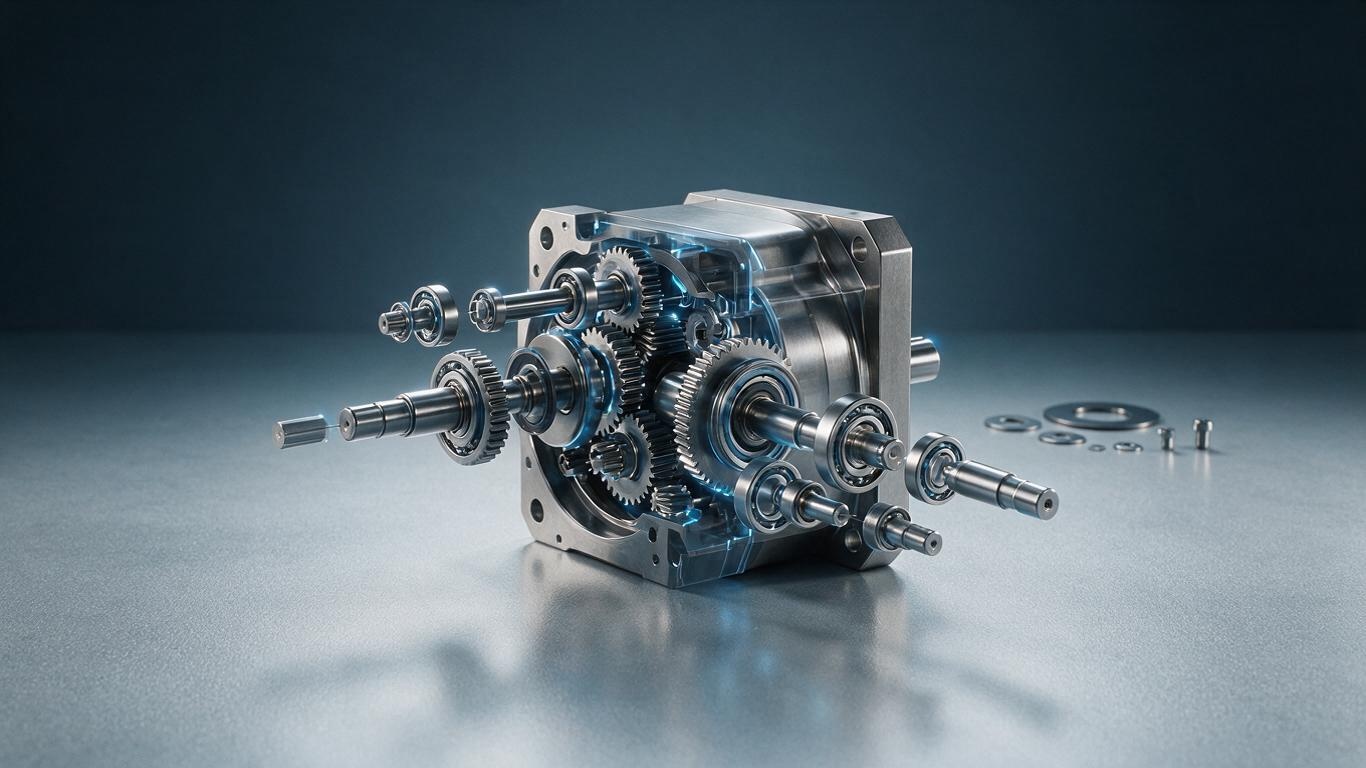
That matters more than it sounds. Product animation rarely fails because the render is ugly. It fails because it is wrong — reversed threads, misplaced clips, an exploded view that ignores how the part is actually put together. An engineer spots it in two seconds. With the sample on the table, most of those errors die before they are born. We built a full teardown for a precision CNC machine once (how a CNC machine animation was made); the client spent an entire afternoon with drawings and hardware in our meeting room, just to confirm how each guide rail moves.
The rhythm of a day: models in the morning, shots in the afternoon
Mornings are for feeding the model. Scanning, measuring, cleaning topology, pushing an AI-generated base mesh to a usable precision. Honest note: AI lowered the barrier to modeling but not the barrier to judgment. It gives you a starting point; proportion, chamfers and material separation still get fixed frame by frame by a human. We documented that pipeline in the AI 3D modeling workflow — the short version is that AI handles speed and people handle correctness.
Afternoons are for shots. Industrial animation has a quirk: viewers are not persuaded by beauty, they are persuaded by comprehension. How a planetary gear set rotates, how force travels, where the oil channel runs — if that isn't clear, a gorgeous frame is still a wasted frame. Which is why we argue with client engineers during storyboard reviews, revise, and argue again. The handshake on delivery day usually grew out of those arguments.
After 7 p.m. the render queue takes over. A dozen machines spin up and the fans get louder than the people. Compute stopped being the bottleneck years ago; the real constraint is how many films ship this week.
What a local team actually saves you
Brands tend to look outward when choosing a vendor, assuming a bigger city or an overseas studio is automatically better. From where we sit, a local team saves three concrete things: communication cost, rework cost, time. The classic remote exchange goes like this — the client says "that angle is wrong," the vendor says "could you describe it more precisely," and three days evaporate. In Dongguan, the answer is usually "bring it over and we'll look together."
Local isn't a magic word, though. Camera language, material rendering, pacing — none of that is geographic, all of it is investment. How a fifteen-person team grew under project pressure is written up in a look inside the Artsky studio.
Three questions before you sign
First, check whether the portfolio contains your product category — a beautiful film for a different industry proves very little. Second, ask whether the model comes from a physical sample or only from drawings; that single answer decides accuracy. Third, make them walk you through the process end to end. If they can't explain it, they probably can't execute it either. We put together four dimensions brands use to pick an AI + 3D vendor — use it as a checklist.
If you have a product sitting on a shelf and no idea how to show it, and you happen to be in the Pearl River Delta, bring it in. Or just contact us first. After seeing the sample, we can usually tell you the same day whether it's worth animating.