At 7:40 on a Tuesday morning, three of us stood at the gate of a hand-tool factory in Chang'an, Dongguan — two laptops, one tripod, half a case of bottled water. The plant manager looked at our gear and asked, "You people make animation. What are you doing in my workshop?"
Fair question. Most people picture 3D animation production as an air-conditioned room: model, light, render, done — nothing to do with oil, noise and metal shavings. We've come to believe the opposite. What makes an industrial product film believable usually isn't the hours in front of the screen; it's the half-day on the floor. For 3d animation production in Dongguan, our real advantage isn't hardware — it's geography. Most of our clients' production lines sit less than forty minutes from our desks.
Dongguan has one of the densest manufacturing clusters anywhere. Hardware and moulds in Chang'an, garment trims in Humen, precision electronics around Songshan Lake — you can find a dozen suppliers on a single street. What that density means for 3d animation production is simple: before we open a single engineering file, we can take the product apart for real, instead of guessing the structure, the assembly order, or whether a part is die-cast or machined from a handful of photos.
What the workshop shows that CAD doesn't
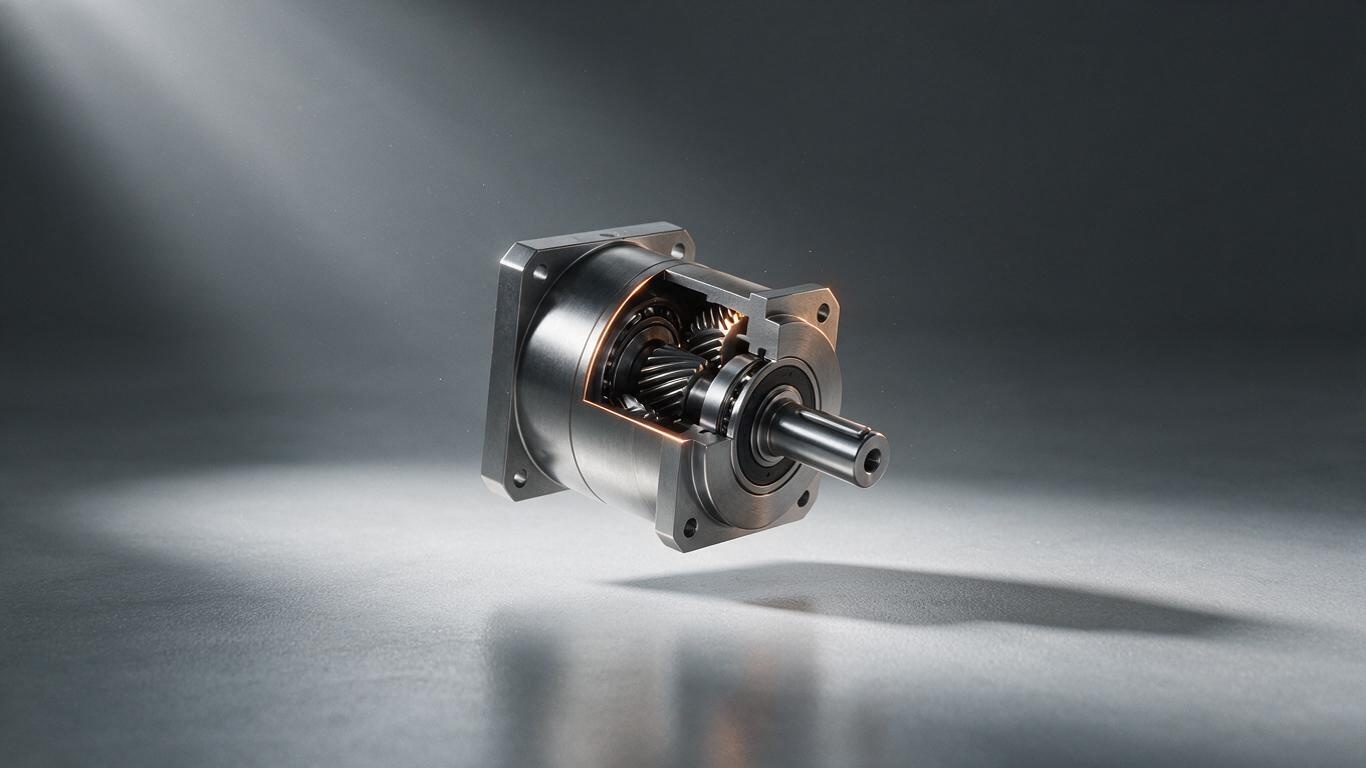
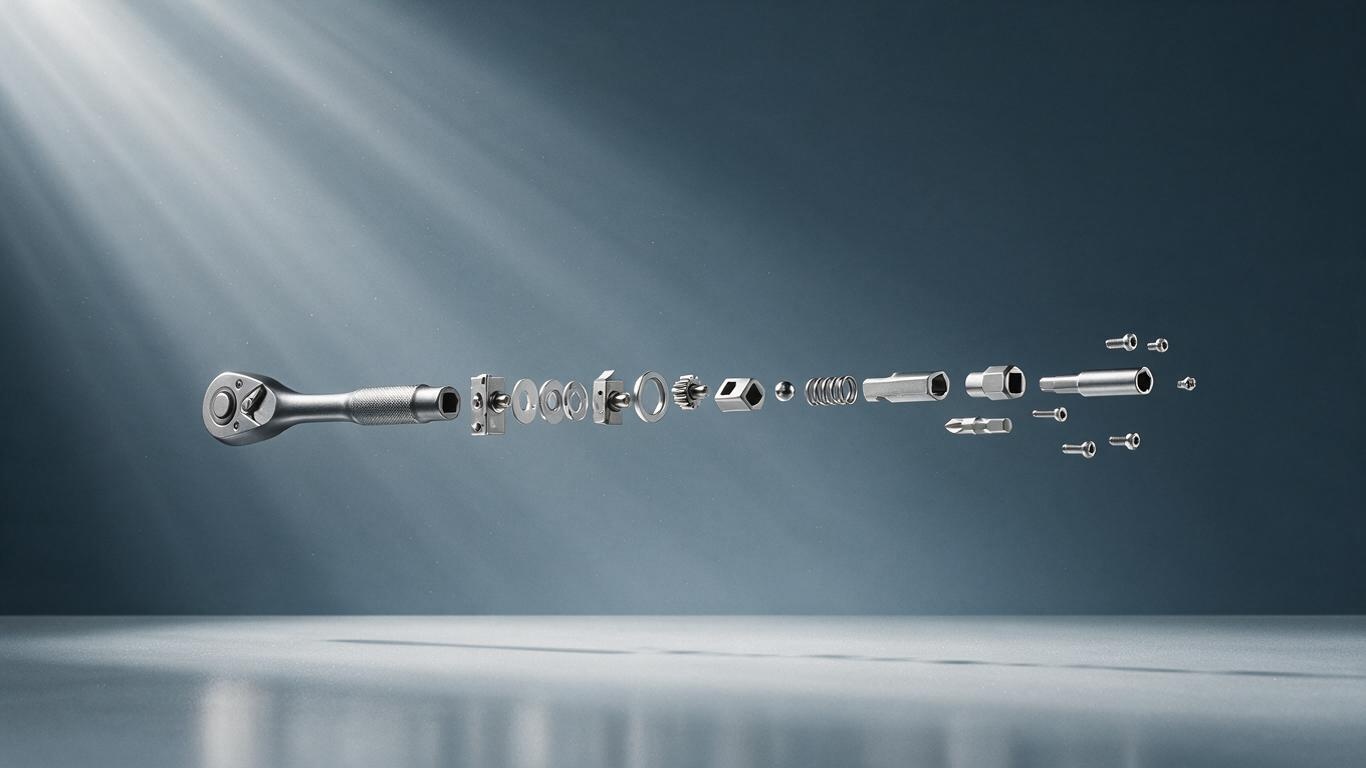
Last month we produced a film for a client making ratchet wrenches. The selling point is the internal pawl mechanism, so the video has to cut the tool open and explain the 72-tooth engagement. The CAD was complete — dimensions, tolerances, assembly relations, nothing missing. But drawings don't tell you how many frames the "click" should hold in slow motion, the one your fingers feel when the pawl springs back. They also don't tell you whether the free-spin damping is even, or suddenly goes light at a certain angle. You only get that instinct by stripping three wrenches on a bench and turning them in your hand a dozen times.
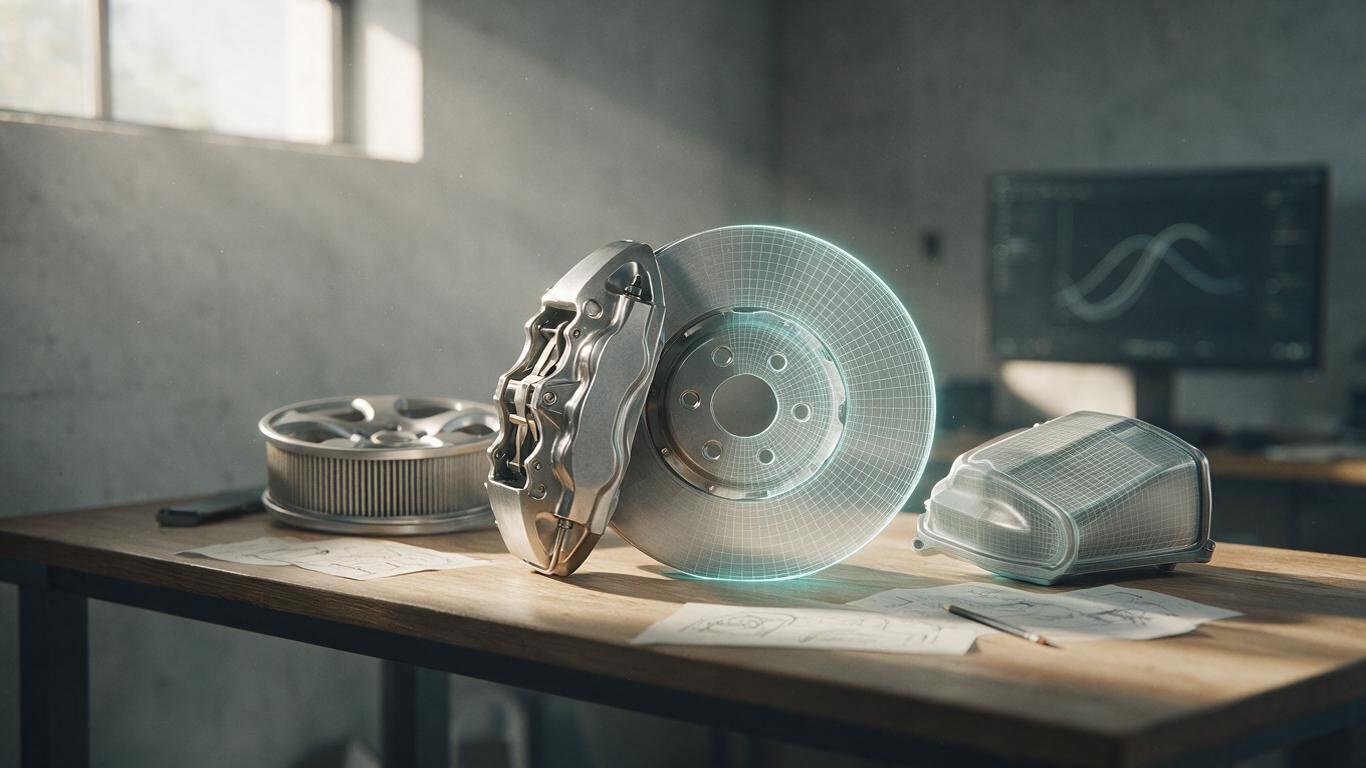
Then there's a quieter trap: surface finish. The drawing says "matte black". In the workshop you find out it's actually two coats, with a gradient at the edges and a warmer hue. Model straight matte black and the result reads like a plastic toy. Our current method is crude but works — shoot a set of reference photos from multiple angles on the factory floor, then match them back at the desk.
Translating observations into animation language
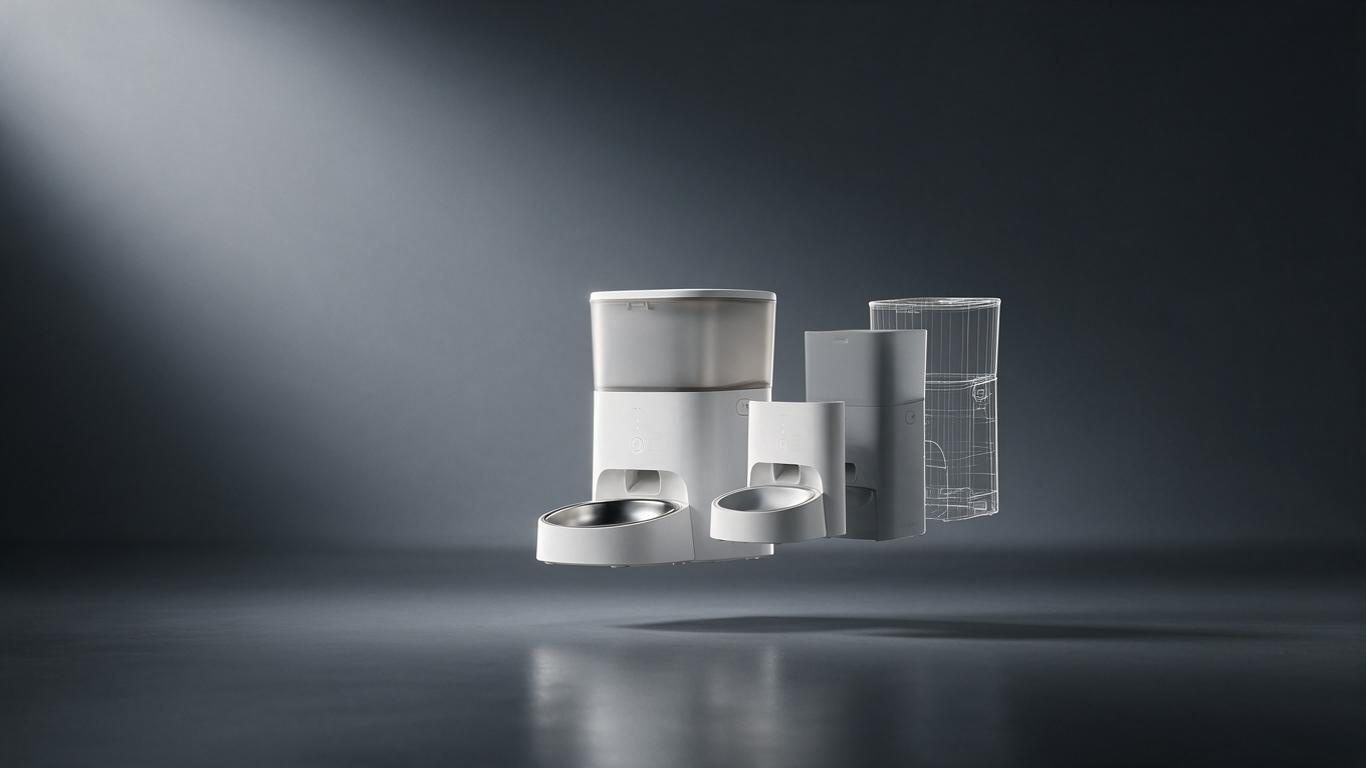
Only after the visit does the screen work begin. Structural information becomes a shot plan: translucent shells so the internals stay visible, key parts exploding outward along the reverse of the assembly direction, section cuts with highlighted edges so the audience immediately sees where the value is. Along the way, our AI-generated 3D modeling workflow removes most of the repetitive build time, which lets people spend their attention on decisions a machine still can't make — where to slow down, where to hold.
The efficiency gap is measurable. One full site visit typically removes three to four rounds of rework. On a 30-second industrial film, that's roughly five to seven working days. Which is why, for enquiries from Dongguan, Shenzhen, Guangzhou, Foshan and Huizhou, our first question isn't about budget — it's "can we get into the workshop?"
Not every project needs it. For FMCG, beauty and food, studio lighting and post-production rhythm matter far more, and the criteria for picking a studio are completely different — see the four dimensions in how brands choose an AI + 3D animation vendor. But whenever mechanical structure, assembly demos or process explanation are involved, a site visit is the highest-return hour you can spend. The section cuts and internal mechanism shots in our machinery equipment animation case only exist because someone stood next to the machine first.
None of this is meant to prove how diligent we are. Factory floors are hot, loud, and you have to wash your shoes afterwards. It's just that after several years, one thing is clear: 3D animation production was never really about "making the model move". It's a translation job — turning the structural logic in an engineer's head into something a buyer understands in three seconds. How accurate the translation is depends on how close you stand to the original text. In Dongguan, we happen to stand quite close.