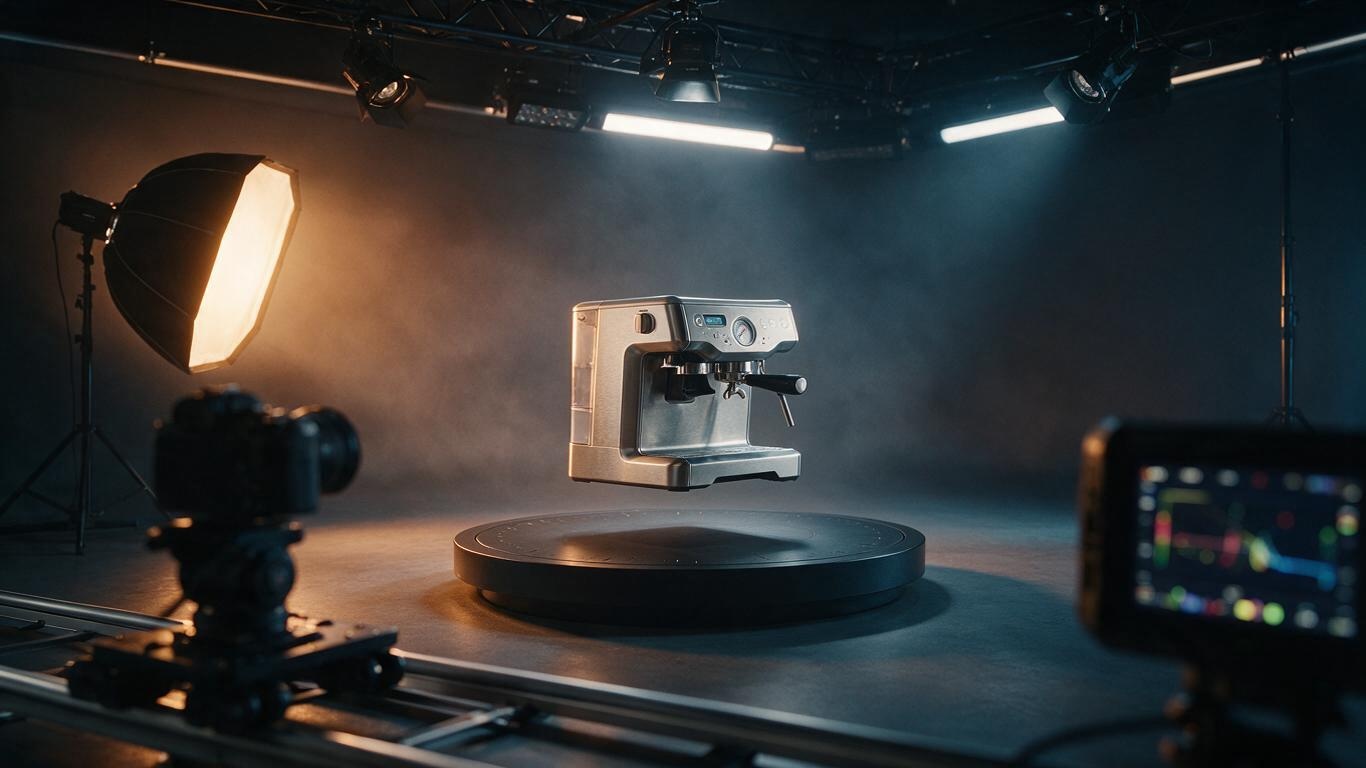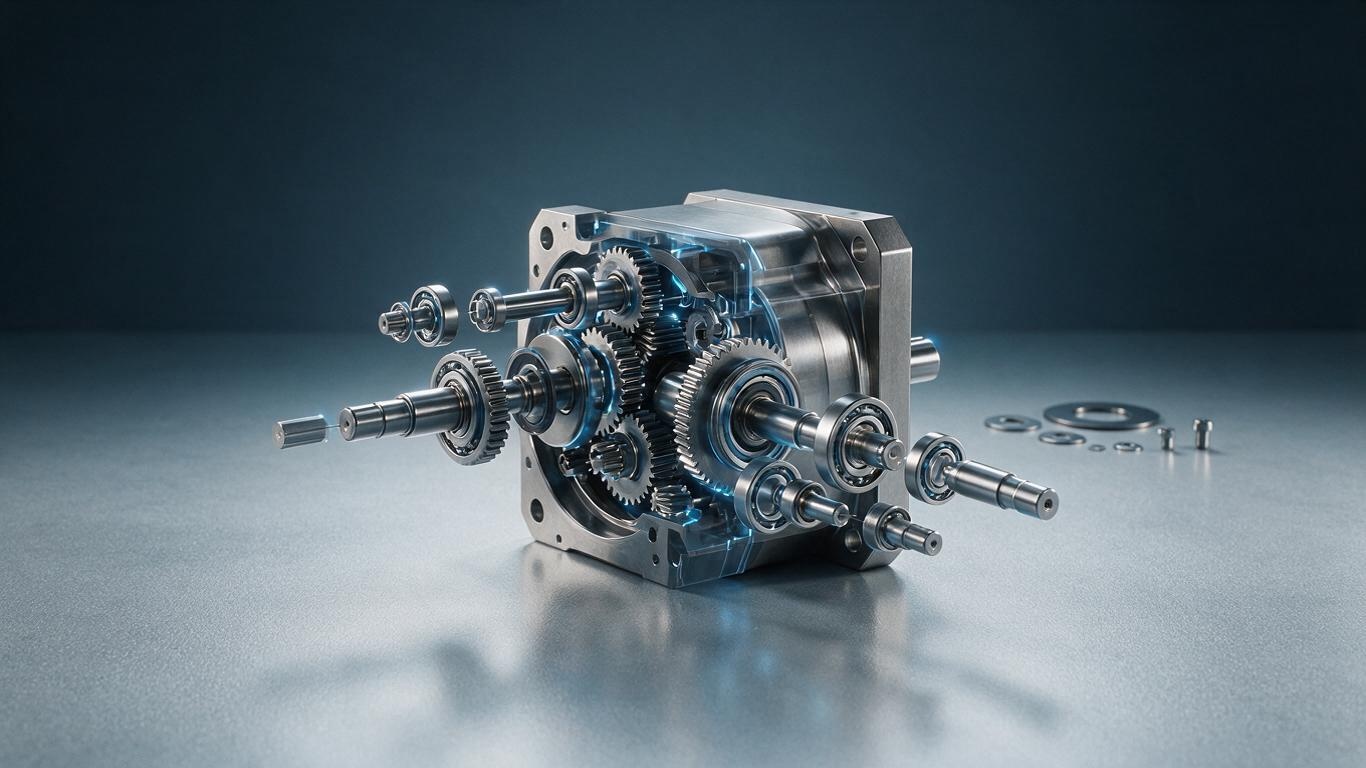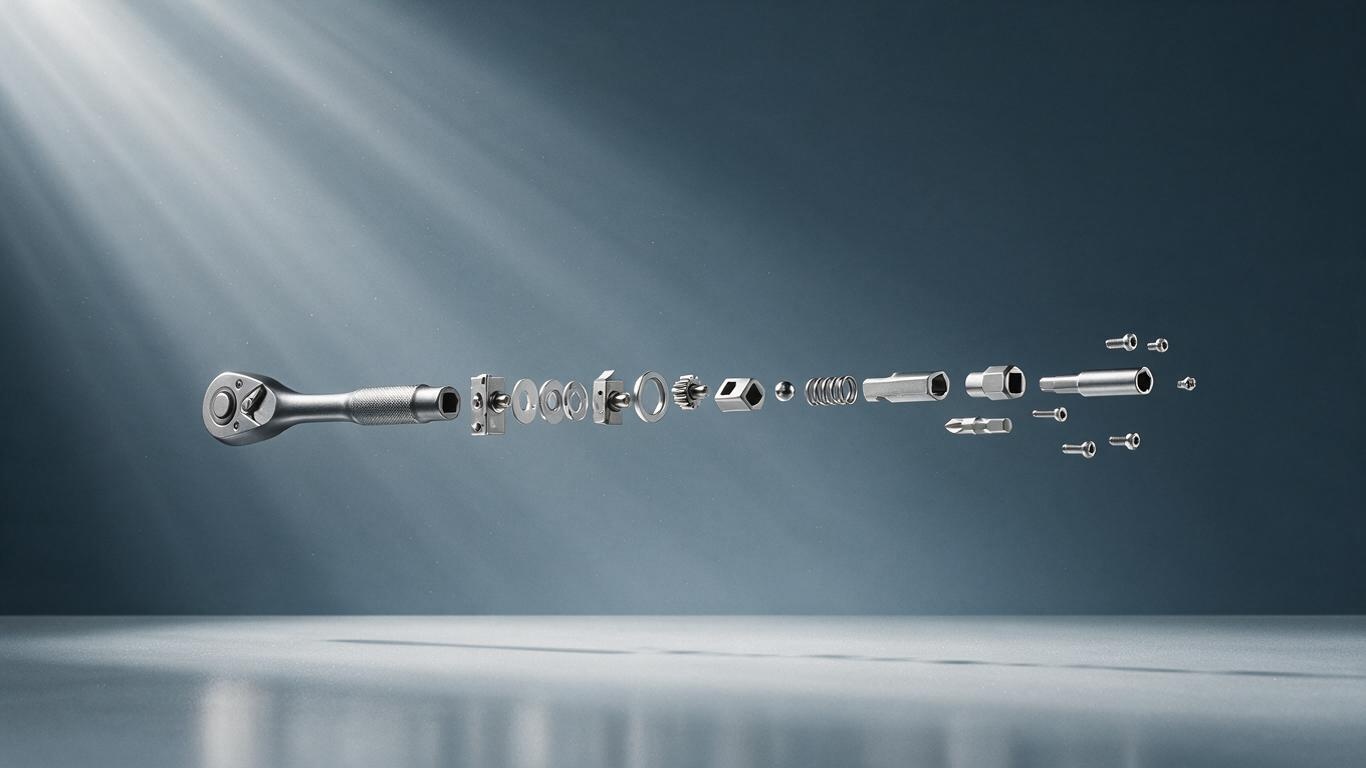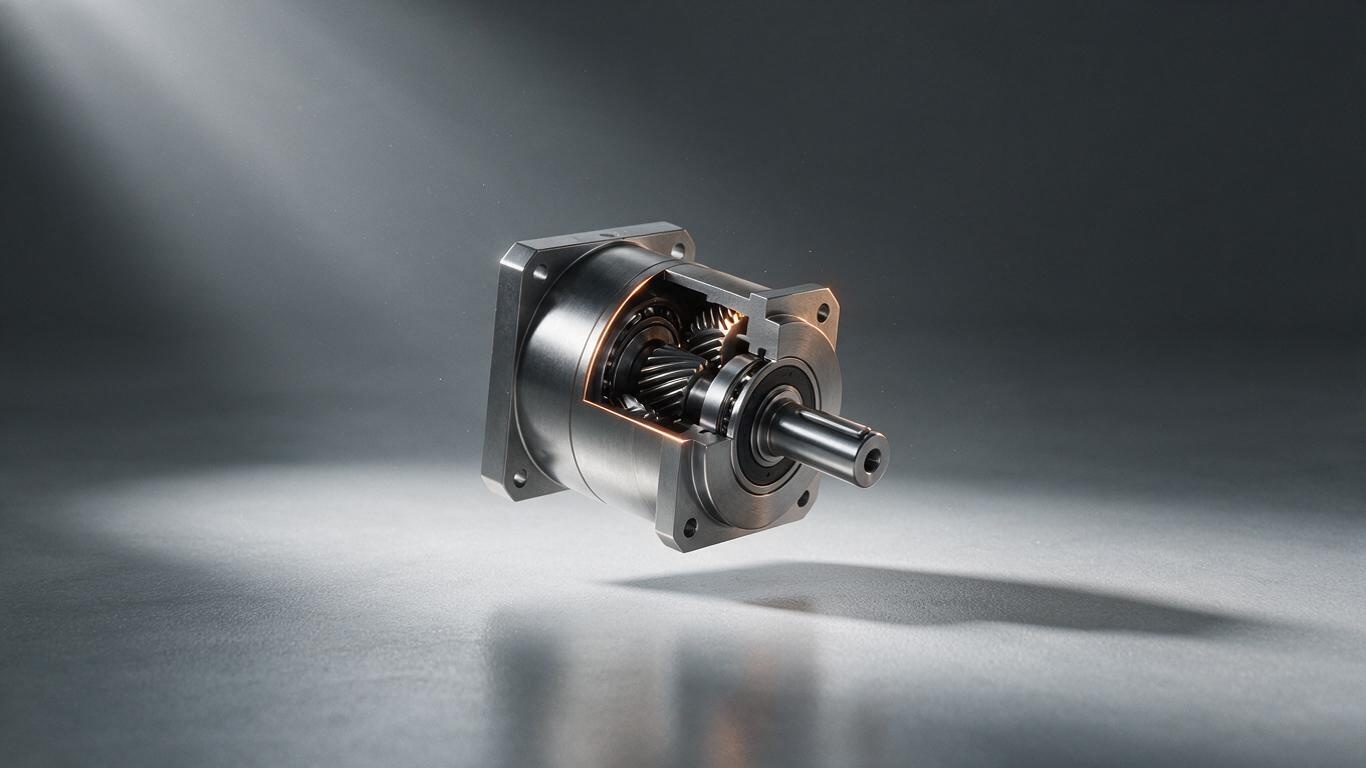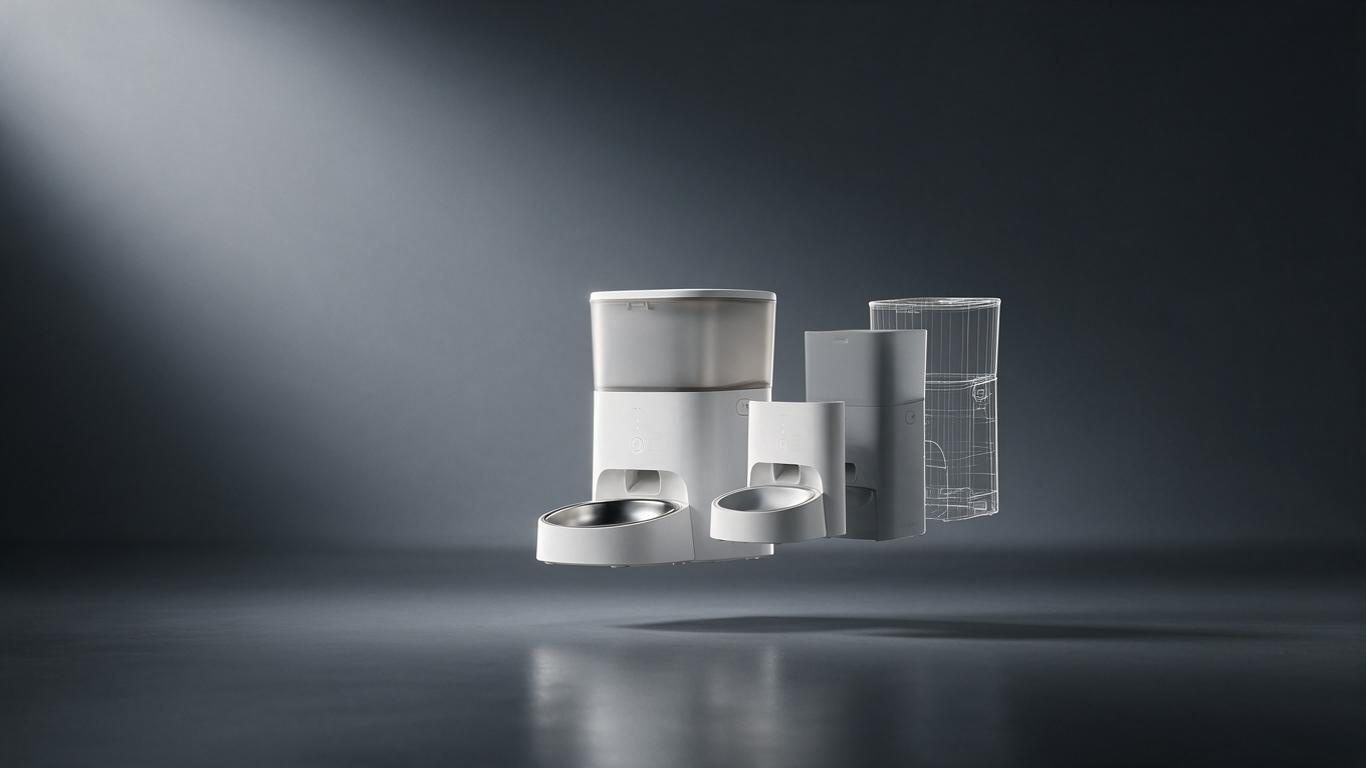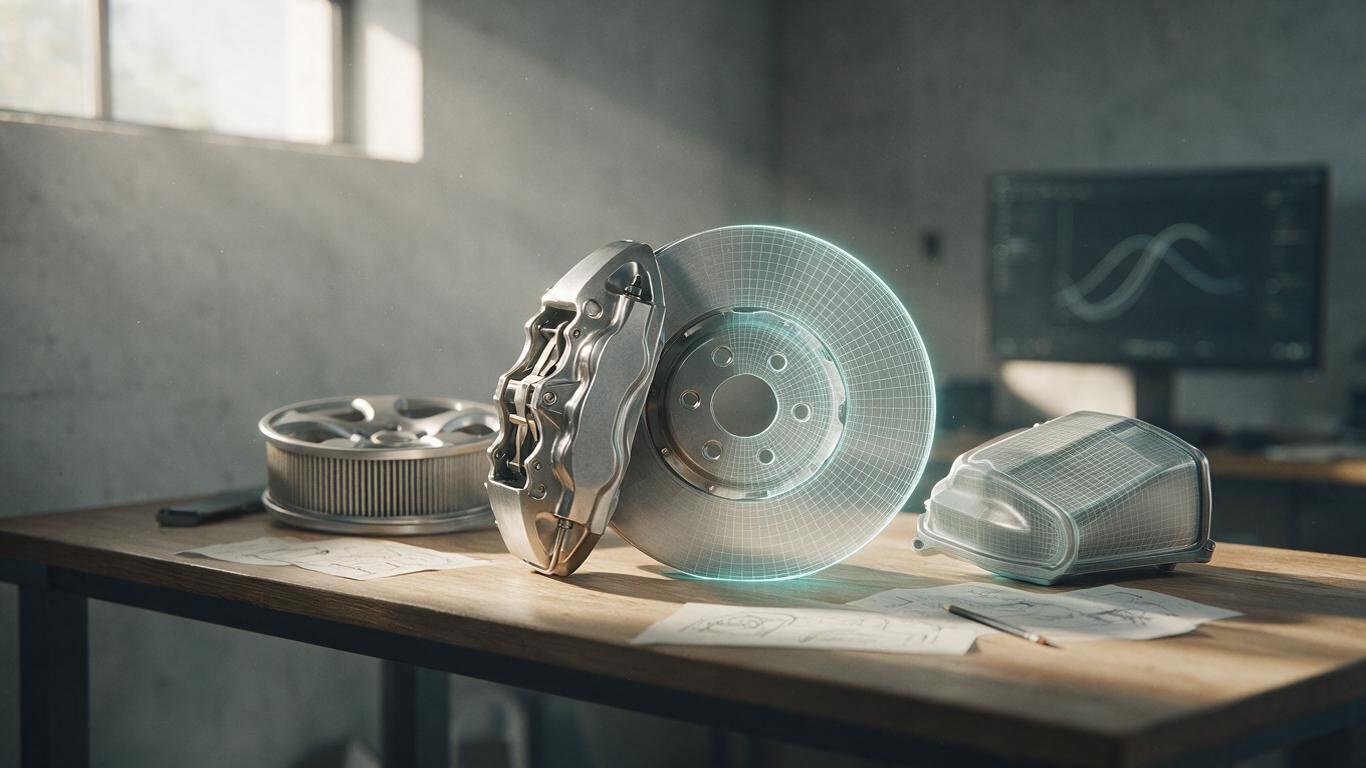
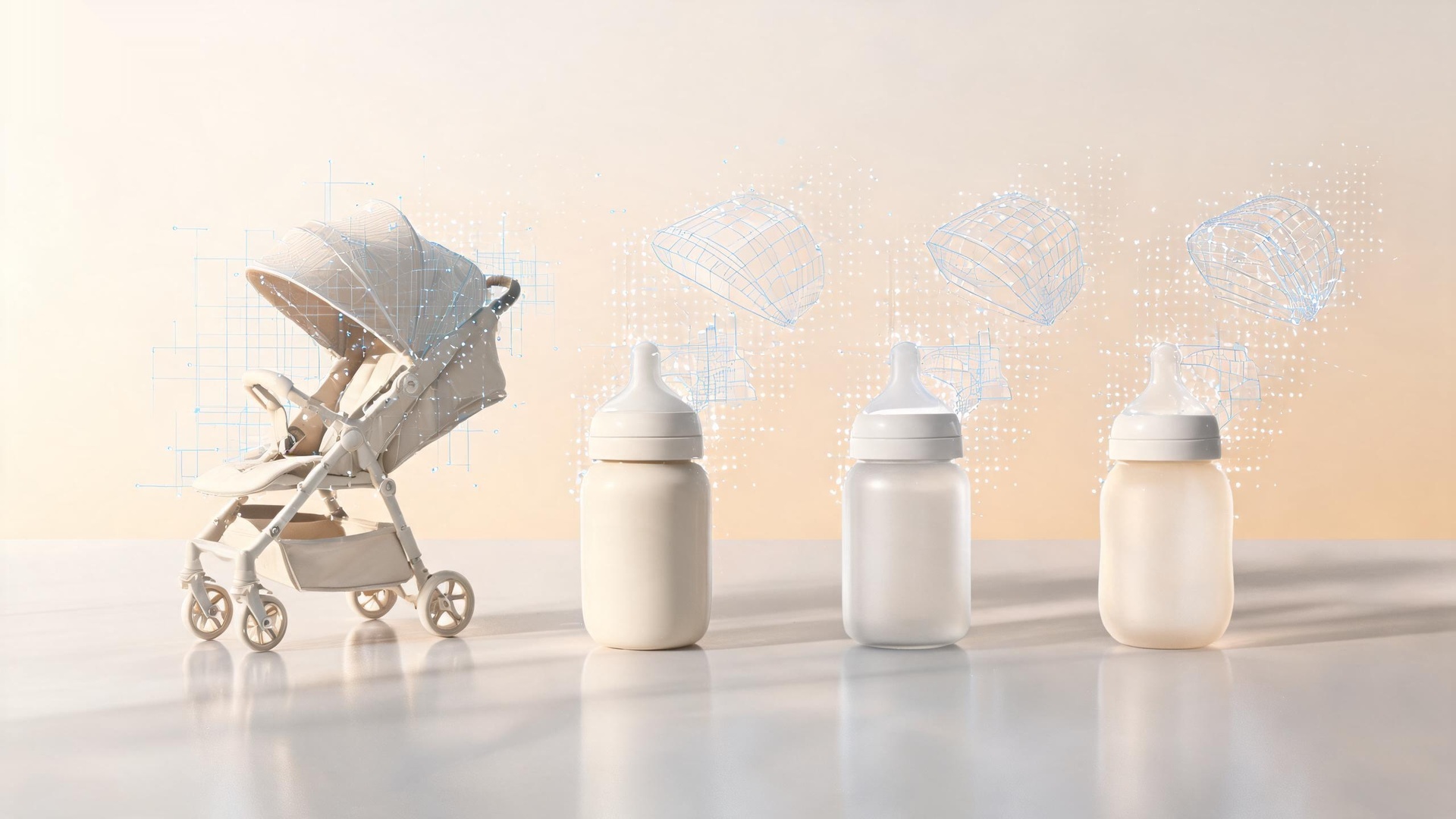
Eight thirty in the morning in Dongguan, and the office air conditioning has not caught up with the November air yet. I am standing in front of a monitor with a coffee, watching a freshly rendered clip of a baby stroller. The moment the wheel rolls over the ground, the suspension spring compresses and rebounds, and every frame lines up. The client is a mother-and-baby brand who originally wanted a simple live-action shoot. After seeing that test render, they changed their mind.
That is what ARTSKY Studio does every day. Most people hearing the name for the first time assume we make films. In a way they are not wrong — we hold ourselves to a cinematic standard, except the subject in front of the lens is a product instead of an actor. Over the past few years, the number of teams doing 3d animation production dongguan brands can hire has grown quickly. What is still rare is a studio that can hold industrial precision and cinematic taste at the same time. We would like to be one of them.
So this post is not a case study and not a technical deep dive. It is about us: why a studio doing 3d animation production dongguan manufacturers rely on deliberately slows its own pace, why the company carries two names, and which projects we genuinely turn down.
Why Dongguan, of all places
Overseas clients ask this often. In their mental map, Chinese animation studios belong in Beijing, Shanghai, Guangzhou or Shenzhen — ideally behind a glass curtain wall. Our answer is unglamorous: within one hour's drive, we can put our hands on almost any physical product.
That does not sound like a strategy, but for product animation it is decisive. The curvature of a motor housing, the softness of a silicone seal, the tactile rebound of a button on a coffee machine — none of that is visible in a drawing or a render. You have to hold it, turn it over, press it, and only then do you know how it should behave on screen. Dongguan and its surrounding belt hold one of the densest manufacturing supply chains anywhere, from hardware and injection molding to electronics modules and packaging. Our modelers routinely review a client's STEP file in the morning and compare chamfers against the real part on a factory floor in the afternoon. No remote workflow replaces that physical proximity.
Where the name ARTSKY Studio comes from
Internally we split the two names by context. The Chinese name, 艺天影业, leans toward expression — craft in the first character, horizon in the second, and a film-industry word at the end that signals our standard for image quality. ARTSKY Studio is more restrained: Art plus Sky, short to write, easy to pronounce, easy for an overseas client to remember after one call.
Some clients ask why we do not consolidate into one name. The reason is simple. We serve two very different conversations. A domestic brand team wants a partner who will sit down and talk about the product, the selling points and the media plan — the Chinese name carries that relationship. An overseas buyer cares about delivery standards, file conventions and communication speed — the English name is a cleaner introduction. Same team, two tones of voice.
The first thing we do is decline
There is an unwritten rule here: three kinds of projects we usually turn down. The first is the rush job — brief today, final cut in three days. It is not that we cannot, it is that the result is guaranteed to be hollow. If the product structure has not been understood, smooth animation is just decoration. The second is the copy job: make it exactly like that viral video. Visual references are fine; someone else's product logic is not transferable. The third is the brief where the client has not decided what they actually want to say. In that case we would rather spend a session clarifying the story than start rendering.
Saying no looks like lost revenue in the short term and works as a filter in the long term. The projects that remain tend to come with clients willing to open up the product, invite an engineer to one meeting, and spend two extra days on the storyboard. Those two days always show up in the final frames.
The half-step we take before modeling
Most people assume product animation starts with modeling. Ours starts earlier — with structural understanding.
When a product arrives, the team does three things first: map its functional hierarchy, identify the two or three motions that genuinely need to be seen, and confirm which parts must move correctly on screen. For an air fryer, the point is not how rounded the shell looks, but how hot air enters from the top vent and circulates inside the cavity. For a folding stroller, the point is the linkage sequence when the one-hand fold engages. Only after those decisions do we move into AI-assisted modeling and material reconstruction. Reverse the order and you get a beautiful clip that falls apart the second an expert watches it.
A number worth noting, and a small team behind it
By this year the studio has delivered more than one hundred product animations, something we logged at mid-year. The number itself is not the interesting part. The structure behind it is: modelers, animators, a shading and lighting artist, plus one colleague with an industrial design background. That last role barely exists in most animation studios, and here he is the first checkpoint on every project — the person who decides whether a structure can physically move the way the storyboard wants.
The team is small, so nobody can hide from a project. That is also the practical reason behind the subtraction: fewer jobs means everyone is actually in the room.
For anyone choosing a production partner
If you are evaluating product animation teams, add one question to the pitch round: how do you plan to understand my product? If every answer circles around hardware, software and render hours, you will likely receive a beautiful but empty film. What is worth probing is structure, selling points, where the video will run, and who will watch it.
ARTSKY Studio is not the biggest studio around and has no plan to be. We only want to do 3d animation production dongguan manufacturers can rely on, a little more solidly each year. If you have a project in mind, get in touch — we will start with the product, then talk about the film.