One glass of juice reveals what most product films get wrong
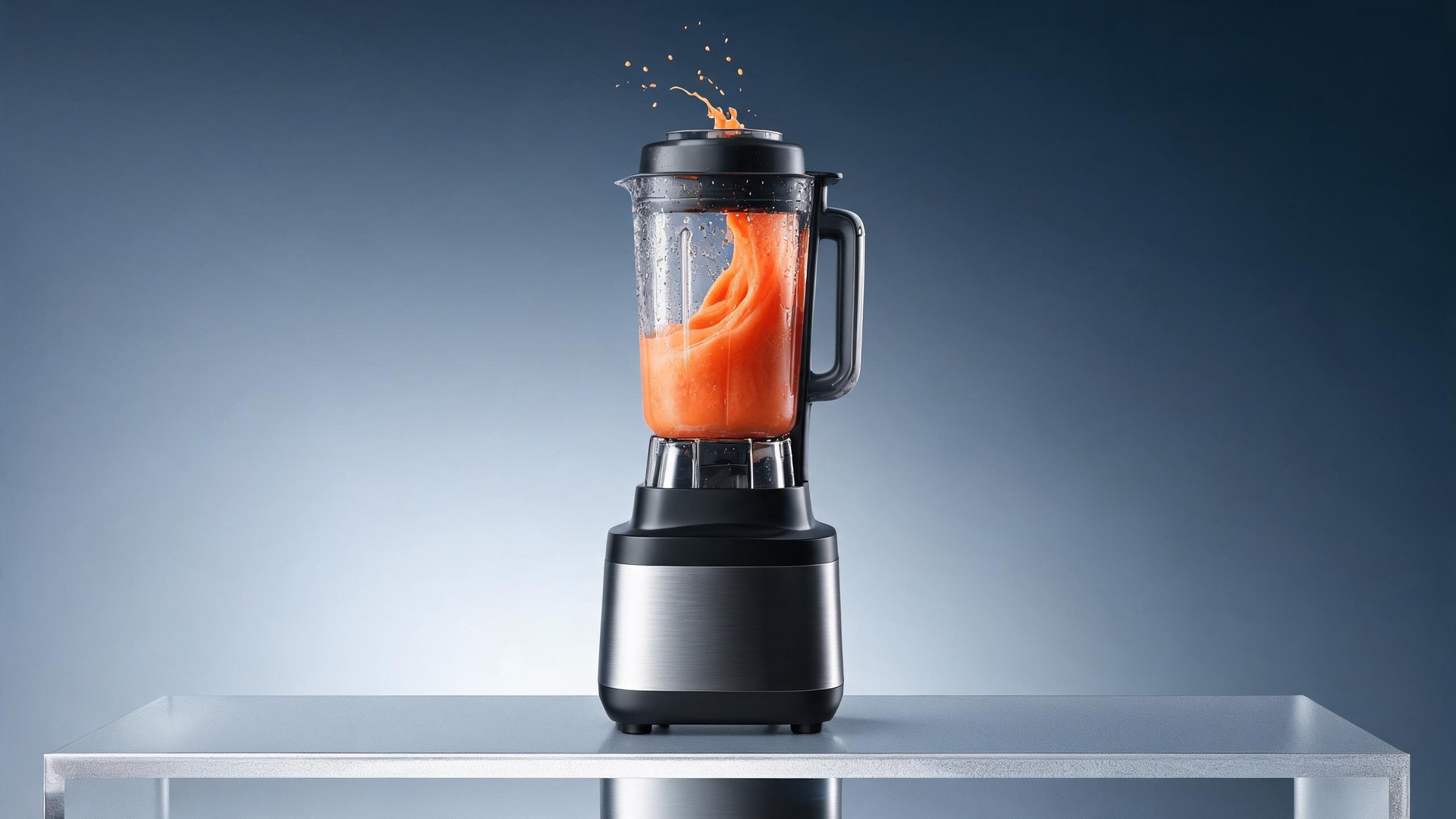
We were reviewing a kitchen appliance film last week. Inside a transparent jar, juice curled upward along the wall, hit the rim, folded back toward the center, and one droplet stretched into a thin thread before snapping. The client said one sentence: “That looks real.” Nobody praised the resolution. Nobody mentioned the lighting. The only thing that convinced them was motion that matched intuition.
This is the part of 3D product animation techniques that gets skipped most often and faked most easily. Geometry is no longer the bottleneck — a competent asset pass can reproduce a product shell almost losslessly. What separates a good film from a dead one is whether objects behave the way the viewer’s brain expects once they start moving. Inside a full ai 3d animation production pipeline, that job belongs to simulation, and it decides whether liquid reads as liquid, cloth reads as cloth, and metal collisions carry weight.
Live-action never worries about this, because the real world ships with a solver built in. Animation does not. Animation has to re-run physics through an algorithm, and a small parameter error instantly registers as wrong — viewers cannot articulate it, but they feel it. That is why we treat simulation as a separate previsualization step rather than a last-minute surprise before final frames. If you want the full chain mapped out, our breakdown of live-action versus AI 3D production workflows covers the inputs and outputs of every stage.
Five simulation types cover ninety percent of motion problems
There is no mystery here. Real projects lean on five categories, and each solves a different problem:
- Rigid bodies handle collision, stacking, tipping and rolling. Multi-product arrangements, accessories dropping into place, packaging opening and closing, the exact moment two parts seat together. The difficulty is constraints and friction, not gravity.
- Soft bodies and cloth handle how flexible things sag, drape and spring back. Cables, silicone seals, fabric liners, paper bag handles. The moment these read as rigid plastic, the perceived quality drops by half.
- Fluids cover liquids and gases. Pouring beverages, extruding sauces, foam expanding, steam rising. This is the most compute-hungry and the easiest to fake badly.
- Particles handle anything dispersed, dense or misty. Powder falling, spray atomizing, fine dust drifting through a light shaft.
- Fracture handles cracking, chipping and delamination — useful whenever a brand needs destructive proof, like drop tests or coating peel.
Projects rarely use one in isolation. A single juicing appliance shot might run four solvers at once: rigid blades, rigid jar, fluid juice, particle splash, plus a soft rubber foot compressing as the base lands.
Parameters are the story: slow motion, viscosity and the feeling of weight
People assume simulation means pressing solve and waiting. The actual craft happens in the parameter panel.
Time scale. Audiences love slow motion, but simply stretching time makes liquid look syrupy. The right approach is to slow time while lowering viscosity and raising surface tension, so the fluid stays crisp at high-speed-photography framing. That 1000fps look is two or three parameters talking to each other.
Subframe steps. Fast objects move too far within a single frame, and collision detection misses. Tightening substeps during solve beats fixing penetration frame by frame afterward — twenty extra minutes upfront, two days saved downstream.
Scale calibration. Realism depends heavily on real-world scale. A cup built in centimeters and a cup built in meters behave completely differently under the same gravity. We lock units during the asset stage to avoid the absurd-but-common “half-meter glass holding a ton of water” problem.
Low-fidelity previews. Run a coarse mesh first to check rhythm and timing, then commit to high precision. This single habit is why we can take on short-turnaround projects without gambling.
What AI actually contributes to simulation
Let us be blunt: AI does not replace the solver or invent physics. It compresses trial and error. In our ai 3d animation production practice, it shows up in three places.
The first is motion reference. Generative video produces a few quick timing studies so directors and clients can agree on feel before anyone touches 3D. What gets saved is revision cycles, not the physics.
The second is parameter search. Fluid and cloth involve coupled parameters that feel like guesswork. Models trained on target-shape-to-parameter-range mappings give far better initial values, leaving the final polish to artists. We covered the practical side of this in AI-driven motion generation.
The third is caching and proxies. Low-poly proxies, reused caches and shared solve results across shots, scheduled intelligently, cut the heaviest part of a thirty-second project by a meaningful margin. That is real hardware cost removed from the invoice.
Four places shots fall apart
Over-simulation. Not every shot needs physics. Forcing cloth and particles into a simple rotating hero shot just makes the frame dirty. Simulation is seasoning, not the meal.
Penetration. Cloth through a shell, liquid through a wall, particles through the floor — one dirty contact surface and the shot is dead. Catch it in preview, never at final.
Runaway solve times. High-precision fluid can take hours per frame and destroy a schedule. Tier your solves: low precision for wide shots, high precision for close-ups, nothing at all outside the frame.
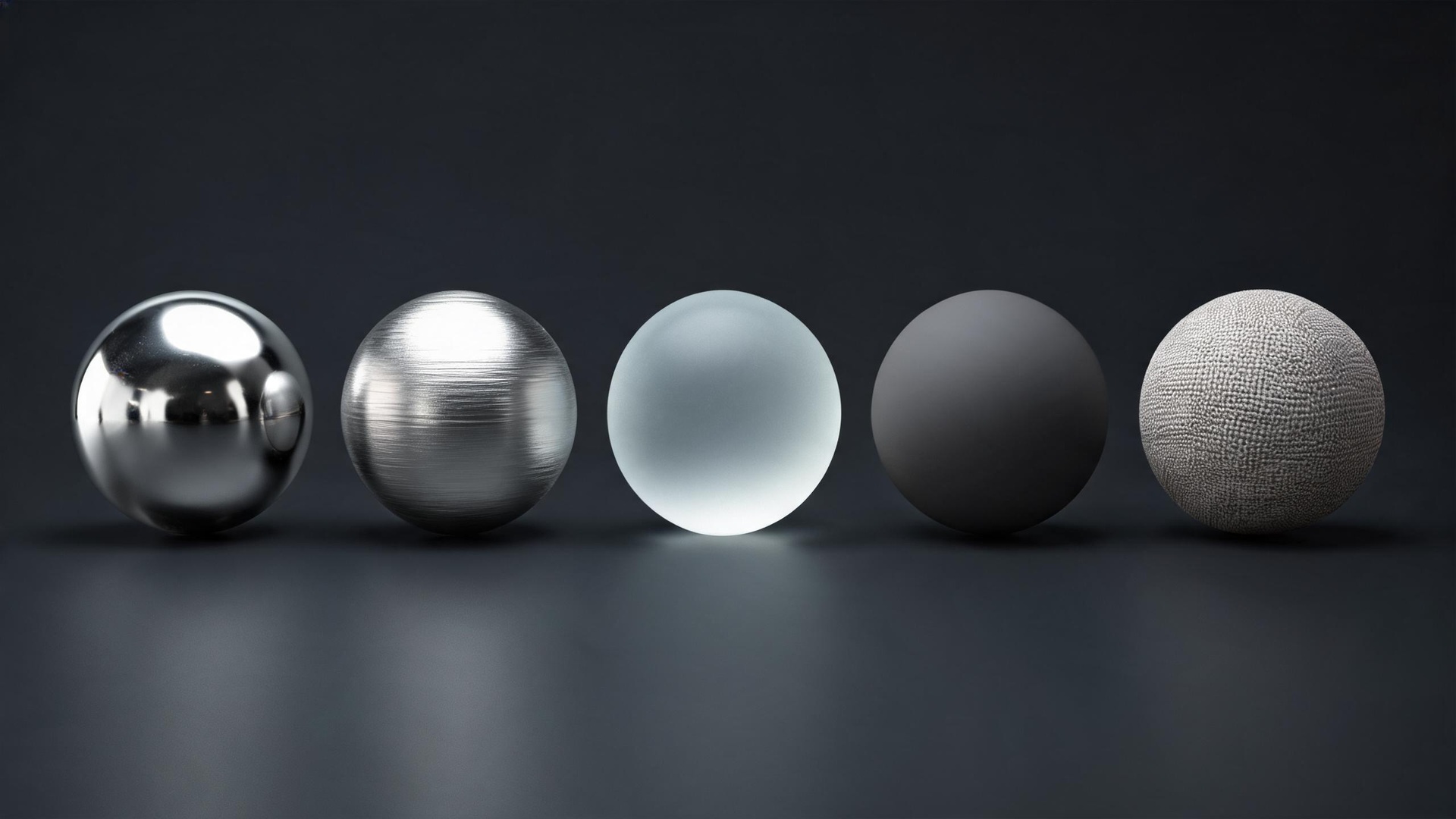
Motion that ignores material identity. The same collision settings read completely differently on rubber versus anodized metal. Motion has to follow the physical nature of the product, or you end up with pretty effects that convince nobody. We collected a few related traps in five pitfalls brands hit with product animation.
Compute, scheduling and delivery: the practical ledger
Simulation scales roughly linearly with quality — double the precision and the time often more than doubles. We combine local previews with overnight cloud batches so the heavy lifting happens while everyone sleeps. Deliverables typically include the finished film, reusable scene files and key stills, so brands can redeploy the same assets across detail pages, short video and trade show screens.
In the end, 3D product animation techniques are not a software version contest. They are a contest of understanding how realism gets constructed. Simulation is the channel that translates engineering into instinct. If your product is stuck between “photography cannot show it” and “animation might look fake,” contact us with your specs and target channels, and we will send back a motion previsualization plan first.