
Three Seconds of Black Screen Decide What People Remember
You have probably experienced it: the lights drop, the screen lights up, the room goes quiet, and a 90-second film explains an entire product. On the way out, that film is what people talk about in the elevator.
That is the power of a product launch video. It is not an ad, and it is not a spec sheet. It is a precisely engineered container of information — built to make journalists remember one claim, make channel partners trust one judgment, and make buyers feel one impulse.
This guide is written for brand marketing teams: what a product launch video actually is, which formats exist, how 3D product animation fits in, how to plan the timeline, and what to look for when choosing a production partner.
Definition: What a Product Launch Video Really Means
A product launch video is content made specifically for the moment a new product is revealed. Its job is not to look pretty — it is to explain something new, in the right place, at the right time.
Many teams confuse it with a brand film. In practice, one launch video usually has to serve three contexts at once:
- The main film: played on the stage screen, 60–120 seconds, setting tone and emotional peak.
- Teaser and distribution: 15–30 second cuts for social, owned channels, and media before and after the event.
- Long-tail assets: product page hero, trade show loops, sales team carry-along versions.
Three contexts mean three rhythms, three aspect ratios, and often three narrative logics. A single universal cut usually ends up serving none of them well.
Four Formats — Most Brands Only Use the First
Ordered by information density, launch videos fall into four categories.
1. The teaser
15–30 seconds. No full reveal — only a silhouette, a material detail, or a use scenario. Its only goal is curiosity. Best deployed 7–14 days before launch day.
2. The hero film
60–120 seconds, played on stage. It does not just list features; it argues why the product deserves to exist. Typically it opens on a user problem and lands on the product's defining moment.
3. The feature demo
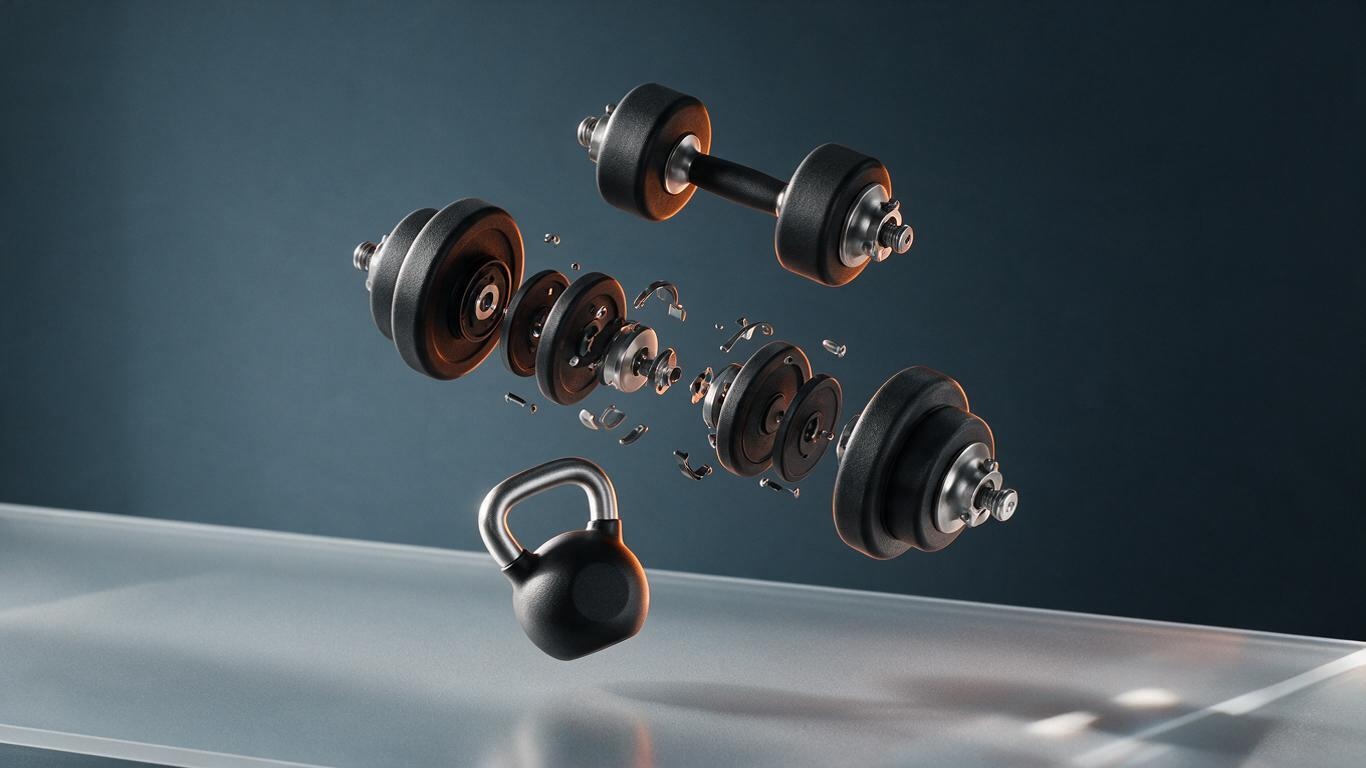
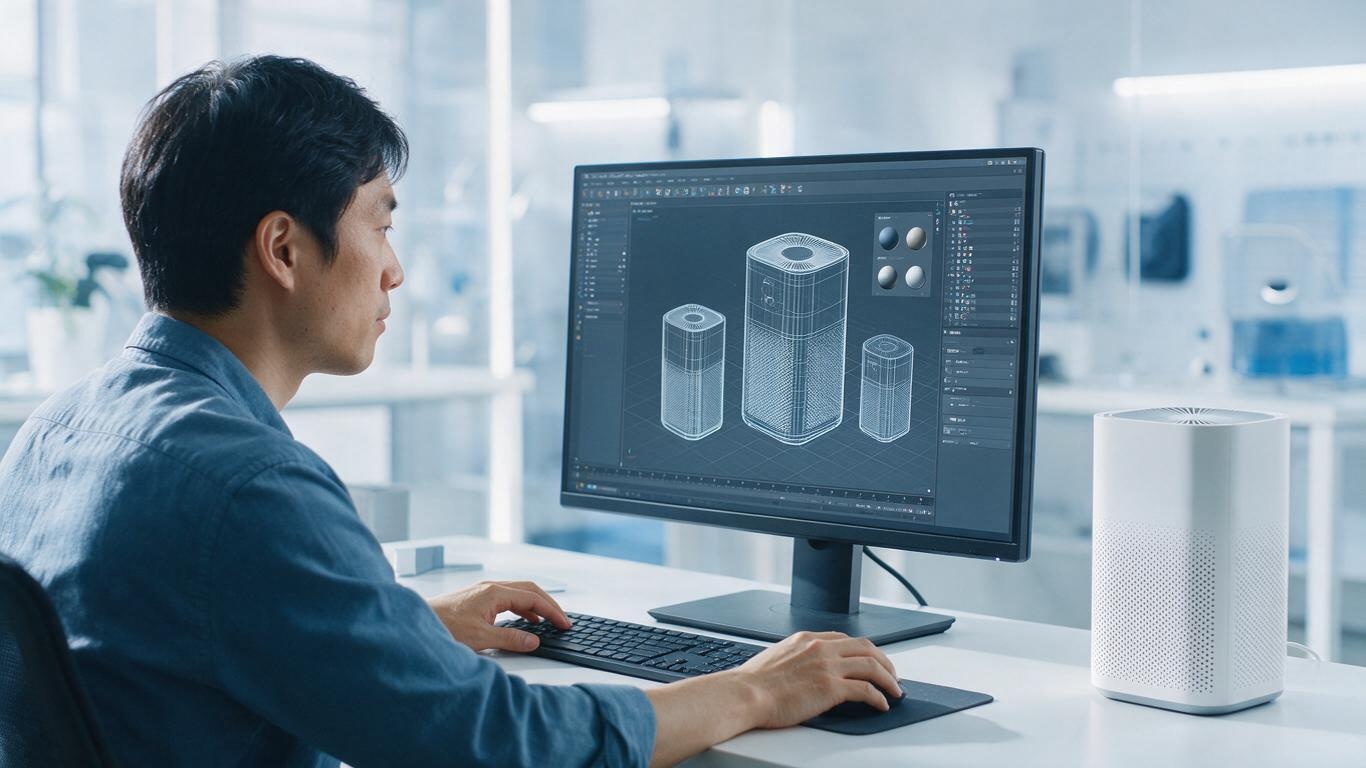
45–90 seconds, and the hardest to produce. How the internals work, why this material, where it beats alternatives — these are nearly impossible to shoot live, which is exactly where 3D product animation earns its place. We broke down a full teardown in a precision machinery 3D animation case study.
4. Cutdowns and localized versions
Landscape to vertical, long cut to 15 seconds, subtitles in multiple languages. This work is routinely underestimated, yet it decides whether launch-day momentum survives the week.
Where 3D Animation Covers What Cameras Cannot
Marketing teams often ask: we already have a live-action crew, why add 3D? Because cameras cannot reach three places.
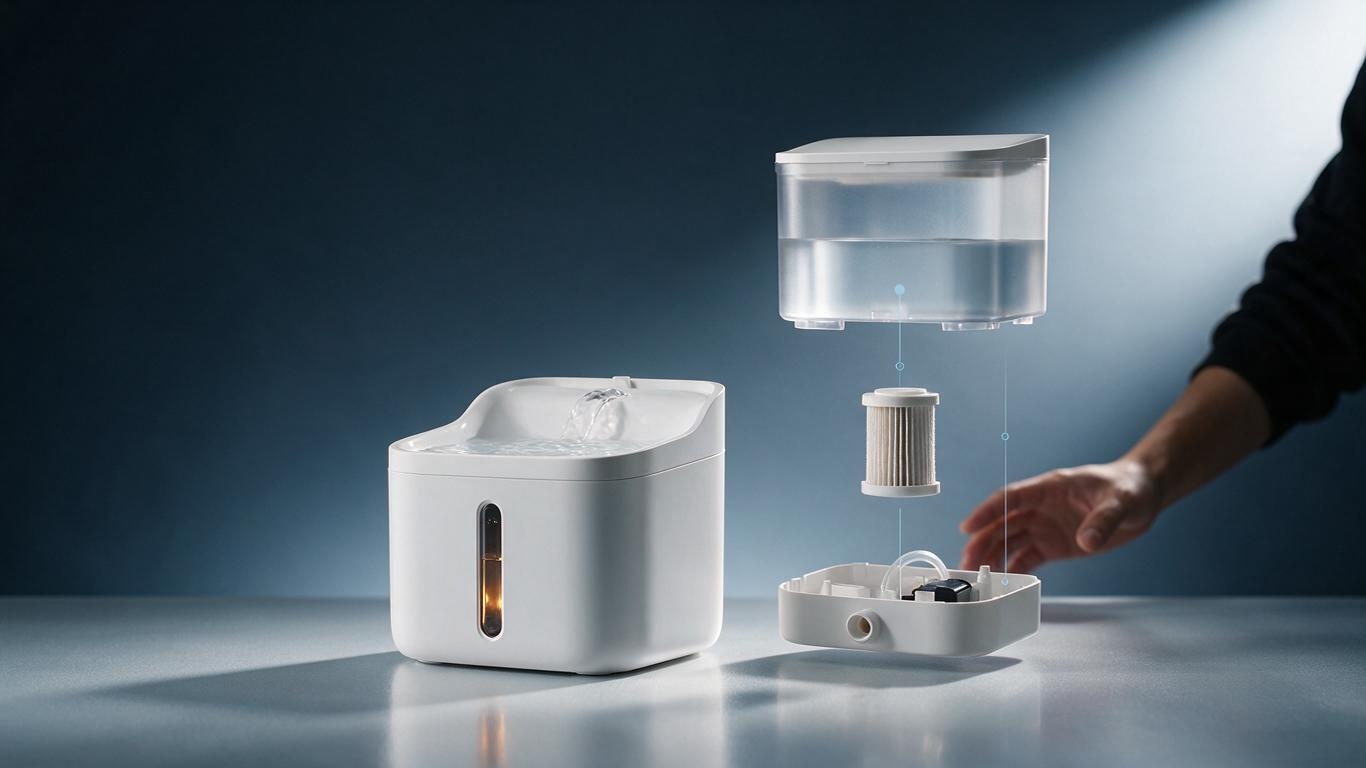
Inside. The core mechanism hides behind the shell — and that is precisely what a launch needs to explain.
Extremes. Sub-zero, underwater, high altitude, 1,000 hours of continuous operation. Either impossible or prohibitively expensive to shoot; trivial to build in 3D.
Time. Launches often precede mass production. When only one prototype exists, 3D animation is close to the only option.
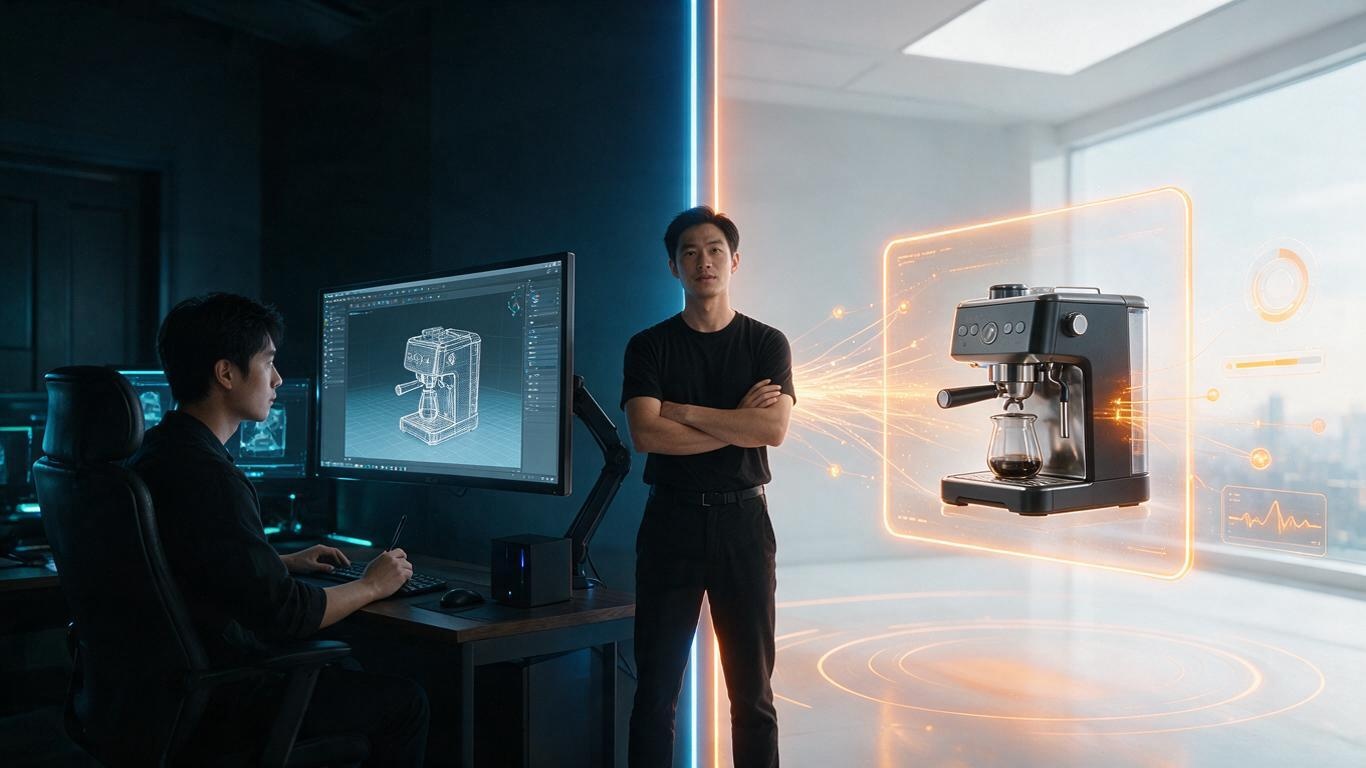
Live action delivers realism; 3D delivers explanation. They are not competitors — they are roles within the same film. For a fuller comparison, see our breakdown of the live-action versus AI+3D workflow.
The Timeline: Work Backwards Eight Weeks
Launch dates do not move. Counting backwards from launch day as T, a typical schedule for one hero film plus three cutdowns looks like this:
- T-8 weeks: narrative spine and key claims locked, first script draft.
- T-6 weeks: storyboard, 3D asset build, visual style approved.
- T-4 weeks: animation and shot production, first rough cut reviewed internally.
- T-2 weeks: compositing, grade, sound design and music; picture lock.
- T-1 week: multi-version delivery (landscape, vertical, subtitled), on-site playback test.
What actually derails a launch video is rarely production. It is the two weeks lost while the product team still cannot agree on the core claim. Every script change triggers a full-chain rework.
Choosing a Partner: Look Past the Showreel
A showreel proves taste, not delivery capability. Three dimensions matter more.
First, experience explaining products in your category. A team built on fast-moving consumer goods will make industrial equipment look good and technically wrong. Second, end-to-end capability from script to final master; splitting work across vendors is a serious risk on a fixed launch date. Third, multi-version output — landscape, vertical, subtitle burn-in. These details decide whether the screen plays smoothly on the day. We go deeper in how brands choose an AI+3D animation vendor.
Three Recurring Mistakes
Treating it as a TV commercial. Ads sell emotion; launch videos must also transfer information. Journalists and partners need a claim they can repeat.
Landscape only. After the event, most viewing happens vertically on phones. No vertical assets means no long tail.
Sound left for last. Music and sound design are not a finishing step — they determine whether the film holds up on a venue's PA system. Lock the sound direction at rough-cut stage.
In the End, It Is Compression
A product launch video compresses months of R&D, dozens of slides and hundreds of specs into 90 seconds — and makes people want to finish watching. That is not achieved with more effects. It is achieved by answering one question: who is watching, and what should they remember?
If you are preparing your next launch and are unsure how many films you need, which shots must be 3D, or how to work backwards on the schedule, contact us — we will help you structure the film slate first, then talk production.