Here is an uncomfortable question: in the past year, how many of your company's short videos did a customer voluntarily forward to an industry group chat? If the answer is close to zero, the problem is probably not your production team. It is that corporate short video marketing is still being treated as filmmaking rather than as a system.
We work with a lot of B2B brands, from industrial machinery to home building materials, and the script is almost always the same. Marketing gets an annual target to 'do short video'. A vendor is hired to shoot a three-minute corporate film, which is then cut into 15, 30 and 60 second versions, pushed to five platforms, collects a few hundred views, and quietly dies. Execution was fine. The definition was wrong.
1. A definition you can actually run on
Corporate short video marketing is a content system in which a B2B organization uses short video to deliver three kinds of information — product value, technical capability and service credibility — to the different roles inside a buying committee, continuously, reusably and measurably.
Three words deserve attention. Continuous means it is a production line, not a campaign, and it needs stable output. Reusable means one shoot should yield landscape, vertical, animated stills and product page components — not a video that dies after publishing. Measurable means every piece knows, before it goes live, which job it does: make a stranger remember you, or make an engineer believe your numbers.
This is where B2B diverges from consumer commerce. Decision chains are longer, more people are involved, and the deal size is larger, so one video has to persuade an engineer, a procurement manager and a founder in the same meeting. Emotion will not move them. Evidence will. That is why the hero of a B2B video is often not a person at all — it is the product, the production line, or an internal structure rendered clearly enough to survive a ten-times zoom.
2. Three content layers, not a pile of clips
Most corporate accounts fail not from lack of volume but from lack of structure. Team building on Monday, a founder speech on Wednesday, a trending audio on Friday — scroll three screens and you still cannot tell what the company is good at. We usually compress everything into three layers.
Trust layer: factory footage, inspection steps, delivery, after-sales response. It does not need to look beautiful, it needs to be verifiable, and its job is to answer 'are these people reliable'. Value layer: how the product works, where it differs from alternatives, which scenario makes it necessary. This is the main battlefield and the hardest layer, because most B2B advantages live where cameras cannot go — fluid paths, load distribution, assembly tolerances. Entry layer: 15 to 30 seconds of hook content that stops the scroll and routes people to the first two layers.
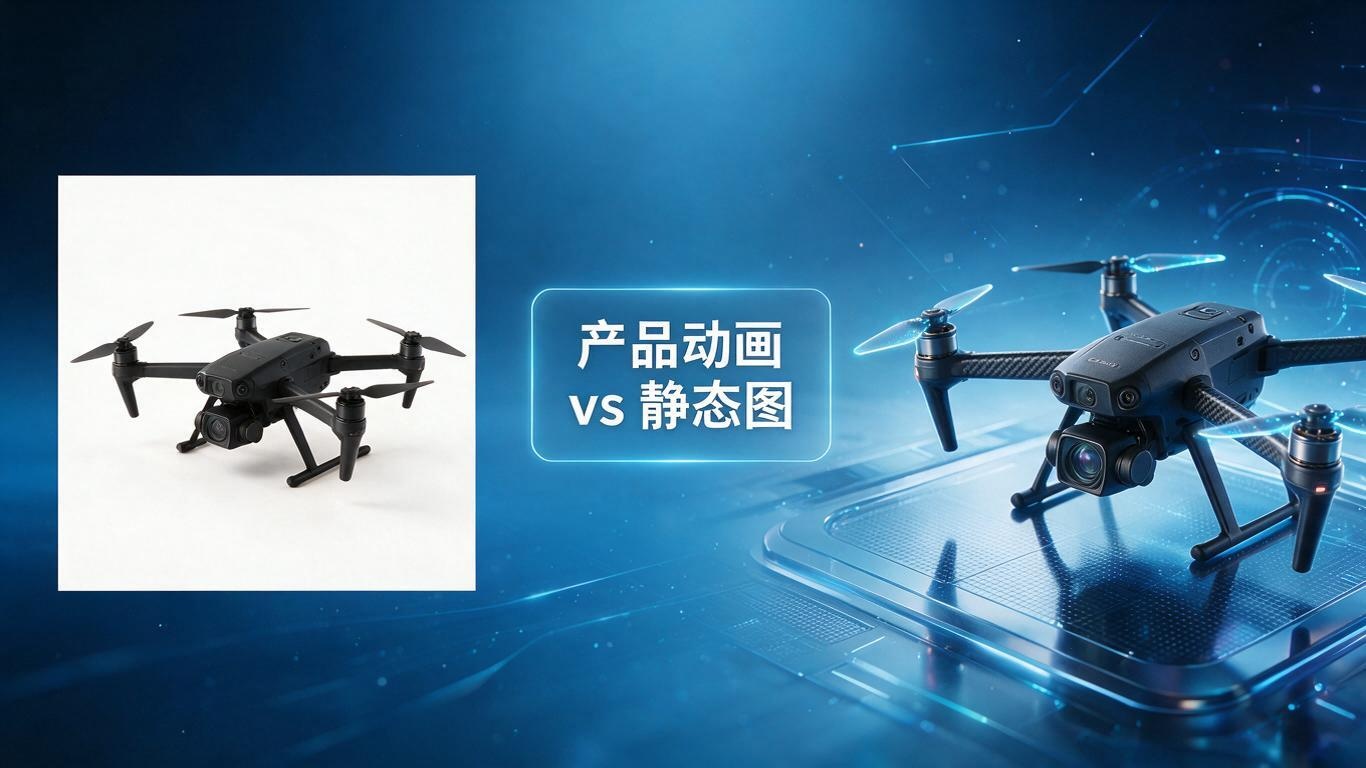
There is no universal ratio, but a workable starting point is more than half entry layer, around thirty percent value layer, and ten to twenty percent trust layer. Many companies invert this, spending eighty percent of budget on a corporate film nobody watches. We dissected this shift in the short video product showcase revolution.
3. Platform playbooks: same core, four different openings
Do not invent separate creative for every platform; that is a capacity black hole. Build the core asset once, then recut the first five seconds for how each platform is consumed.
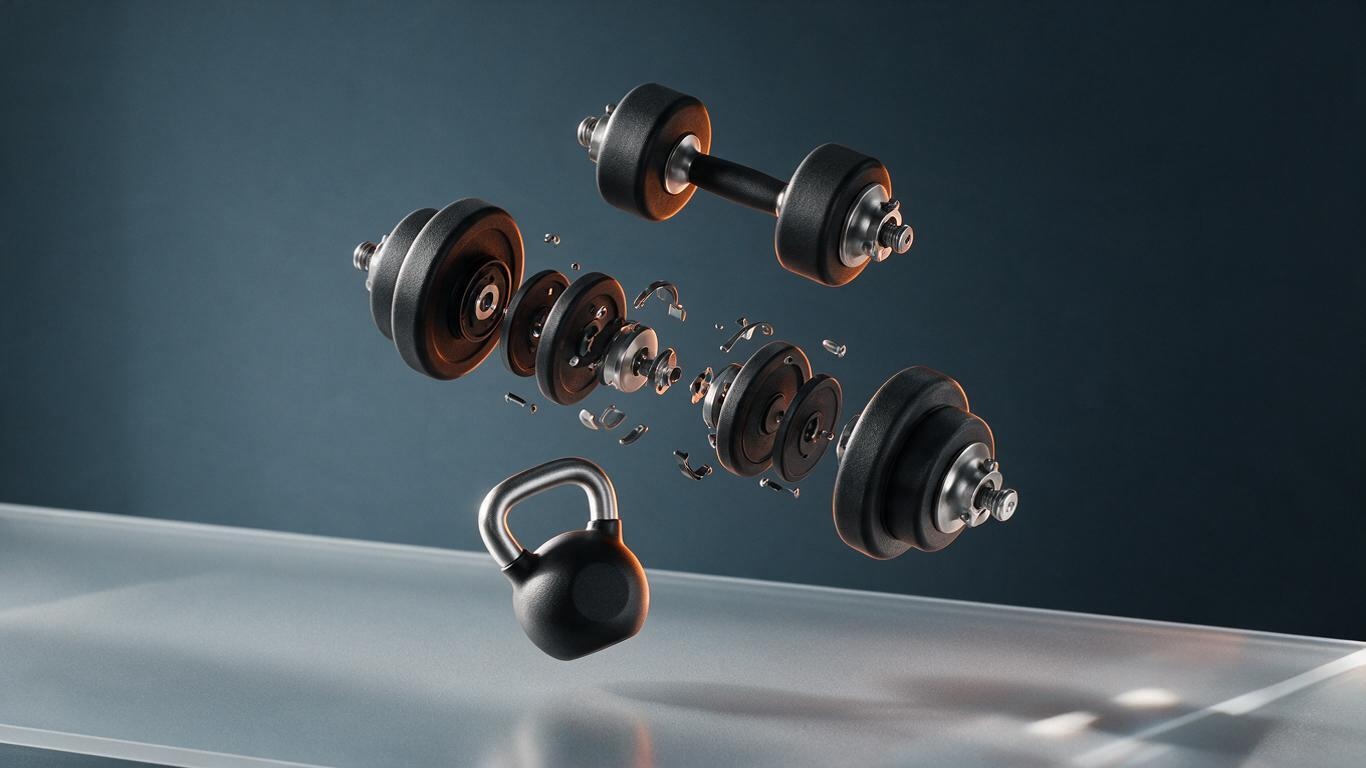
LinkedIn and YouTube reward specificity and patience — subtitles, parameter overlays and a slower pace work in your favour, because the viewer is often evaluating rather than scrolling. Douyin and TikTok reward retention and interaction, so the opening must be visual: an exploded assembly, a stress test, a mechanism opening in slow motion. Bilibili and Xiaohongshu reward understanding, so longer value-layer pieces are viable there. The same product truth, four different front doors.
4. Where product animation fits
The value layer is hard for a very concrete reason: products are too small, too fast, or too internal. A real machine cycle might take forty minutes, with the critical mechanism buried behind sheet metal. A texture difference in skincare cannot be reproduced under ordinary studio light. AI 3D product animation fills exactly this gap — it can go down to the screw, freeze or accelerate time, and place the camera anywhere to explain why one design is better.
But it is not a cure-all. It explains structure and principle; it cannot prove that your factory exists. So it belongs in the value layer, paired with real footage in the trust layer rather than replacing it. We built exactly that combination on a precision equipment project; the process is documented in how a CNC machine product animation is actually made.
5. How to know it is working
Do not judge by views alone. Measure three layers. Content: three-second retention and completion rate, which tell you if the hook works. Cognition: profile visits, inbound messages, document downloads. Business: whether your sales team actually forwards these videos to prospects — the most honest metric of all. If sales never sends your content to a customer, it contributes nothing.
One internal metric is usually ignored: reuse rate. Can the models, shots and exploded views from one video be redeployed on a product page, a trade show screen or a pitch deck? Content that can be reused is the only content that gets cheaper per use. We covered this in the four dimensions brands use to choose an AI 3D animation vendor.
6. Four steps to start
First, inventory what you already own: do product models exist, is technical documentation complete, and what are the three questions sales hears most often? Those three questions are your best topic list. Second, define the content layers and plan ten episodes before you roll camera. Third, pick one platform and go deep — the one your buyers actually scroll, not the hottest one. Fourth, build a reuse mechanism so every asset has at least three exits.
The real barrier is never equipment. It is the willingness to translate technical language into images a customer can understand. That takes people who know the product and people who know visuals. If that is where you are stuck, talk to us about your product — we can usually point to the one side of it most worth showing.