
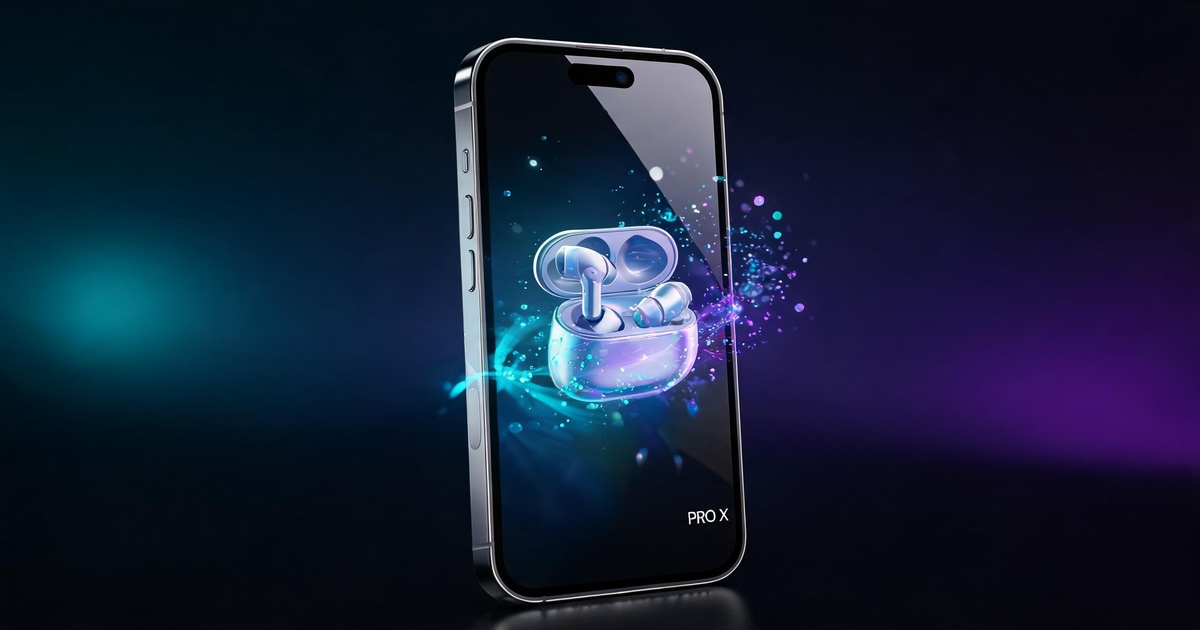
A Shift Underway
In 2023, if a 30-second product video on YouTube didn't grab viewers in the first 5 seconds, it was essentially dead.
In 2026, that number has dropped to 3 seconds — or even less.
TikTok, Douyin, Reels, Shorts… short video platforms are fundamentally reshaping consumer attention patterns. For e-commerce brands, this means a brutal reality: if the first 3 seconds of your product animation don't pop, you might as well not have made it.
This isn't alarmism. Here are the numbers:
- Average completion rate for brand videos on TikTok is just 9% — fewer than 1 in 10 viewers watch till the end
- But the top 10% of videos achieve 45%+ completion rates — a 5x gap
- The key difference? The first three seconds — top videos retain 60% more viewers in the first 3 seconds than bottom-tier videos
How Short Video Platforms Change Product Showcase Logic
Traditional e-commerce product display logic: user searches → browses detail page → decides to buy.
Short video e-commerce logic is completely different: passively scrolls → decides in 3 seconds whether to stop → content engages → interest sparked → clicks to buy.
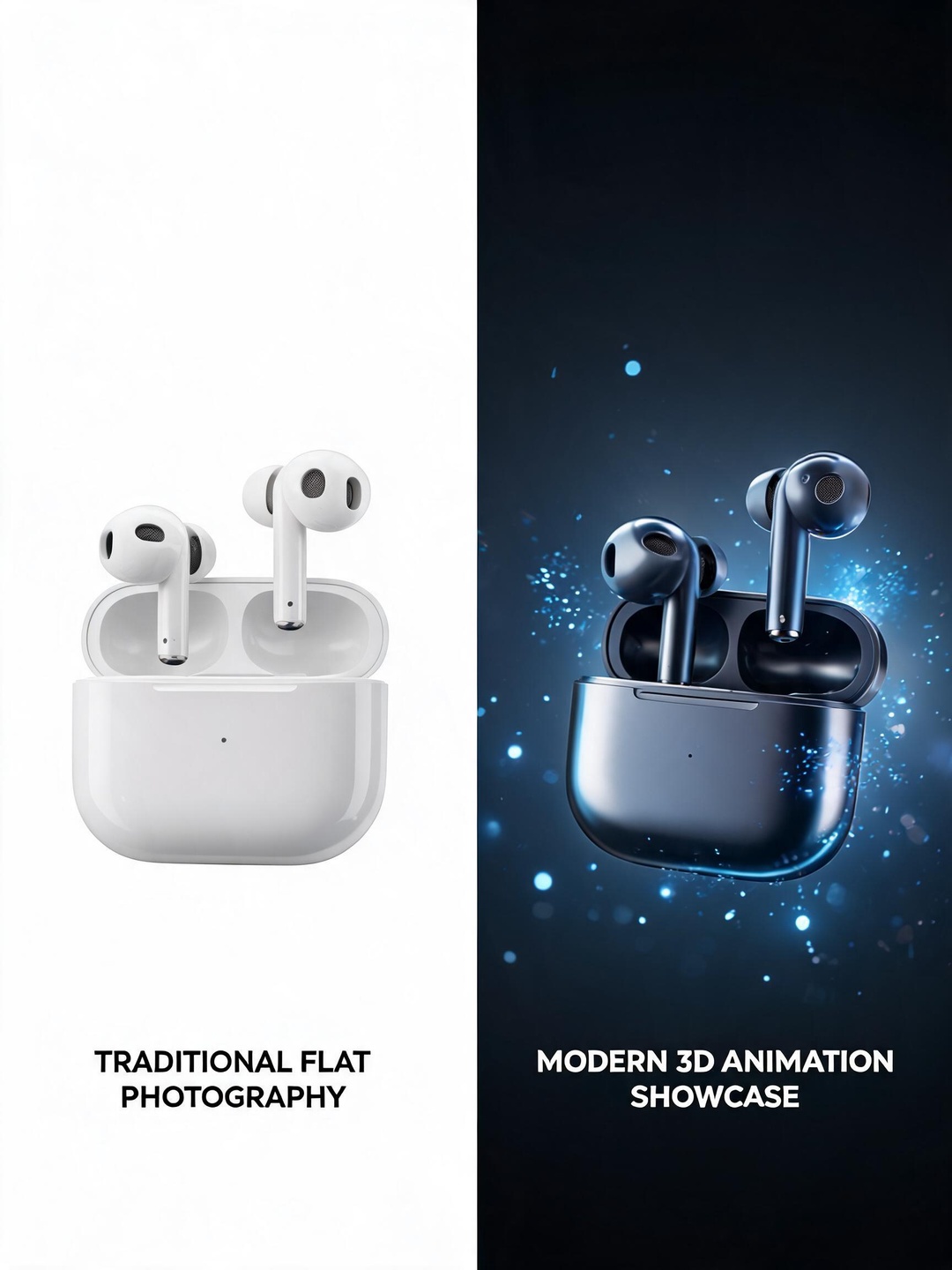
This means product showcase content must complete the "scrolling past to stopping" transition within 3 seconds. Traditional product photos? Not enough. Traditional showcase videos (product rotation + feature overlays)? Too slow, too flat.
How AI+3D Product Animation Fits Short Video
Over the past two years, working with dozens of cross-border e-commerce brands, we've identified three core principles for short-form product content:
Principle 1: The 3-Second Visual Bomb
The first 3 seconds must deliver a visual explosion — product bursts out of its shell, macro material close-up with rapid camera push, light explosion effects, product solidifying from liquid form. In AI+3D workflows, these effects can be precisely engineered during production.
Case in point: Our TikTok video
Principle 2: 10-Second Information Compression
Once viewers stop in the first 3 seconds, the next 10 seconds must efficiently deliver core selling points.
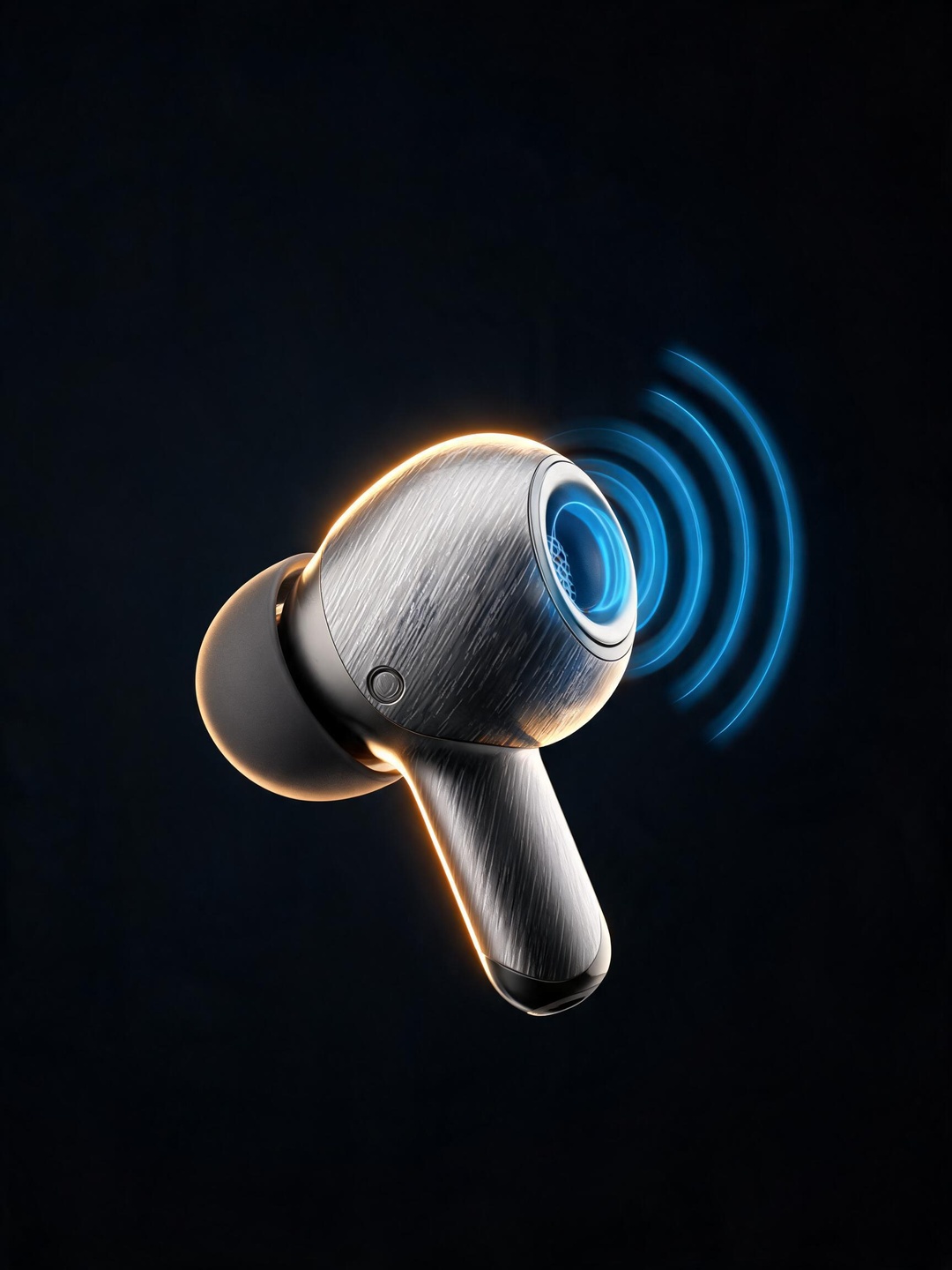
AI+3D animation's biggest advantage is visual information compression — product features are conveyed through visual effects in one go, understandable without voiceover:
- ▸ Noise cancellation → sound wave ripples as noise gets "absorbed"
- ▸ Waterproofing → water beads sliding off surface, inner glow shows dryness
- ▸ Fast charging → battery level visualized as flowing light speed
- ▸ Material upgrade → macro shots with material texture highlights
This visual information transfer is far more intuitive and persuasive than any text description.
Principle 3: The 30-Second Conversion Loop
After covering selling points in 10 seconds, the remaining 10-15 seconds complete the discovery-to-purchase loop:
- Lifestyle usage scenes (help users imagine owning it)
- Comparison showcases (before vs after upgrade)
- Limited-time/offer info (if applicable)
- Clear CTA guidance
A 30-second AI+3D product animation is a micro full-funnel discovery-to-conversion journey.
Platform-Specific Strategies
Douyin/TikTok, Kuaishou, WeChat Video, Reels — each platform has different user behavior and content preferences:
TikTok/Douyin: Rhythm Rules
- Must have a hook in the first second
- 7-15 seconds is the sweet spot
- Strong visual impact + high-energy editing
- AI+3D fit: High-contrast colors, fast cuts, layered effects
Kuaishou: Authenticity First
- Users prefer "real" content
- Products need real-life usage context
- AI+3D fit: Material realism prioritized, scene-based showcase
WeChat Video: Trust-Driven
- Social relationship chain distribution
- Longer content tolerance (15-30s)
- AI+3D fit: Brand storytelling preferred, stable and elegant
Reels/Shorts: Trendy Vibes
- Younger user base
- Follows hot trends and pop culture
- AI+3D fit: Strong stylization, bold colors, trending elements
The good news: core AI+3D assets (product 3D models, materials, scenes) can be produced once, output in multiple versions — adjusting editing rhythm, color palette, and copy for each platform's vibe. This dramatically reduces multi-platform content production costs.
Future Trend: AI Interactive Product Showcases
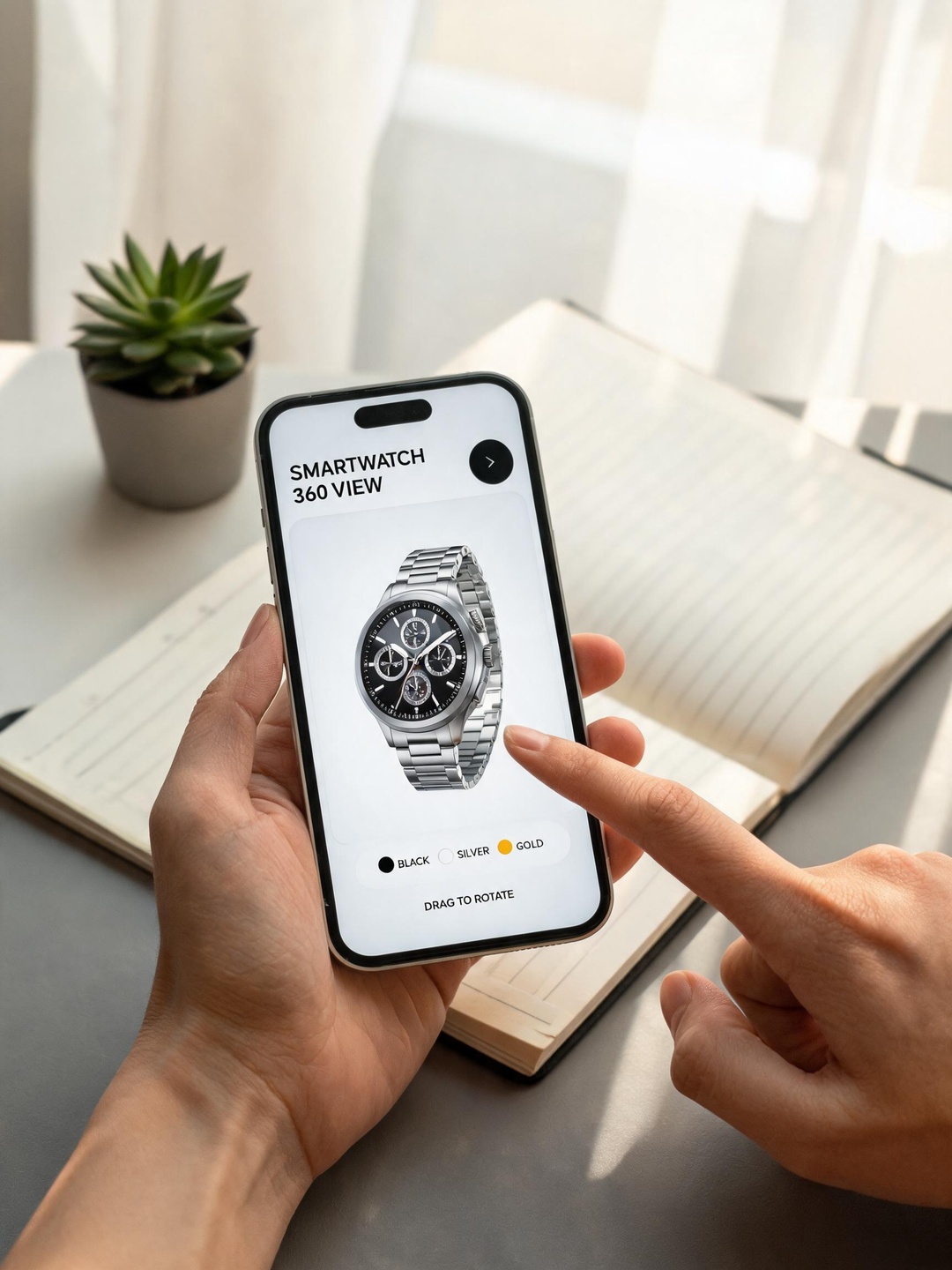
In the second half of 2026, early adopters are already experimenting with AI-driven interactive product showcase videos — where users can click within the video to switch product colors, rotate to view different angles, and even trigger feature demo animations.
This technology combines AI generation, real-time 3D rendering, and short video interactivity, upgrading product showcase from "watching" to "experiencing." Though still early-stage, it represents the final barrier between short-form content and e-commerce shopping breaking down.
Summary
- Short video has reshaped consumer attention — 3 seconds decides everything. Product showcases must shift from "complete information" to "3-second hook"
- AI+3D product animation is the best visual solution for the short video era — balancing visual impact, information density, and production efficiency
- Different platforms need differentiated strategies — but core 3D assets can be produced once and reused across versions
- Interactive product showcases are the next frontier — from "watching video" to "playing video," brand-consumer interaction will be reshaped again
The question isn't whether to make product animation — it's how to make consumers stop scrolling within 3 seconds. ARTSKY Studio specializes in AI+3D product animation, crafting high-conversion visual content for global e-commerce brands in the short video era.