
At 2 AM, the meeting room of a cross-border e-commerce company in Shenzhen was still lit. The operations director was staring at the live-action video with a frown — this was the third reshoot. Budget overrun by 30%, delivery delayed by half a month. This is not a joke — it's the daily reality for brands in 2026.
While live-action costs keep climbing — studios, models, props, post-production — consumer patience keeps shrinking. Meanwhile, in the past two years, we've watched AI+3D product animation quietly change the game.
Let's look at data from our clients: from 2024 to 2026, product listings with 3D animation saw a 40-60% lift in CTR, and conversion rates typically doubled to tripled. Especially for independent sites and crowdfunding pages, a polished 3D animation can turn "just browsing" into "buying". But numbers only tell part of the story. Here are the five trends that matter.
Trend 1: Live action is one-time consumption; 3D is compounding assets. With live-action, changing a color or angle means a full reshoot. With 3D, you own a model that can be endlessly tweaked — materials, lighting, angles, even new scenes. This is what we discussed in our article on how AI+3D is reshaping foreign trade marketing — 3D models are becoming digital assets for brands.
Trend 2: One model serves every channel. Brands now need content for e-commerce listings, short-video feeds, social posts, banners, and global platforms — each with different sizes and styles. A 3D model can output 16:9, 1:1, 3:4, 9:16 in seconds, with any background. A furniture client generated over a hundred assets from a single sofa model, covering six channels in one month — content that used to take six months.
Trend 3: AI+3D has slashed costs dramatically. Three years ago, a decent 3D product animation cost six figures, out of reach for SMBs. Today, AI-powered modeling, animation, and rendering have cut costs by an order of magnitude. Our own delivery time has shrunk from two weeks to two or three days. The visual game once reserved for big brands is now open to everyone.
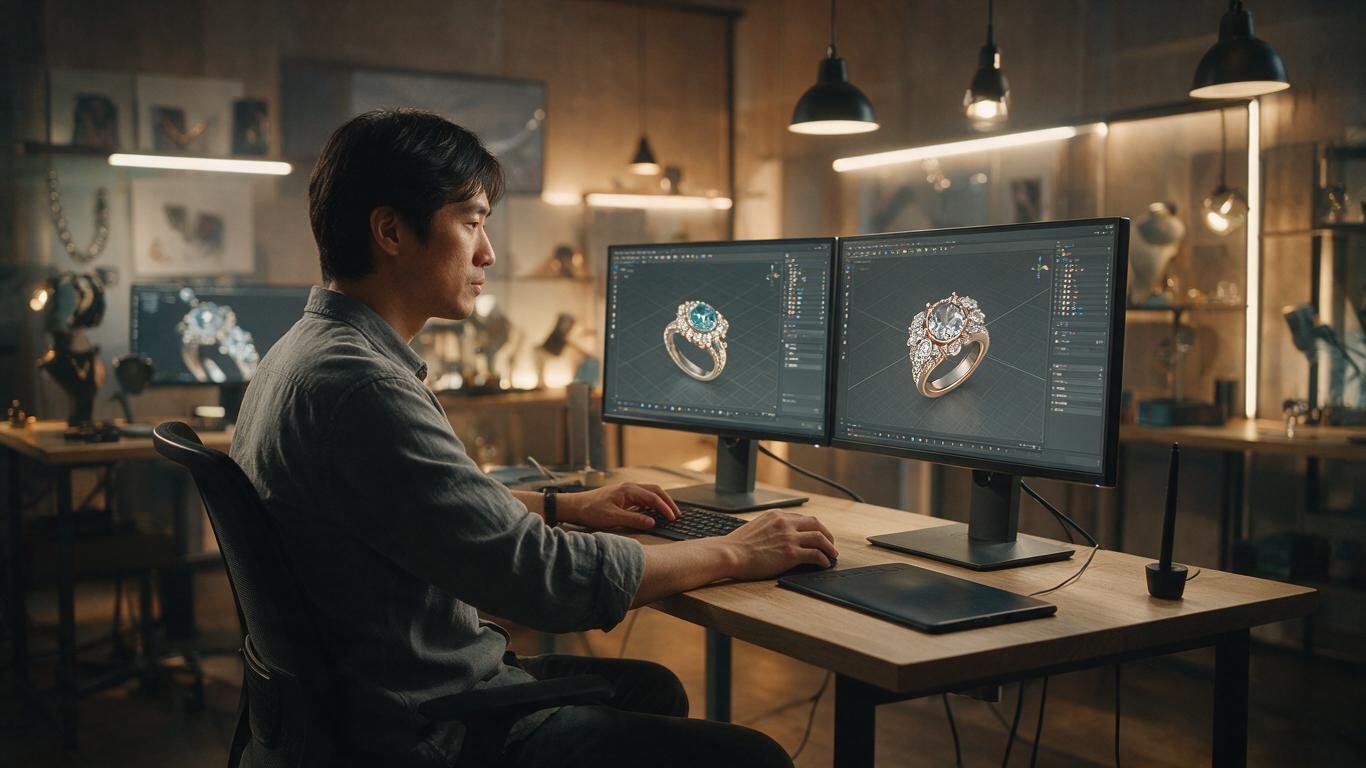
Trend 4: Interactive 3D/AR experiences are the new conversion engine. Consumers don't just want to watch — they want to "hold" the product before buying. More brands are embedding interactive 3D models with rotating, zooming, and color-switching. A jewelry client saw inquiries triple and returns drop after adding 3D spin-view.
Trend 5: Visuals are shifting from "marketing tactics" to "brand infrastructure". In the old mindset, product videos were disposable campaign materials. Today, leading brands treat 3D product animation like their website or logo — core infrastructure. A standardized 3D model library supports R&D, marketing, sales, and after-sales across the entire chain. That mindset shift is what truly signals product animation's arrival.
Honestly, at every industry expo, we meet brands still debating whether they should "do it". The answer is clear: live action has its warmth, 3D has its efficiency. Mature brands use both, but they're shifting more energy to 3D. If you're planning next year's visual budget, put product animation under "infrastructure", not "campaigns". That sentence alone could save you a fortune.


