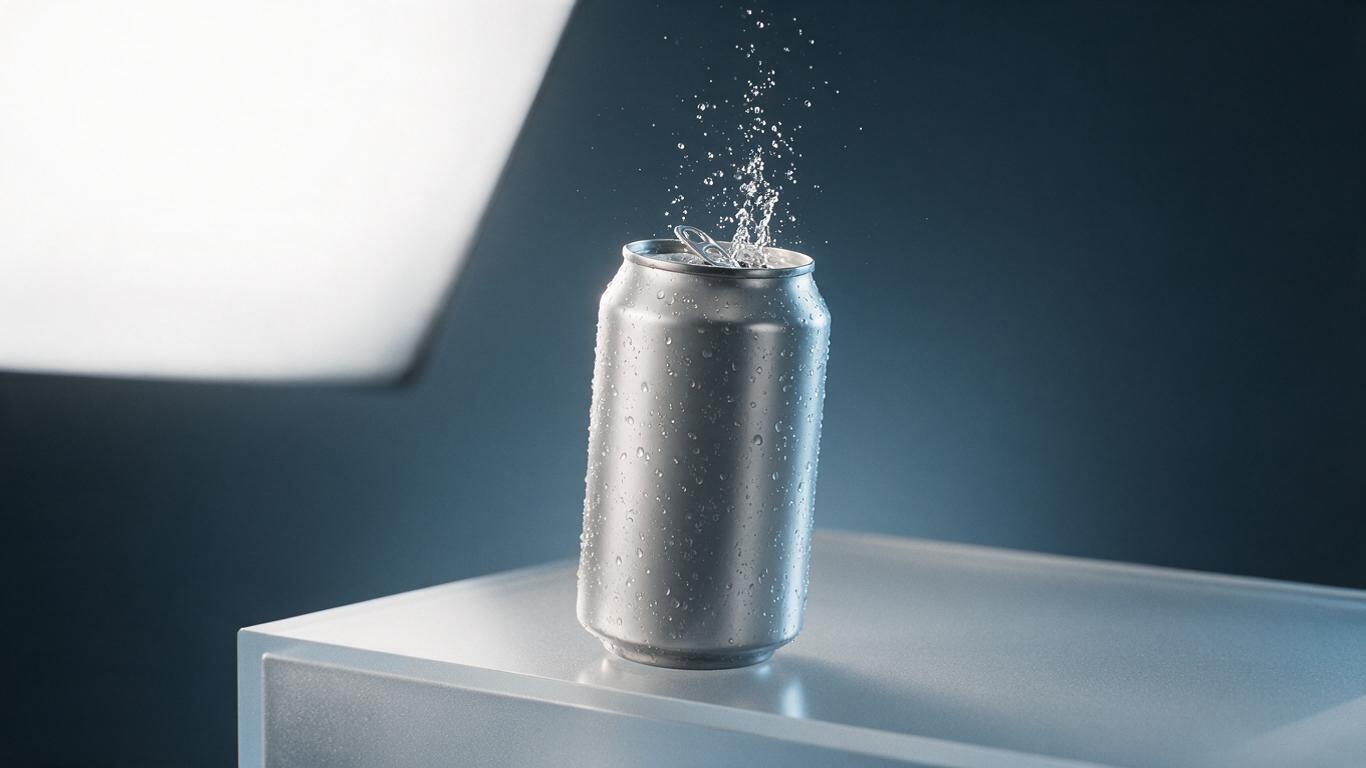
If a beverage brand only gets three seconds, what should consumers see? Not a celebrity, not a factory line, but an aluminum can being opened: the tab clicks, bubbles rise, condensation slides down the wall. That image sits at the center of today’s product animation trends—a shift from brand films to shelf films, from telling a full story to delivering recognition, desire, and memory in three seconds.
In our 2026 e-commerce visual trends report, we noted that platforms are rewarding content where the product is the first frame. Beverage brands are pushing this hardest. In the past six months, 3d animation production dongguan teams have seen more briefs that ask for “a three-second can opening, then a six-second cut, a three-second cut, and still frames” instead of a 30-second TVC. This is not a smaller budget; it is a different distribution logic. Feeds do not give you a setup, and shelves do not give you a backstory.
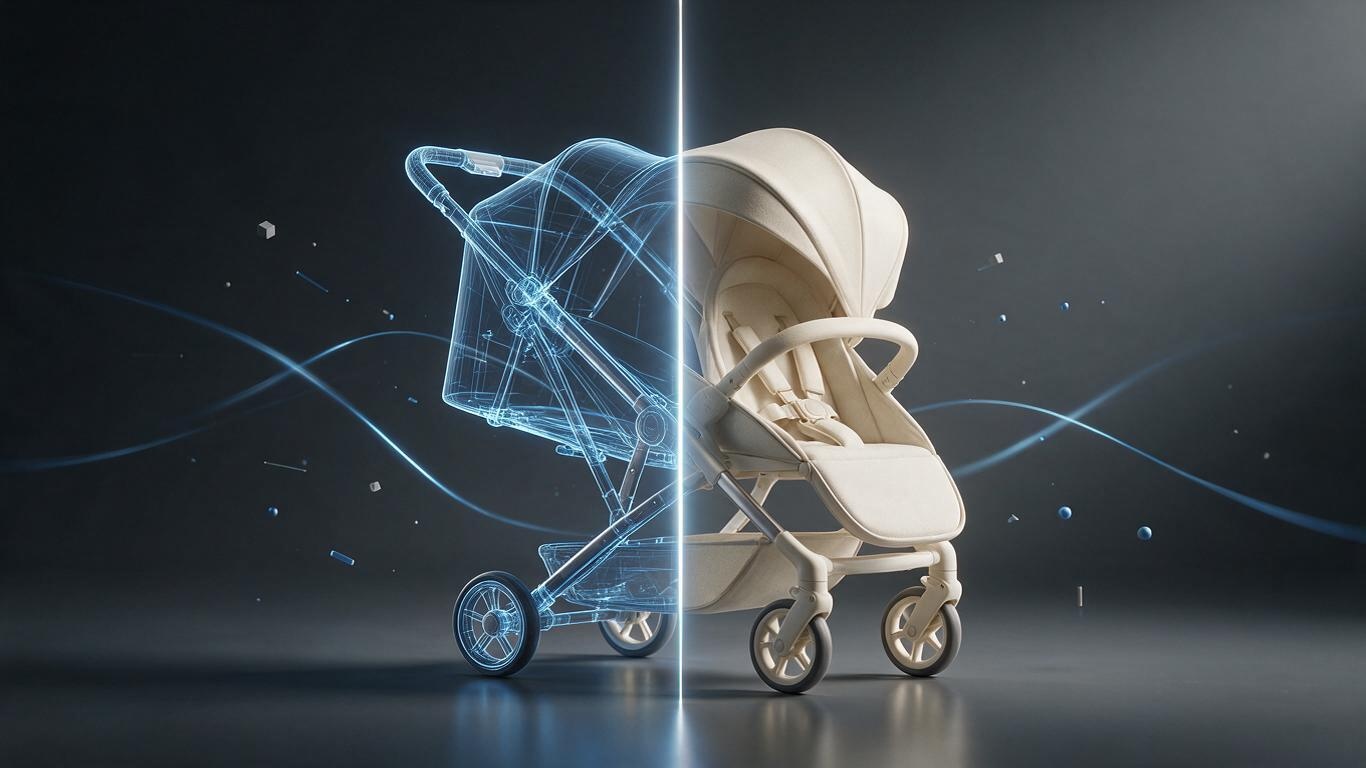
So the core of this trend is not “more spectacular.” It is “more believable, in less time.” Live-action can opening is real, but one shoot rarely gives you a can with no fingerprints, perfect condensation, a clean background, and instant flavor or pack variants. This is where AI+3D earns its place: AI helps with style frames, storyboard sketches, and label texture variants; 3D controls can deformation, liquid volume, and bubble density. Turning “real” into adjustable parameters is the real technical divide in this wave.
Three seconds, four physical layers
Many people assume a can-opening animation is just “pull the tab, add bubbles.” In production, it breaks into at least four layers: the metal memory of the tab, the tiny deformation at the can opening, the shear of liquid pulled by negative pressure, and the distribution of condensation and bubbles. If any layer is off, viewers may not name the problem, but their thumb will scroll. In our food and beverage 3D animation case, we saw the same lesson: people have strong physical memories of eating and drinking, so believable motion matters more than pixel count.
From one film to a reusable shelf asset library
The bigger change is organizational. A product animation used to be a project; now it is closer to an asset library. Can models, liquid parameters, condensation layers, lighting presets, and label planes are managed separately, then assembled into 9:16, 1:1, and 16:9 cuts, or 15-second, 6-second, and 3-second edits. The advantage of 3d animation production dongguan is not only cost. The Pearl River Delta has packaging printing, can prototyping, and cross-border logistics nearby, so animation teams can get accurate structures and physical references faster. We explored a similar shift in the short-video product showcase revolution: content is no longer disposable; it is re-combinable production material.
The next divide: not a blockbuster, but an interactive shelf
My read is that product animation trends will move in two directions. First, versioning: one can-opening action must become dozens of platform cuts within a week. Second, interactivity: AR shelves, rotatable cans, and flavor switching will become standard on independent sites and in-store screens. Both depend on standardized 3D assets. When choosing a vendor, do not only ask “can you make one film?” Ask “can you keep the physics believable and still give me twenty versions fast?” If you are planning next year’s beverage visual assets, contact us and let’s start with one three-second can opening.