If you are still evaluating this industry by asking whether AI can make animation at all, you are roughly one release behind. In the second half of 2026, the real dividing line in the AI 3D animation industry is not whether a model can generate frames. It is that 3d animation production has split into two halves: one handed to the model, one reserved for human judgement. Most teams have only upgraded the first half.
Here is a number set from our own studio. Across projects delivered in the first three quarters of this year, average front-end modelling time per film dropped roughly 62%, while the number of reusable assets generated from the same product asset — multi-angle stills, exploded views, parametric variants, short-form cutdowns — grew three to four times. Time did not turn into margin. It was reallocated into things that can be reused. That is the most honest description of the AI 3D animation industry right now: the deliverable itself is changing shape.
So this piece is not a tool list. It is about what appreciates and what depreciates once the barrier to 3d animation production is flattened — and how a brand should re-read the market in Q4 2026.
Shift one: from delivering a film to delivering an asset set
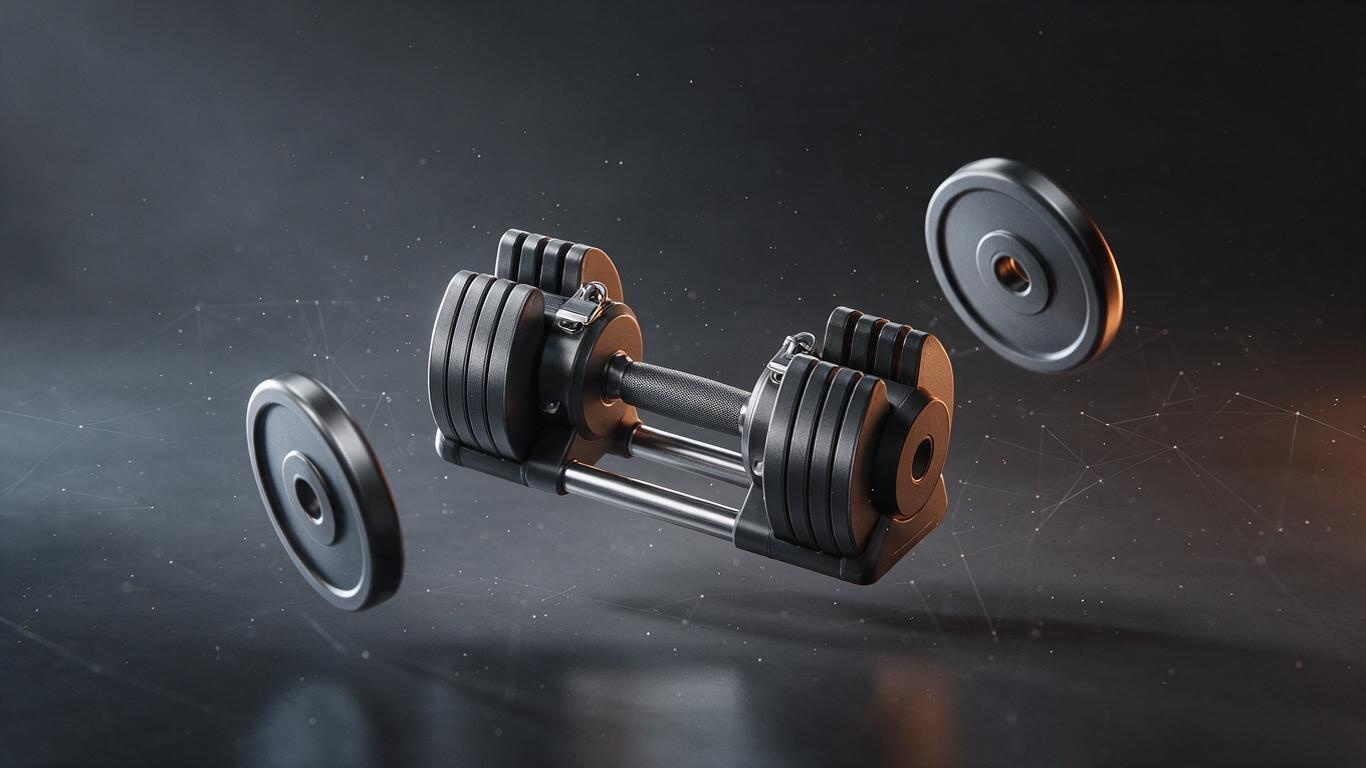
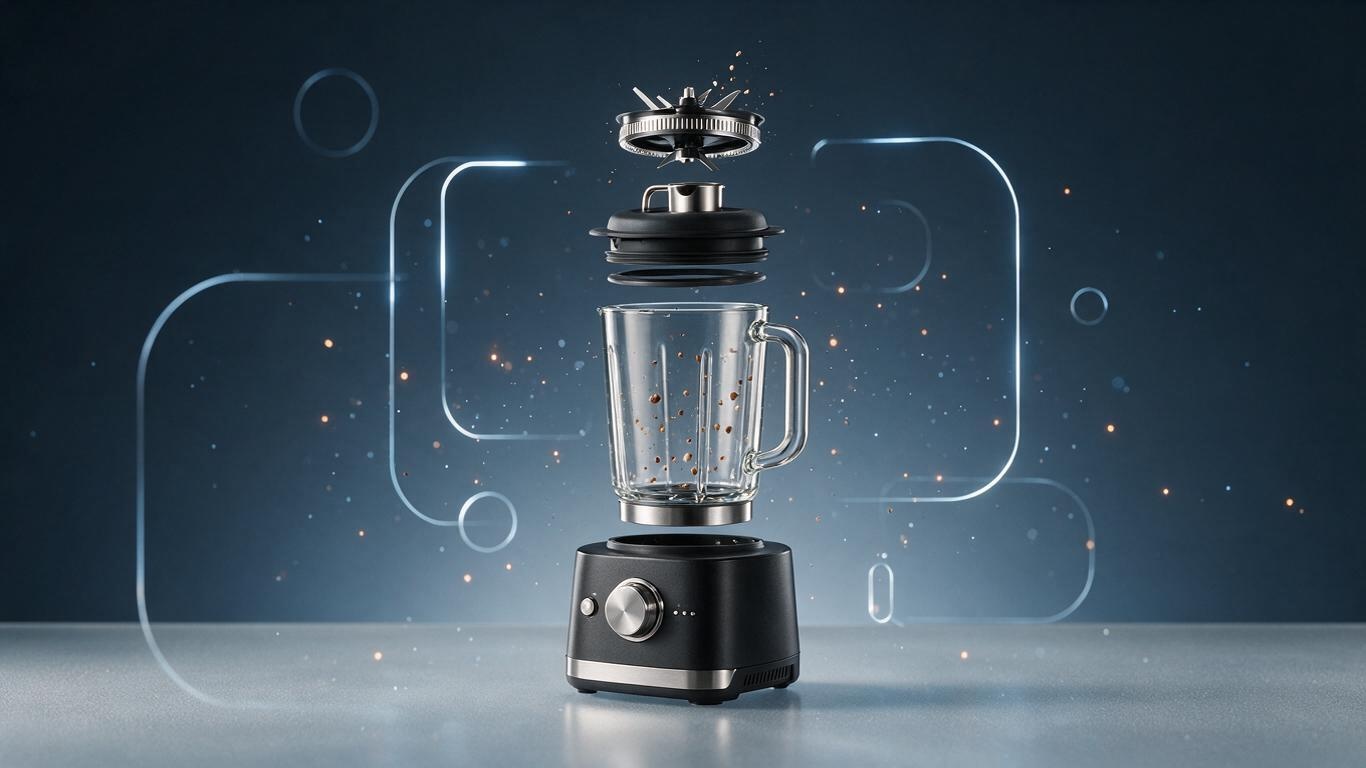
A few years ago the brief was “I need a 30-second product video” and the deliverable was an MP4. Today more clients open with “I need a set of assets that can carry a full year of content.” Those two sentences imply completely different cost structures. In the classic pipeline — model, texture, light, animate, render — every camera change triggered another full pass. With a high-fidelity digital product asset in place, one product line can now spawn a landscape TVC cut, a vertical short-form cut, detail-page exploded views, AR display and looping motion for retail screens. The marginal cost curve of 3d animation production is moving from “every new cut is a new cost” to “the first one is the expensive one.”
The practical implication for brands is blunt: stop buying by the video, start buying by the asset pack. Asking “how many derivatives can this shoot produce” is worth more than asking for a discount.
Shift two: AI removed execution cost and raised judgement cost
There is a widespread misread that AI lets everyone make animation. What actually happened is that things which look like animation became extremely cheap, which makes judgement the scarce input. On the same AI-generated shot, someone who knows the product can spot a wall thickness that is wrong, a hinge angle that violates physics, a surface that reads as plastic while the copy says stainless steel. None of these break the render. They just make viewers quietly stop believing it. Product animation does not sell pixels. It sells trust.
That is why we weight industrial and product literacy so heavily when evaluating teams. For the specific criteria, see our earlier breakdown of the four dimensions brands use to choose an AI 3D animation vendor. The technical bar fell. The taste and engineering bar rose.
Shift three: delivery cycles moved from months to weeks
Last year a mid-to-high complexity product film averaged 28 to 35 days. Our internal average this year is 9 to 14 days, with 3 to 5 days possible for urgent work. Shorter cycles change buying behaviour: fewer large annual budgets, more small high-frequency tests. Ship one film, read the data, scale what works. Teams built for small-batch iteration will thrive; teams that can only run one big project a year will struggle.
Content strategy accelerates to match. In our 2026 e-commerce visual trends report we argued that refresh frequency has itself become a competitive advantage, not just asset quality. That rule shows up sharply in 3d animation production: whoever has the deeper asset library can produce in a week what others produce in a month.
Three verifiable signals of a team that actually operates this way
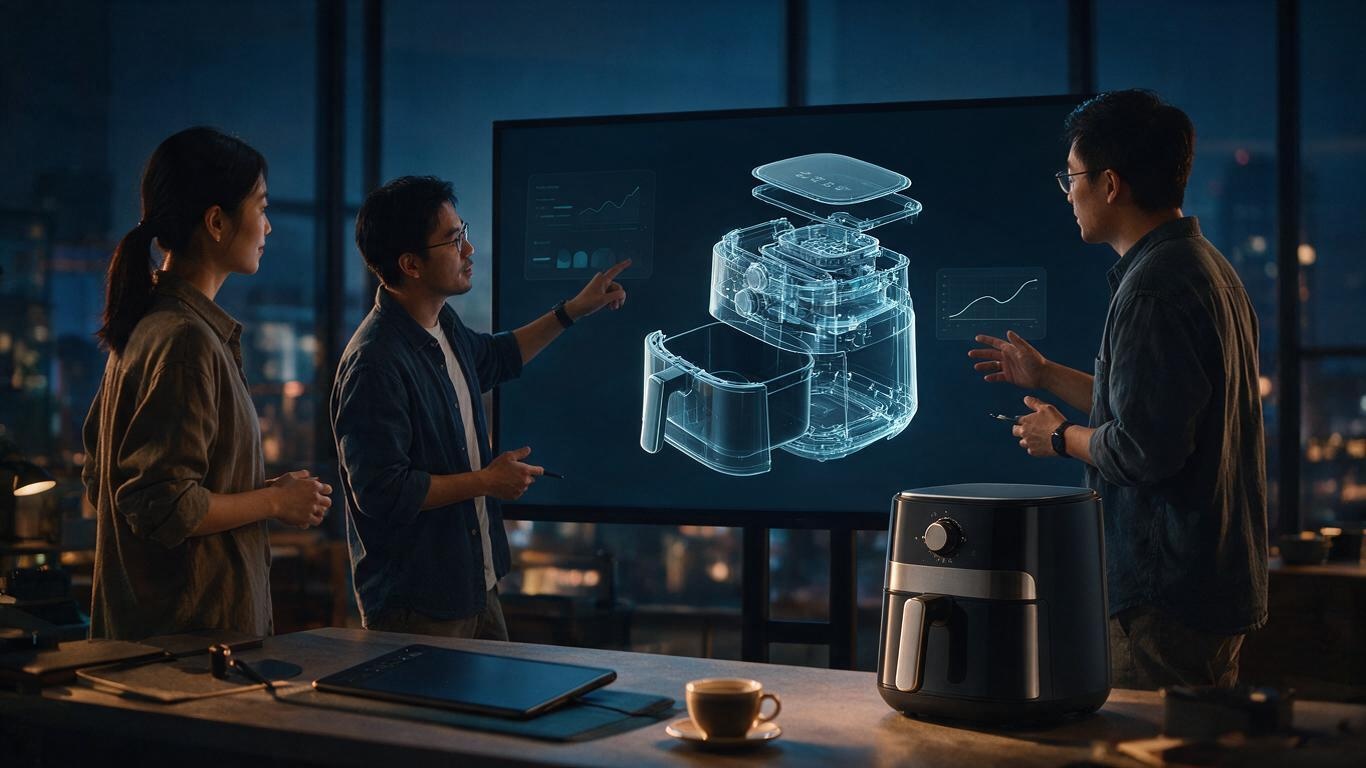
One: ask to see the asset library. Real AI+3D teams have reusable product assets and scene libraries, not a fresh start on every project. Two: ask to see unfinished work. A team willing to show grey models, exploded views and mid-process frames usually controls its pipeline; a team that only shows a polished reel is gambling. Three: listen to the questions. A mature studio spends the first ten minutes asking what the product needs the viewer to believe, not how many seconds and which style. If you are mid-selection, our live-action versus AI+3D workflow comparison shows where the two paths actually diverge.
The takeaway
The question worth worrying about is not whether AI replaces animators. It is whether your content still gives people a reason to look twice now that 3d animation production is cheap and fast. Tools will keep updating. Judgement will not.
If you are planning next quarter's product content, or want to know which asset structure fits your category, contact us — talking about a real product beats talking about trends.