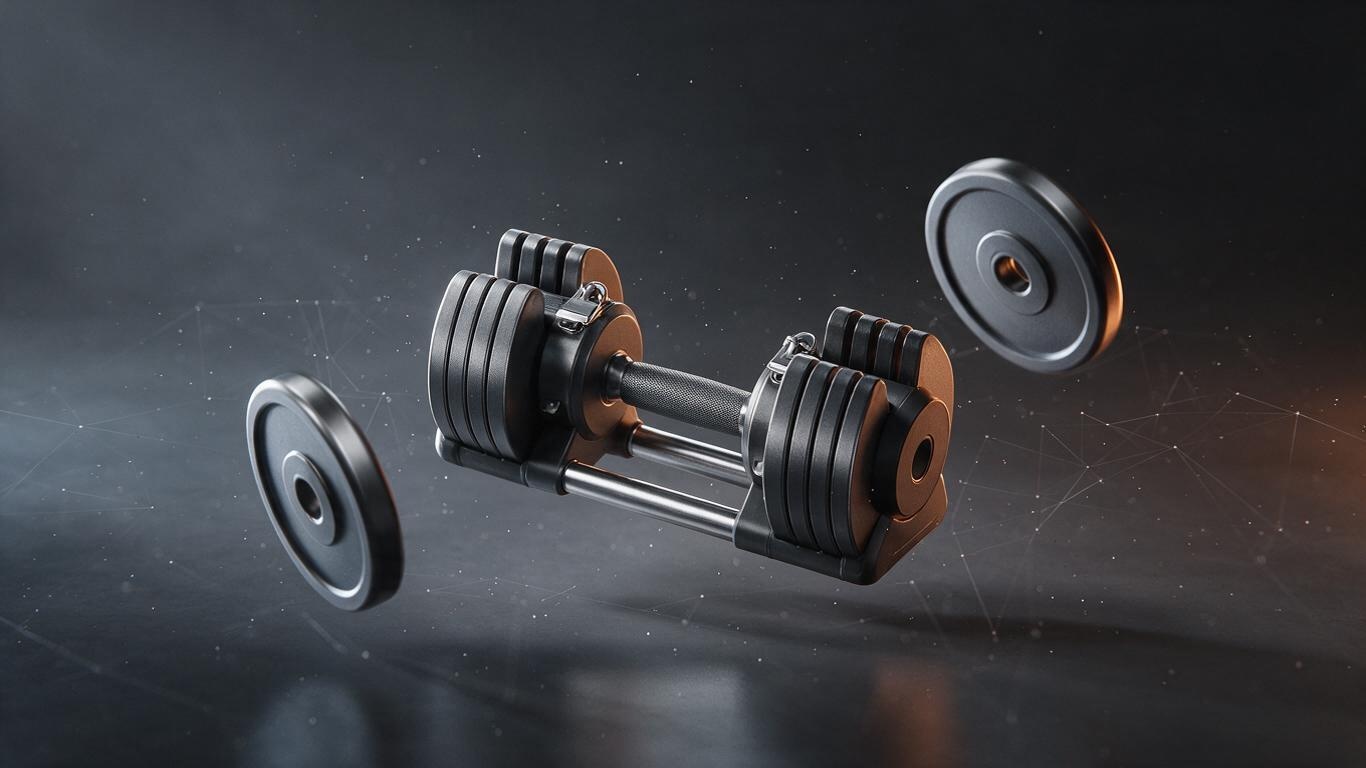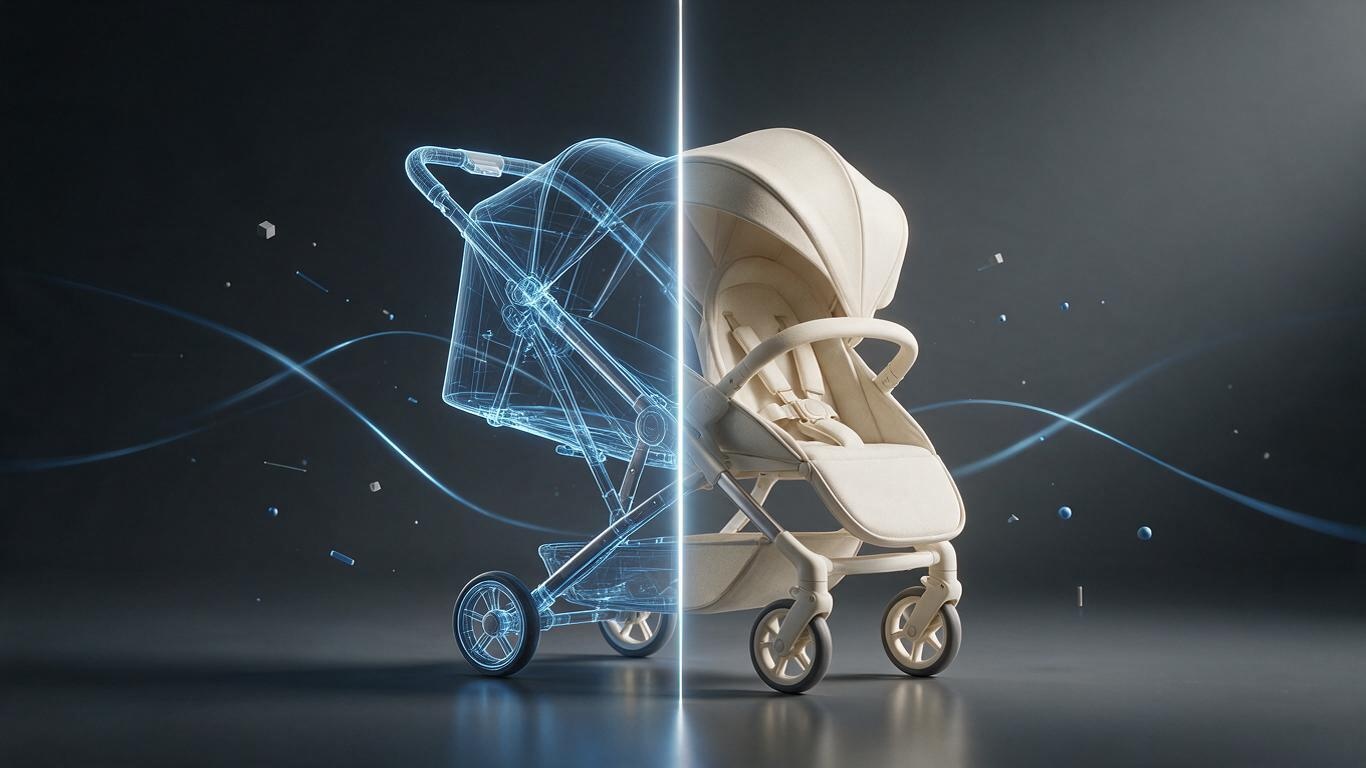
Last week, a small-appliance manufacturer from Dongguan sat in our meeting room and slid his phone across the table. On screen was a competitor’s “cyberpunk-style” product animation: mechanical parts exploding and reassembling, metal fragments flying, camera moves so flashy you could barely see the product itself. He asked, “This looks impressive. Should we make one like it?” I asked him back, “After watching it, can you tell me which selling point it was trying to communicate?” He paused for two seconds, then smiled.
That smile tells the story of what the AI 3D animation industry is going through: the scarcity of technology is fading fast, and understanding business is becoming the new moat. Our studio is based in Dongguan, and for the past two years we did enjoy the dividends of being early adopters. But by 2026, every quote, every review session and every repeat order has confirmed the same conclusion: brands no longer pay for “wow”; they pay for “what works.”
Most of the brand clients we meet here in Dongguan are the most pragmatic people in China. They don’t ask which engine or which model we use. They ask three questions: Do you understand my product? Do you understand the platform where I publish? Can you deliver on schedule? These simple questions happen to expose the weak spots of many “technique-first” teams across the AI 3D animation industry.
Capability #1: Understand the selling point - translate specs into feelings
Many studios produce work that is visually flawless, yet after watching it you can’t remember what the product does. The problem is treating animation as a piece of art rather than a sales tool. A team that truly understands selling points will ask before modeling even starts: why should a customer buy yours instead of the competitor’s? Is it faster rotation, a brushless motor, tool-free cleaning, or a 99-second cook time? Then they magnify that one reason right in front of the viewer’s eyes.
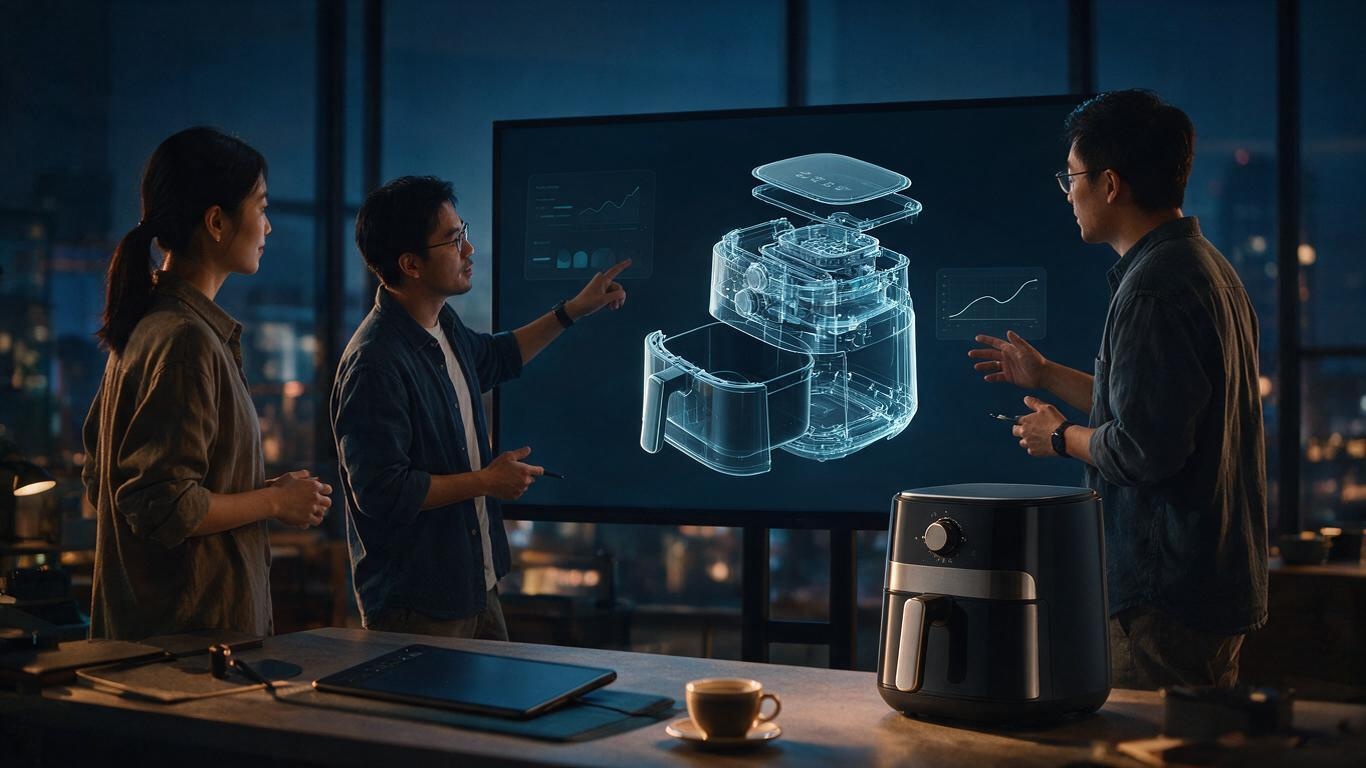
A personal example: this year we remade the main product video for a Dongguan air fryer brand. Their old footage showed everything - sleek design, large capacity, smart menus - and communicated nothing. We focused on a single point: “no flipping needed.” Using a 3D cutaway, we visualized the hot-air circulation path, pushing the camera from inside the fryer to the crisp surface of the food, telling that one story in seven seconds. The new video significantly lifted the detail-page conversion rate. Understanding selling points is not an adjective; it’s a verb.
Capability #2: Understand platform traffic rules - factor algorithms into the creative stage
This is the capability most easily ignored by tech-driven teams: the platform is the context. The same 3D animation may lose on Douyin due to completion rate yet win on Tmall thanks to conversion rate; on Amazon, buyers want to see real proof, while on crowdfunding pages they want a vision of the future. Studios that keep earning repeat business in the AI 3D animation industry have developed a “platform-first” habit: decide the launch channel before storyboarding, then lock down aspect ratio, pacing and information density.
For example, in a Douyin in-feed ad you have a golden 3-second window before the user’s thumb swipes away, so the first two frames must hit the most counterintuitive selling point. On Tmall, however, main product videos are often watched on mute with autoplay, so we place bold text labels within the first three seconds instead of hoping viewers turn the sound on. The same 3D assets require a different edit on every platform - that’s not a post-production tweak; it’s a decision that must be made at the script stage.
Capability #3: Deliver reliably - a guaranteed schedule beats a spectacular demo
This third point is unglamorous but the most valuable of all. Another feature of the AI 3D animation industry in 2026 is the flood of one-person studios with rock-bottom prices and rock-bottom delivery rates. Many brands have tried the cheap option, then come back to us saying: “Money is not the problem. Uncertainty is.”
A brand’s marketing calendar is fixed: the new-product launch date, the pre-sale promotion, the crowdfunding deadline. Miss one milestone and you jeopardize an entire campaign. Reliable delivery, in essence, means helping clients keep their commercial promises. Inside our studio, we run capacity like a factory production plan - every project has defined milestones, model-review dates, first-draft dates and a built-in buffer for revisions, all written into a schedule. Living in a manufacturing city has instilled a simple instinct in us: delivery dates equal credibility.
None of these three things is directly about how flashy the technology is, yet they are what brands truly pay for - again and again - in 2026. A quiet reshuffle is happening in this industry: on one side, teams still flexing their technical muscles with ever-more-impressive showreels but fewer orders; on the other side, companies that have studied products, platforms and delivery to the bone, quietly hitting 70-80% repeat-purchase rates. Technology still matters, but it has been downgraded from an entry ticket to the baseline. When every team has AI in its hands, the value you create for a brand depends only on how well you understand its business.
Seen from first-tier cities, Dongguan is often called “the world’s factory.” In our view, the brand clients in this city are giving the AI 3D animation industry the most practical lesson of all: treat animation as business, not as an art exhibition. If you are evaluating an animation supplier today, put the showreel aside for a moment and ask, “How exactly are you going to help me sell products with this video?” If they can answer that, then talk style. For more criteria on picking a vendor, read our earlier article: How Brands Choose AI 3D Animation Vendors: 4 Decisive Dimensions.