
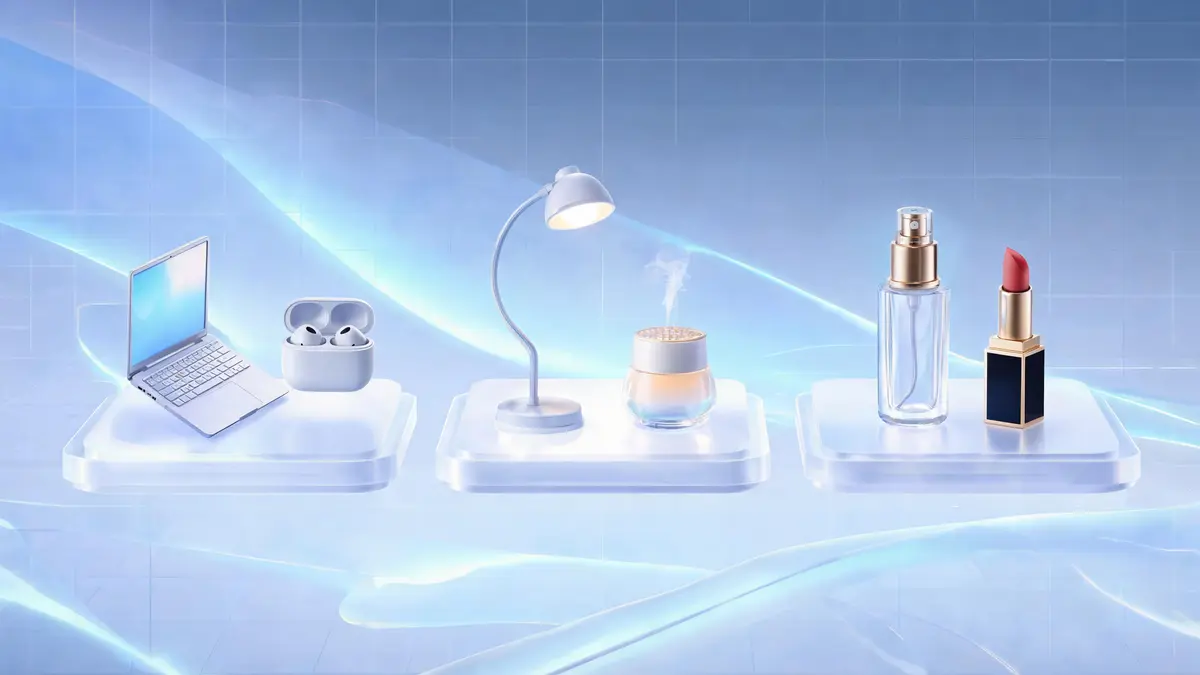
At 2 AM, Xiao Chen, an operations manager, received a WeChat from his boss: "Next month's promotion, we need videos for three new products by tomorrow. Just one version first." He stared at the scheduling sheet—the photographer wasn't available until next week, and studio rentals were fully booked. This isn't a fictional scene; it's a story I've heard from at least six cross-border sellers in the past three months. When platform algorithms push product video weight to unprecedented levels, the production bottleneck of traditional filming is choking many sellers.
Halfway through 2026, if you're still making product videos the 2021 way, you might already be behind. I've been tracking industry data for the past six months: Amazon now requires product videos in A+ pages as standard; TikTok Shop ads with product animation see click-through rates 73% higher than static images; Shopify stores with 3D interactive displays boost average dwell time by 45%. These numbers all point to one signal: the bar for visual competition is being completely rewritten by AI+3D product animation.
Let's start with the most sensitive nerve—cost. Last year I helped a Shenzhen 3C seller run a comparison: filming one product video traditionally—from sample shipping, lighting setup, shooting, to post-production—costs about $110–200 per piece with a 5–7 day turnaround. Using our AI+3D workflow, the average dropped to $40–70 per piece with a 1–2 day turnaround. And the cost of revision is almost zero—changing a color or angle only requires parameter adjustments in the 3D scene. That seller later cut their annual product video budget by half while tripling output. This isn't just saving money—it's transforming visuals from a cost center into a growth lever.
The efficiency gap amplifies terrifyingly during sales events. Last week a home goods client was frantic—they needed 10 variant videos (different colors, different arrangement) for a bestseller. Traditional filming would require new setups, reshoots, and re-edits—at least two weeks. Using AI-generated 3D models plus scene templates, we delivered 10 completely different animations in three days. The best part: these 3D assets can be reused for subsequent TikTok clips, Facebook ads, and even offline exhibition screens. Model once, reuse infinitely—that's what "new infrastructure" really means.
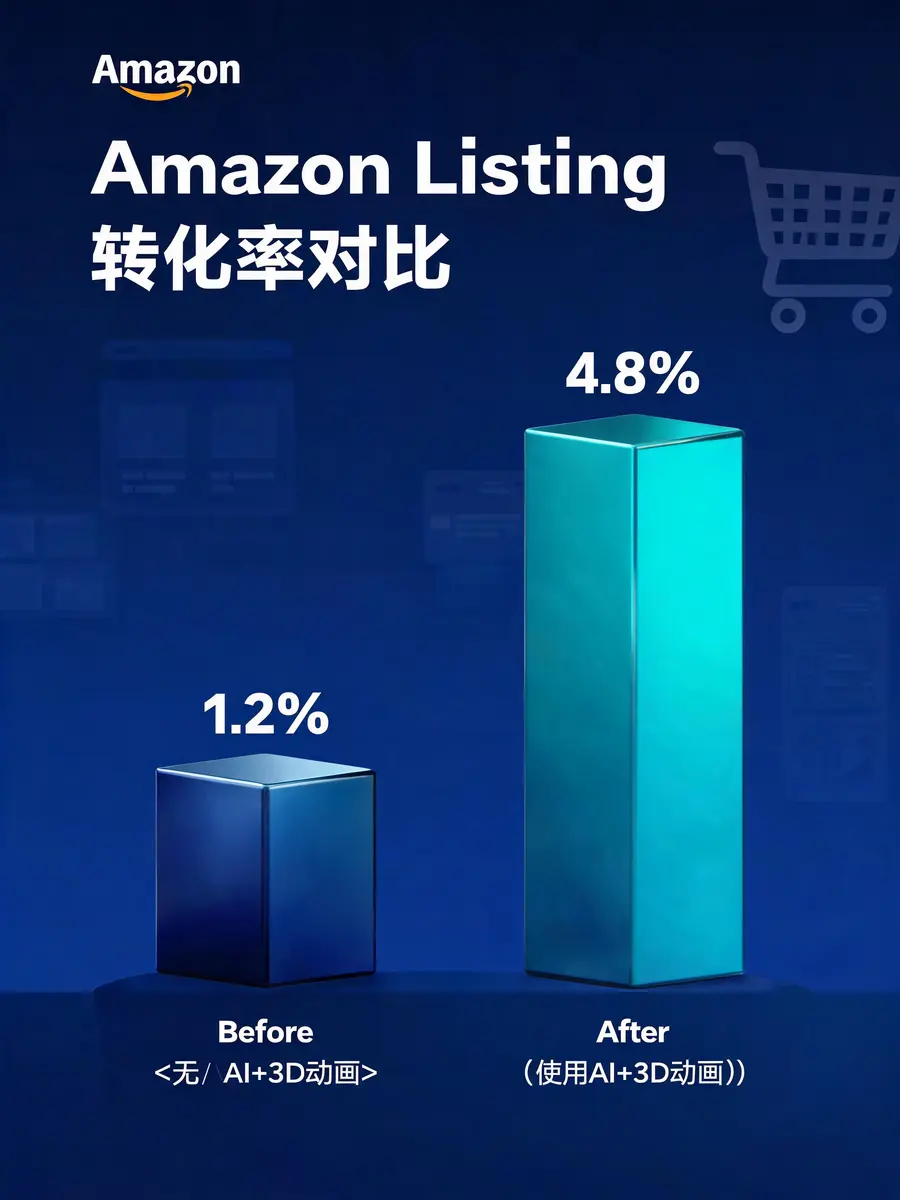
But what excites me most isn't cost or efficiency—it's the ultimate metric: conversion rate. We tracked 12 client cases and found that after switching to AI+3D product animation, Amazon listing conversion rates increased by 2.3 to 4.8 percentage points. For example, a kitchenware product that demonstrated "scratch-resistant" and "easy-to-clean" features in dynamic 3D saw its ad ROAS jump from 2.1 to 5.7. The reason is simple: consumers no longer need to imagine the product—they see it with lighting, motion, and storytelling. This trust is irreplaceable by any copy.
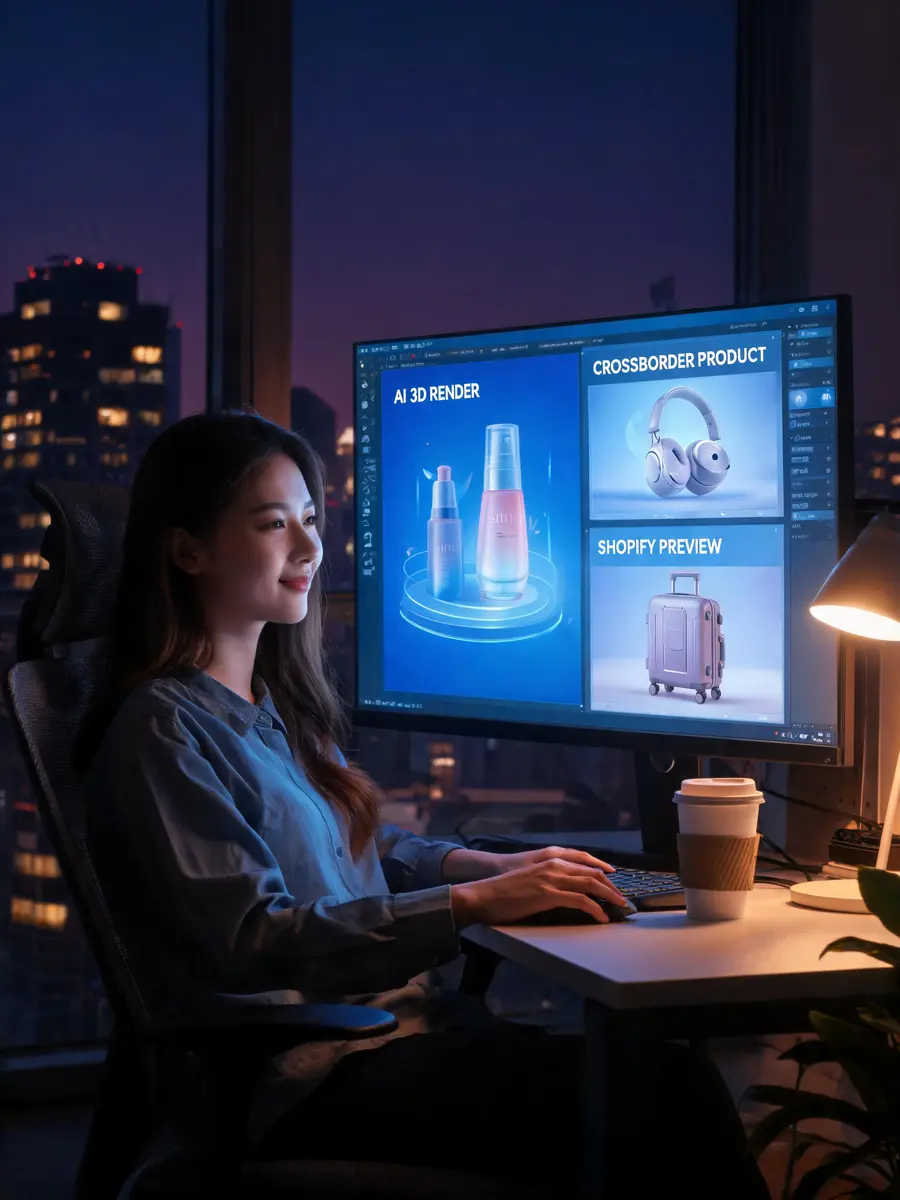 Of course, this trend didn't appear out of nowhere. Last year in "How AI+3D Is Transforming Foreign Trade Marketing", I discussed early experiments. Today, AI+3D has moved from "novel toy" to "standard tool." I've noticed an interesting pattern: early adopters were mostly from 3C and beauty categories, but now traditional categories like industrial machinery, outdoor furniture, and pet supplies are rapidly catching up. Not only is the technology more mature, but consumers have been spoiled by high-quality visuals—if your competitor uses cinematic 3D animations while you still use phone-shot videos, your customers' fingers will honestly scroll away.
Let me end with one thought: the industry is undergoing a fundamental shift—product animation is no longer a luxury but a necessity. To sellers still hesitating, ask yourself: when your customer opens a 3D product page, rotates it 360°, examines material details, and even places the furniture in their living room via AR, how many seconds can your static JPG hold their attention? The cross-border e-commerce visual battle for the second half of 2026 has already begun, and AI+3D product animation is the shortest shortcut.