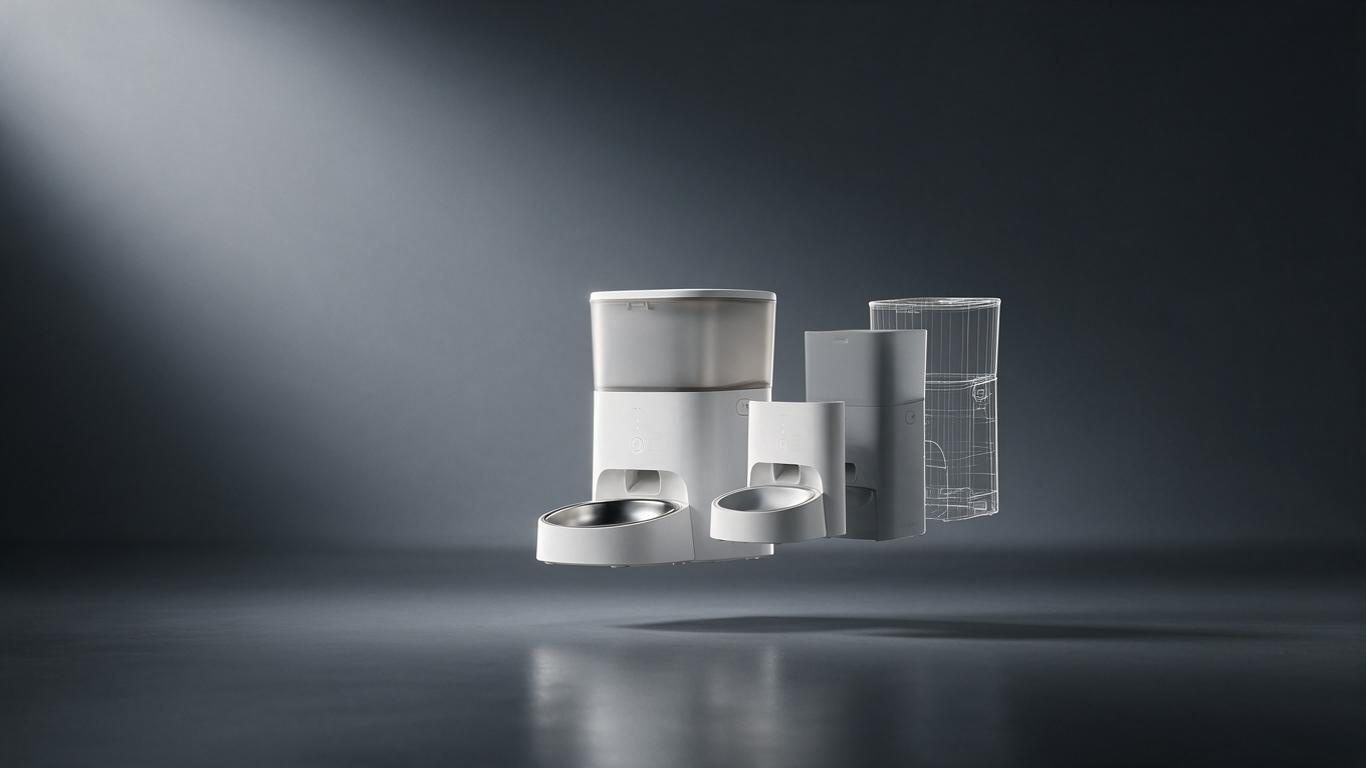

It's 9:40 on a Thursday night and the meeting room lights are still on. Three monitors: one rendering a side view of a baby stroller, one waiting on a looping motion pass, the third holding a client email — "we need the first cut for TikTok by noon Friday." That was the seventh ai 3d animation production project of our week, and the first time we pushed the whole chain into 48 hours.
Let's define the boundary first. The 48 hours cover "client assets in hand → final file delivered." Two years ago, a project of the same complexity took 25 to 30 days of 3D animation production scheduling. Even last year, with generative tools in the mix, it ran 7 to 10 days. The time didn't come from overtime. It came from taking the pipeline apart and rebuilding it.
People often ask where ai 3d animation production actually gets its speed. My answer: it removes repetitive labor, not judgment. Judgment has become more expensive, not less.
Four stages, one job each
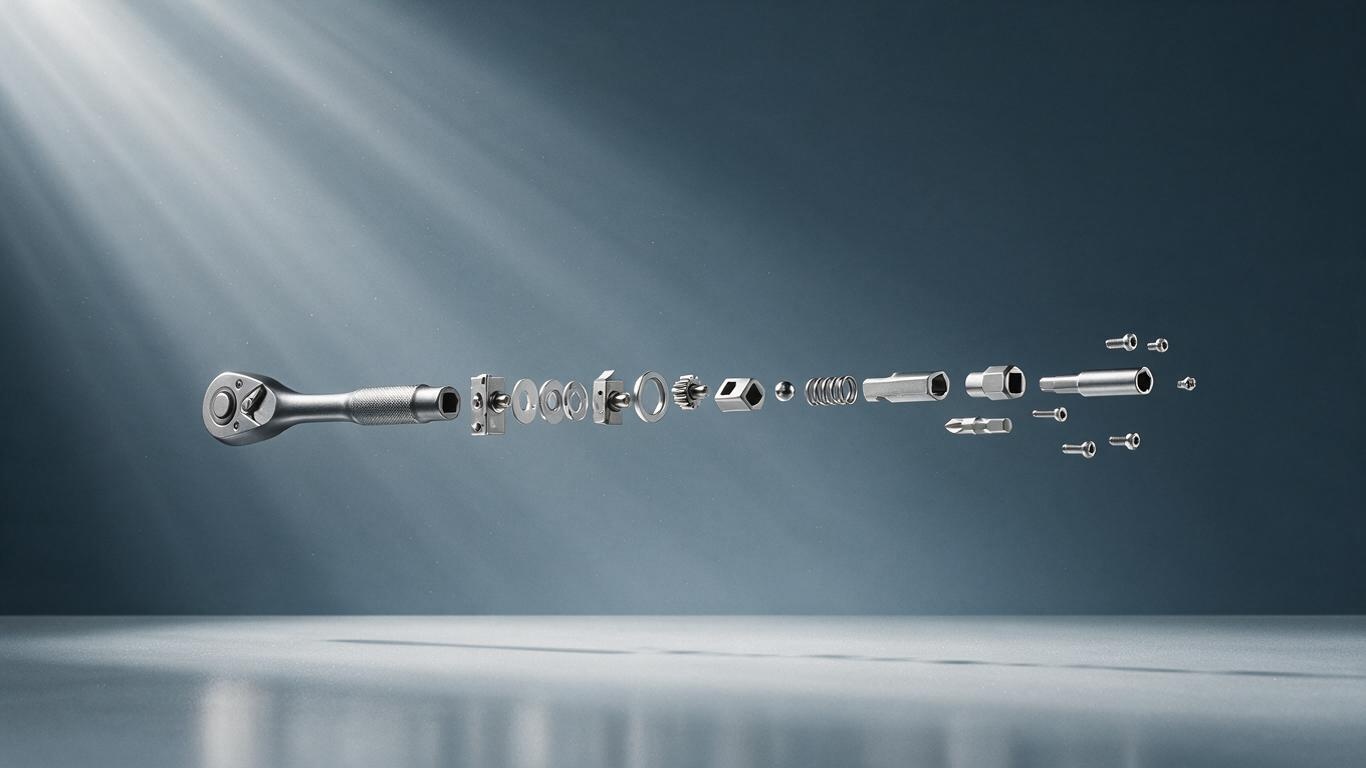
Stage one, 1–2 hours: assets. Physical samples, drawings, packaging files and color standards land in one folder and get normalized — units aligned, surface parameters locked, movable structures tagged. Skip this and everything downstream falls apart.
Stage two, 4–6 hours: scene. Lighting, camera positions and environment reflections are finalized here in one pass. Generative tools let us test six lighting directions in half an hour, the team picks one, and we stop revisiting it. We broke down the difference against the old approach in from live action to AI+3D: a workflow comparison.
Stage three, 6–8 hours: motion and pacing. This is the most human part. How the product turns, when the camera stops, which second is left empty for a caption. A tool can offer a hundred motion curves, but only a director knows which one makes viewers understand "this stroller folds one-handed in three seconds."
Stage four, 6–8 hours: QC and versioning. Three checks — does the structure match the real product, does the motion obey physics, is there any stray mark or text in frame. Then we output vertical, horizontal and square cuts, still key visuals, plus English, German and Japanese subtitle versions in one go. What actually got compressed was the rework loop that used to live here.
Fewer people, more expensive seats
Four people made this film: a director who doubles as art lead, a technical artist, an animator, an editor. The same job used to take eight to ten. That doesn't mean the bar dropped. A technical artist now has to understand both the limits of the generative tools and the logic of an industrial structure — to translate "that latch is wrong" into an executable instruction. Hiring is harder than it used to be. That's the honest version.
Inside the studio we call it a small-crew model. If you want a messier, more day-to-day view of how that crew operates, read a look inside the ArtSky studio.
The hard part isn't generating. It's being *this* product.
Baby products leave almost no room for error. If the curve of a bottle body is off by two millimeters, mothers spot it. If a stroller joint is drawn wrong, someone screenshots it in the comments. So we set one hard rule for AI: every generated frame must trace back to a real photo or an engineering drawing. If it can't, we redo it.
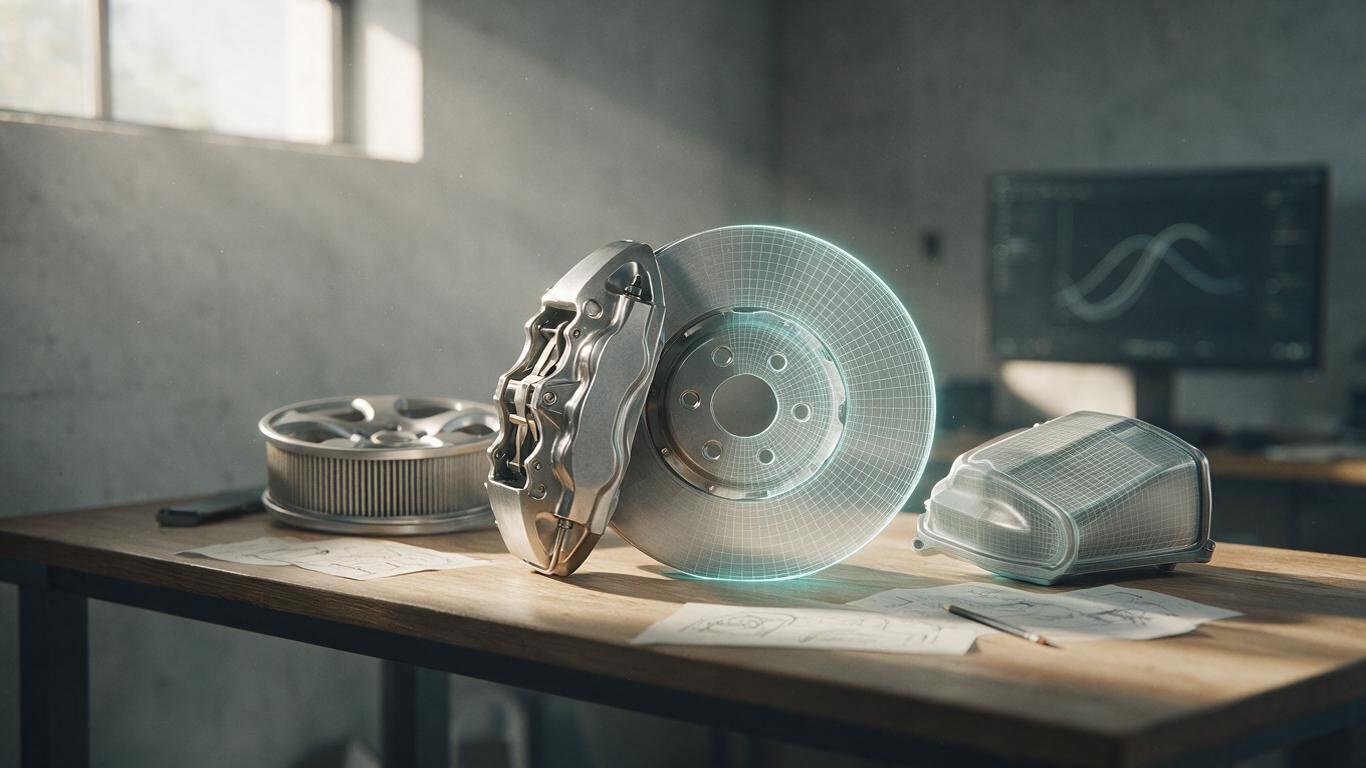
To hold that line we run a structure-anchoring pass before the scene stage — six key angles from the actual product become comparison baselines, and we pull frames against them after every animation pass. It costs hours. It's also the difference between "looks similar" and "that's the product."
What changed on the client side
The more interesting shift isn't on our side. Clients used to make one product film a year — concentrated budget, careful decision. Now they need three versions in a week: paid-traffic cut, product-page cut, creator-collab cut, with color and accessory changes on demand. Speed isn't us showing off; it's the media plan forcing it.
Earlier this year we documented the 30 days when we delivered 12 AI+3D product animations. It felt like the limit at the time. Looking back, it was just training our parallel capacity.
Why 48 hours isn't our selling point
Because not every project fits it. Complex mechanical motion, multi-product choreography, or anything requiring live-action compositing still runs on a weekly schedule. Turning an outlier into a promise is how studios let clients down.
What we actually want to say is this: once the mechanical part of 3D animation production is carried by tools, the hours saved should go into judgment, not into taking more orders. We're still figuring that out. If you have a project and want a realistic timeline, contact us — we'll ask about your assets before we quote a duration, rather than opening with a number that sounds good.