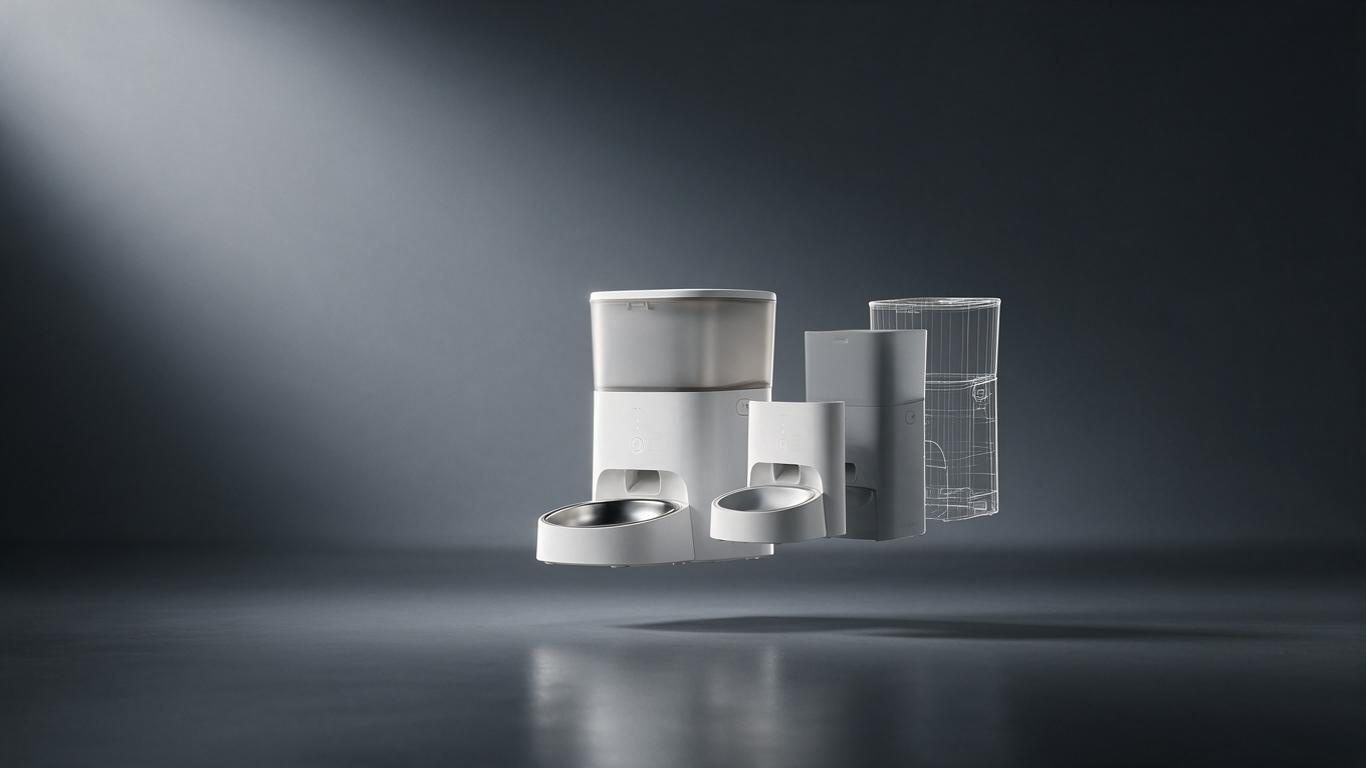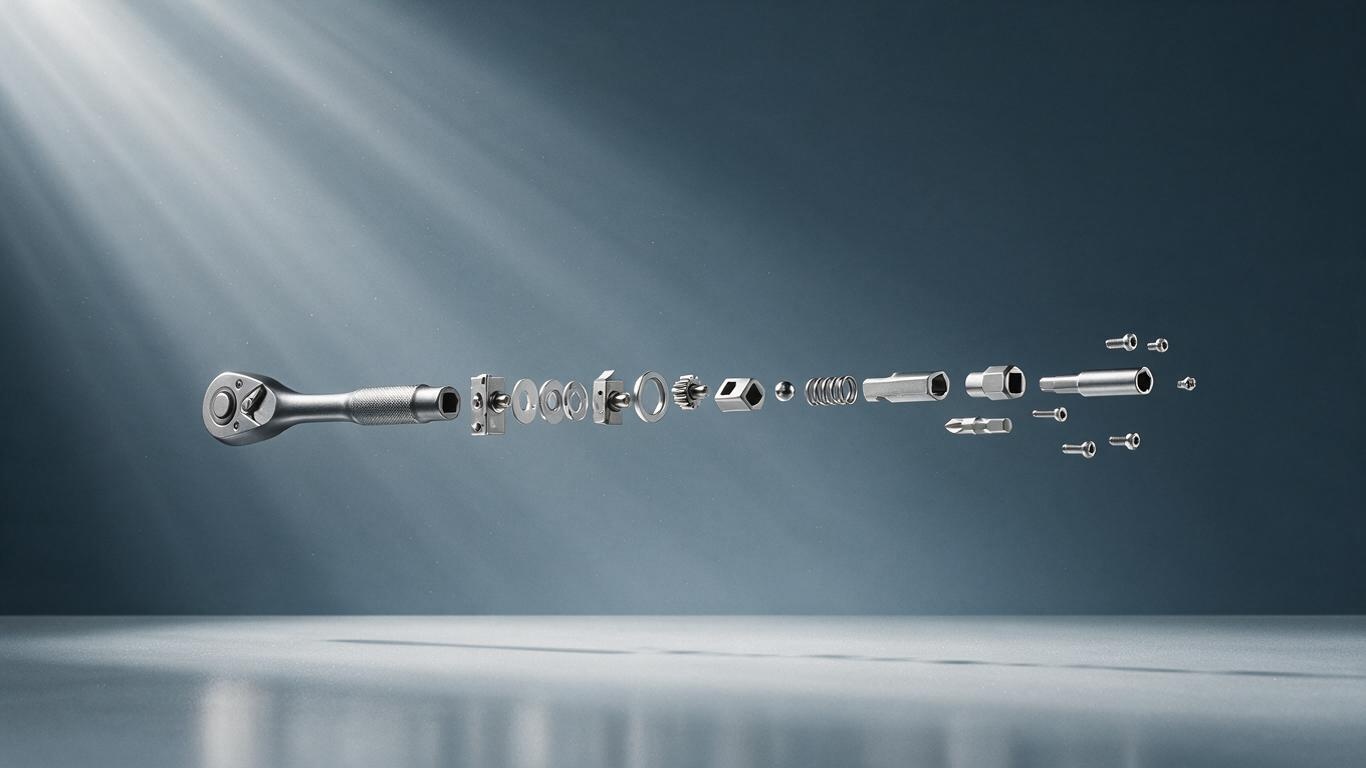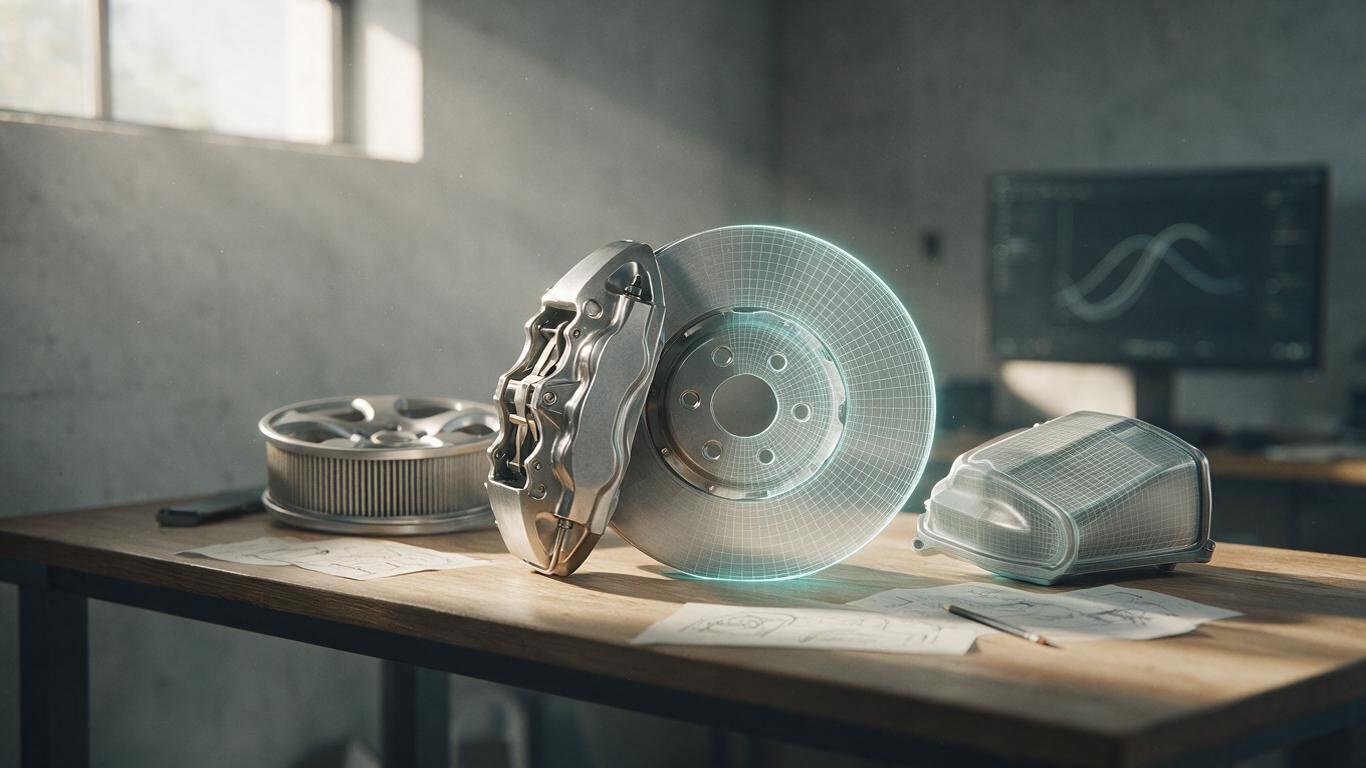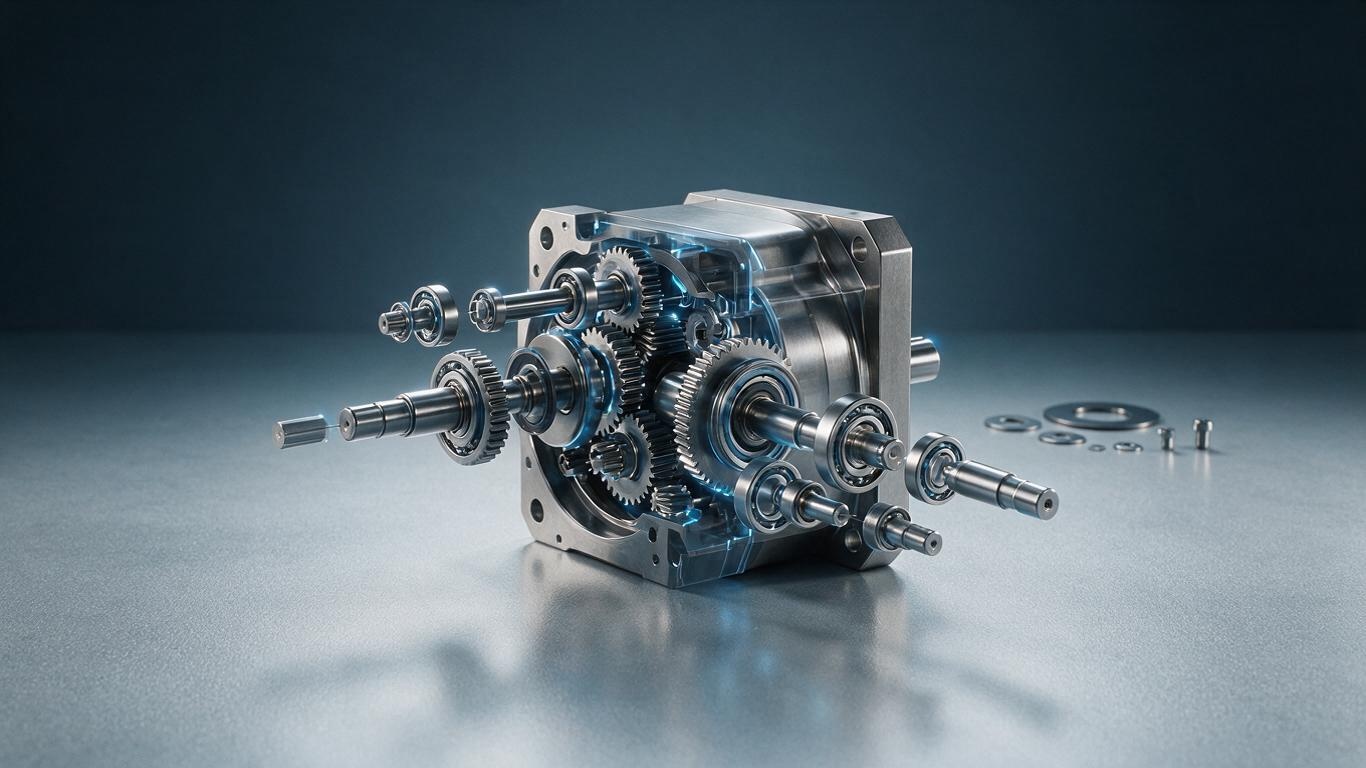
“How many people are actually on your team?” That was the first question a small-kitchen-appliance client asked last Wednesday — not price, not timeline. Their last vendor had introduced a director at signing, then handed the project to an intern, cycled through three different contacts, and delivered a film where the product's shell colour was three shades off the real thing. It's a fair question: the size and structure of a product animation team decides whether your project becomes a one-person show. We currently run 18 people, 12 of whom sit directly inside 3d animation production delivery, with the other six covering creative, QC and pipeline.
One thing needs saying up front: headcount is not a proxy for quality, but a team without division of labour is reliably a problem. The industry has roughly three shapes. The workshop type — three to five people, where one or two hands cover scripting, modelling, animation and post — moves fast until someone takes a sick day. The assembled type — a small sales front and freelancers pulled in per project — can quote very low, at the cost of unpredictable quality, assets that can't be reused, and source files that vanish around revision five. The third is the divided type: fixed roles, a shared asset library, review gates that happen early. We chose the third because it's the only one that solves what clients fear most — unpredictability.
Nine roles behind a 15-second film
Unpacked, a 15-second product film inside 3d animation production usually passes through nine roles. Client strategy and project management translates a vague “premium feel” into an executable brief and is the only person who speaks to the client. Creative direction owns the script and storyboard — when the product enters, how many selling points fit in 15 seconds. The AI asset role uses generative tools to produce concept art, textures and rough models, cutting asset setup from three days to half a day. 3D modelling brings assets to camera-ready precision, especially chamfers and seams. Look development sets the tone — cold tech or warm lifestyle. Animation and motion design makes the product move: opening, rotating, exploding, assembling. Rendering and compositing outputs and combines passes. Editing and sound finish the cut. QC sits outside production and hunts for product errors — scale, structure, whether the material matches the real object. The ninth is often forgotten: pipeline and R&D, which maintains the asset library, automation scripts and render queue — the invisible ceiling on a team's throughput.
The point of division isn't headcount, it's that every stage has a named owner and a defined deliverable. Our internal estimate: a 15-second mid-complexity product film takes 68 to 90 hours, with asset setup at 25%, animation at 30%, look-dev and rendering at 28%, and the rest split across creative, compositing and QC. Without division, those hours get compressed into one or two people working late — the result looks “finished” but doesn't survive the pause button.
The real enemy of a divided team isn't capacity, it's handoff friction. Nine roles mean eight interfaces, and every interface can drop information. We handle it three ways: a shared asset library, so the same client's product reuses models, textures and lighting instead of starting from zero; review gates moved up to storyboard and first frame, after which revisions are detail-level; and a single point of contact, so clients don't need to know how many roles are turning inside. We documented that mechanism in a day inside the ArtSky studio.
AI didn't remove roles — it redistributed them
Many people assume AI simply shrinks a product animation team. What actually shrinks is repetitive labour; what gets amplified is judgement. The AI asset role went from three concept frames a day to thirty an hour, but choosing one and refining it into a camera-ready model is still human work. This year we delivered 12 AI+3D product animations in 30 days — not through overtime, but through asset reuse and AI previs that made storyboard-stage iteration almost free. Conversely, a two-person team with the same tools will just produce more mediocre work faster.
So when brands evaluate a product animation team, three concrete questions work better than a showreel: how many hands does this film pass through between storyboard and final cut, and how many of those people will I actually meet? After this product is done, who owns the model and assets, and can we reuse them next time? If I change the product's appearance mid-project, at which step does rework begin? Teams that answer crisply usually do divide their labour; teams that circle back to price usually don't. For a fuller framework, see the four dimensions brands use to choose an AI+3D animation vendor.
Back to that client. His final question was: “So who follows my project from start to finish?” We gave him one name, one phone number, and a schedule listing deliverables for all nine stages. On signing day he said something I still remember — he wasn't afraid of a small team, he was afraid of not knowing who was accountable. If your brand is looking for a product animation team with clear division of labour, get in touch and send us your product shots and key selling points; you'll get a role-by-role execution plan within 48 hours.