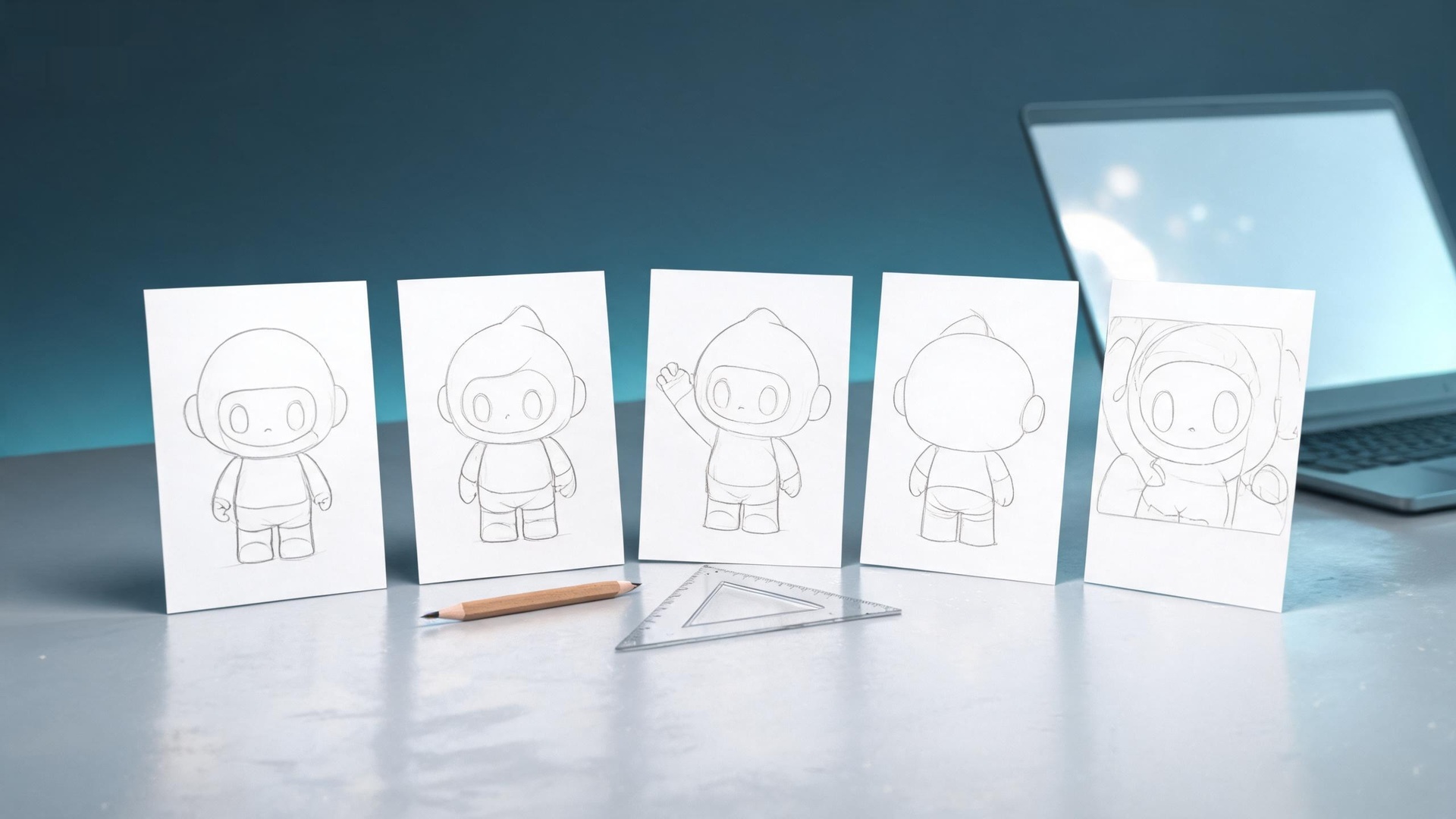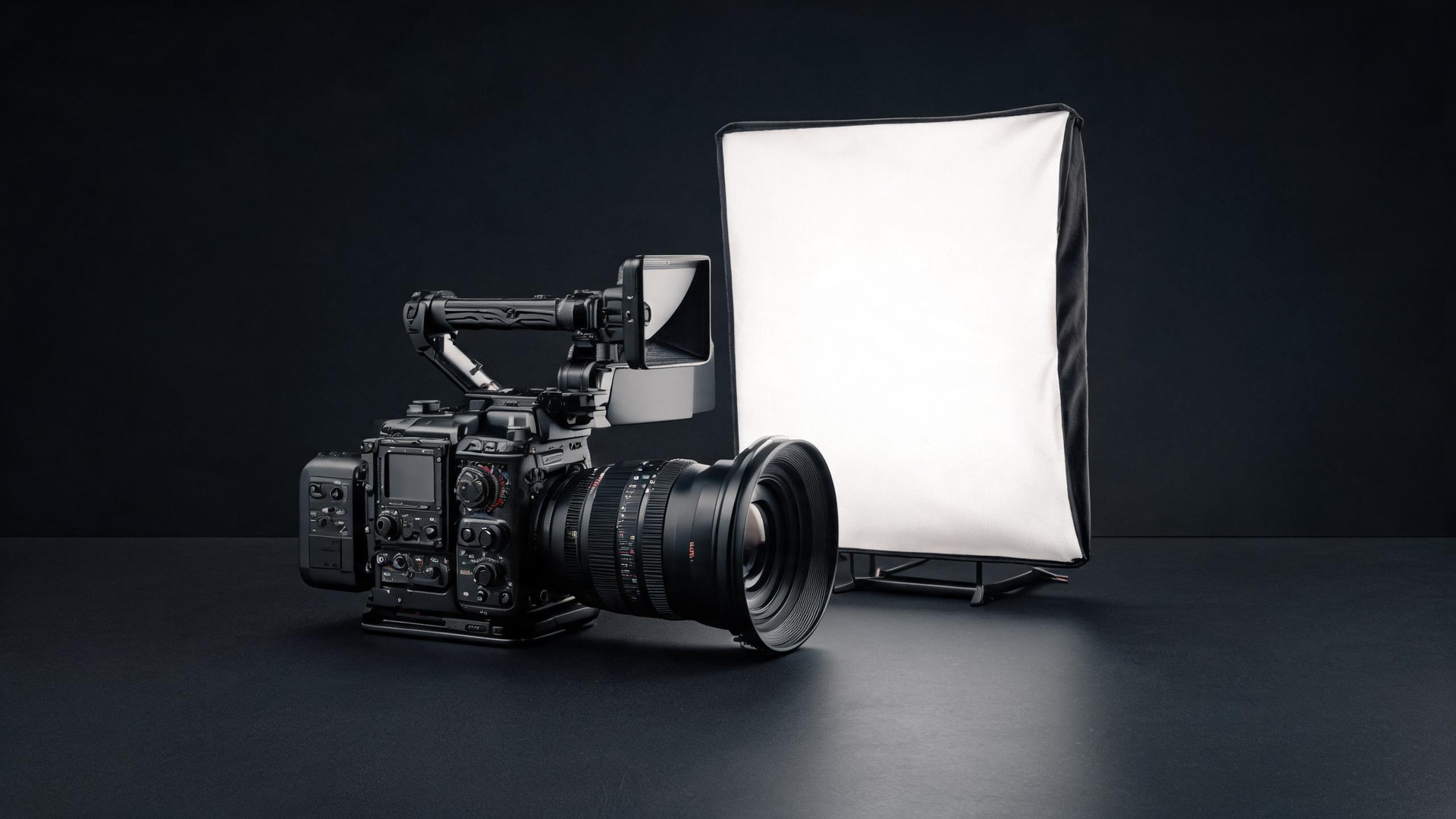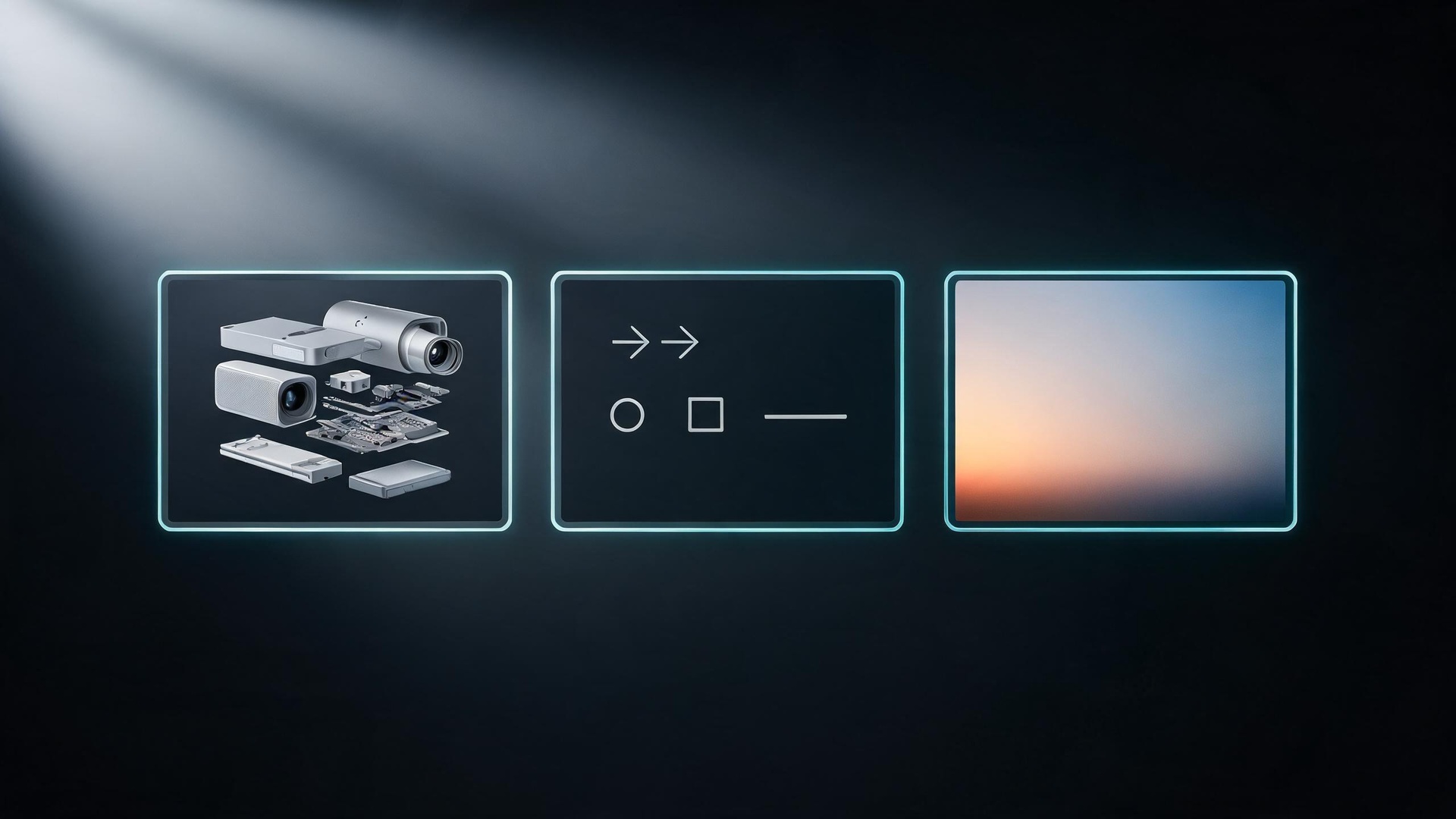
Last month a home-appliance brand spread three scripts across the table and asked one question: all three of these are brand TVC commercials, so why is one budget four times the other? I went through them one by one — a 120-second brand statement, a 30-second feature demo, a 15-second promo cut. They all sit under the label "TVC", but they are not the same thing: different shooting approach, different screen, and a different internal team signing off.
So this piece is not about creative inspiration. It does one dull but useful job: splits the brand TVC commercial into three types and defines each one — what it is for, how it is judged, and which production route fits. The goal is simple: on day one of a project, a brand team should be able to answer "which one do we actually need" before the money is committed.
1. Three types hiding inside one term
A brand TVC commercial is a high-finish commercial film made for broadcast-type media: television, long-form video platforms, cinema pre-roll, outdoor LED screens and launch-event main stages. It is one of the most expensive moving-image assets in an annual marketing budget, and the one that rewards planning the most.
Split by purpose, there are only three: the brand film, the product film and the performance film. They are not tiers of quality; they are different jobs. A brand film sells an attitude, a product film sells understanding, a performance film sells an action.
2. The brand film: judged by recall
The brand film has one task — let the viewer repeat one sentence about you after the screen goes dark. That is why it runs long (60, 90, sometimes 120 seconds for an annual brand film) and why it sits in expensive places: opening slots at launch events, TV prime time, cinema pre-roll, landmark LED walls. The real cost is not equipment; it is director, cast, production design, music licensing and grade. CG usually accounts for only 20–30% of the runtime, handling hero product shots, pack beauty and abstract visuals.
The classic mistake is treating a brand film as a product manual. Six selling points in one film means zero recall. A simple test: mute it and check whether the images still carry emotion; then listen only to the audio and check whether any line is worth repeating.
3. The product film: judged by comprehension
The product film is the most practical of the three, usually 30–45 seconds, and it lives on the first screen of an e-commerce detail page, at launch events, on loop at trade shows and in social feeds. The test is not emotion but clarity: can the structure, the mechanism and the difference be understood at a glance — especially the parts nobody can see, like airflow paths, drivetrain geometry or material layers.
This is the type most often compared with product animation, and the comparison is a category error. The product film is the container; animation is one way to fill it. The same script can be shot live action, built in CG, or blended. If you want to understand how those routes differ in lead time, controllability and cost structure, see our earlier piece on the live-action vs AI+3D workflow comparison.
The more complex the product, the more the product film leans on 3D. We produced a product film for a precision machine tool where the camera simply cannot enter the cavity — that whole sequence was solved with a 3D cutaway. The full breakdown is in this machinery equipment animation case study.
4. The performance film: judged by action
Performance films are short: 6 seconds, 15 seconds, never more than 30. They run in feeds, live-stream cut-downs, app-open screens and search ads, and their job is to push "benefit + price + call to action" into someone's face within three seconds. They take the smallest share of a brand TVC commercial budget but iterate the fastest — one shoot typically yields 20 to 50 asset variants for A/B testing.
The production logic is the exact inverse of the other two: no emotional setup, no need for tonal consistency, just every frame pushing a decision. It is also where compliance risk concentrates — claims, comparison shots and price callouts all need legal review before delivery.
5. Can one shoot cover all three?
Yes, as long as you accept that nothing will be pushed to its limit. Two combinations work well in practice. First, brand film plus product film shot together: the same cast and the same set, a 60-second cut for brand media and a 30-second cut for e-commerce and trade shows, at the lowest marginal cost. Second, product film plus performance film: one master edit cut into a dozen 15-second variants for the media team.
The one rule is the order. Decide the medium first, the KPI second, the creative last. Plenty of projects derail because creative ran a full lap before anyone noticed the film was destined for a lift screen — which has no sound.
6. Live action, CG, or AI+3D?
There is no universally better route, only a better fit. Live action still wins for real performers, real locations and high emotional density. CG is more reliable for internal structures, extreme states and futuristic environments. And for projects where budget and timeline are tight but the product shots still need to look premium, hybrid AI+3D pipelines have become a mainstream option — pushing parts of modelling, texturing, animation and compositing earlier into the generative stage, which compresses a 30-second product film from months into weeks.
For how to tell whether a studio can genuinely handle brand TVC commercial work, we listed four dimensions in how brands choose an AI+3D animation vendor. Worth a read before the kickoff meeting.
7. A pre-kickoff checklist
Ask these questions around the table once and you will save half the rework later:
- Which screen will this film actually run on? With sound or without?
- Who signs off — brand, e-commerce or the media team? What is each of them measured on?
- Can the core message be compressed into one sentence? If not, it is not decided yet.
- Which parts of the product must be understood, and can a camera physically reach them?
- How many versions does one shoot need to produce? What is the reuse rate?
- Does the delivery date work backwards from the media schedule?
A brand TVC commercial is expensive not because it is long, but because it carries three expectations at once: brand, product and sales. Define them separately, approve them separately, and the budget becomes controllable. If you are planning next year's films, contact us and send the script over — we will tell you which type it actually is.