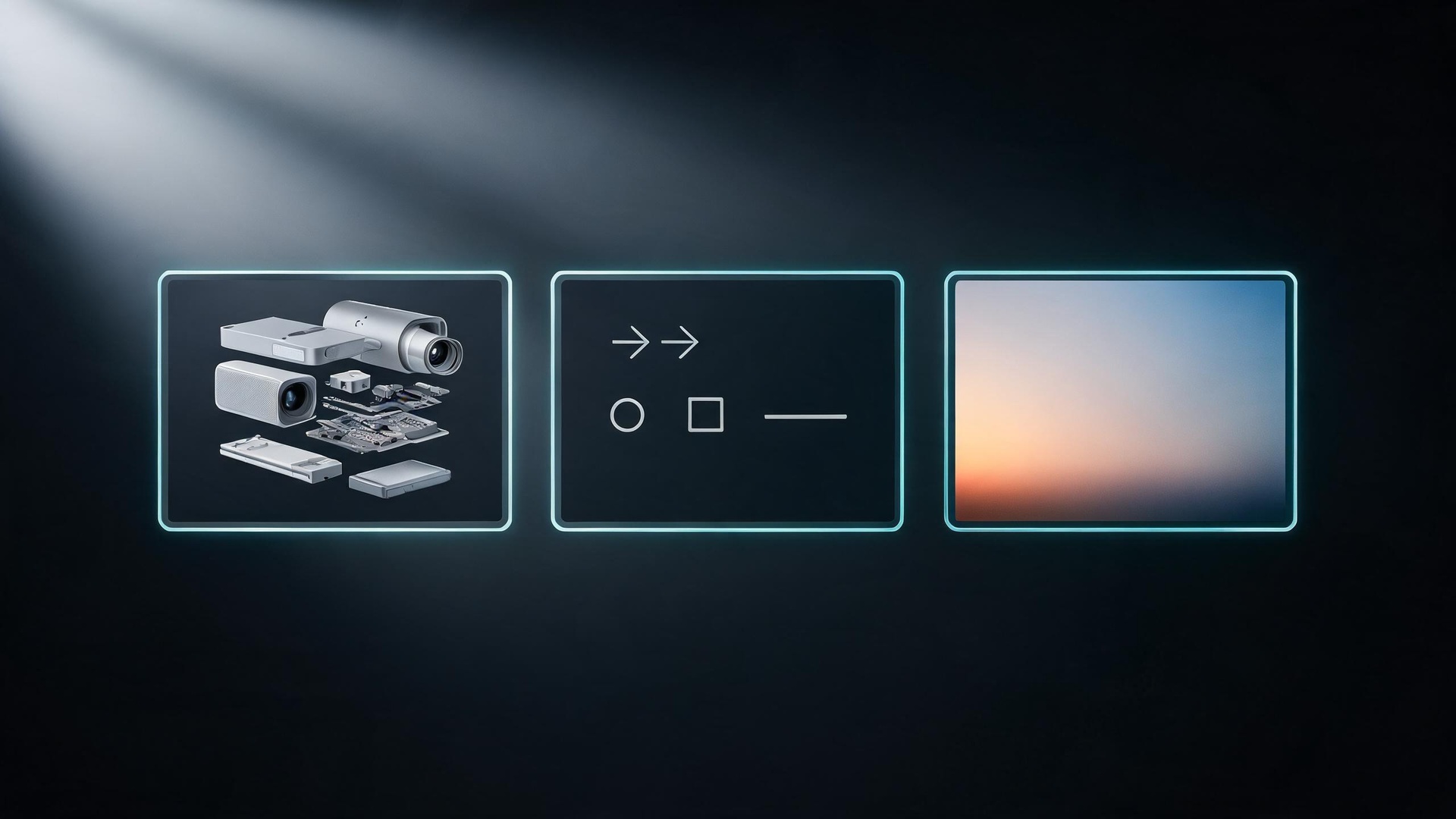
When a client says "I need a product animation", ten clients may mean ten different things. This article separates the six main categories used under the loose label of 3D animation and explains where each one fits.
Why the label misleads
Technically 3D animation means frame-by-frame imagery generated in 3D software. Commercially it spans from a 15-second product turntable to a 3-minute mechanical explainer — a tenfold difference in workload. Each category also has a different acceptance standard: showcase is judged on material realism, explainer on logical clarity, brand film on emotional impact.
Type 1: Product showcase
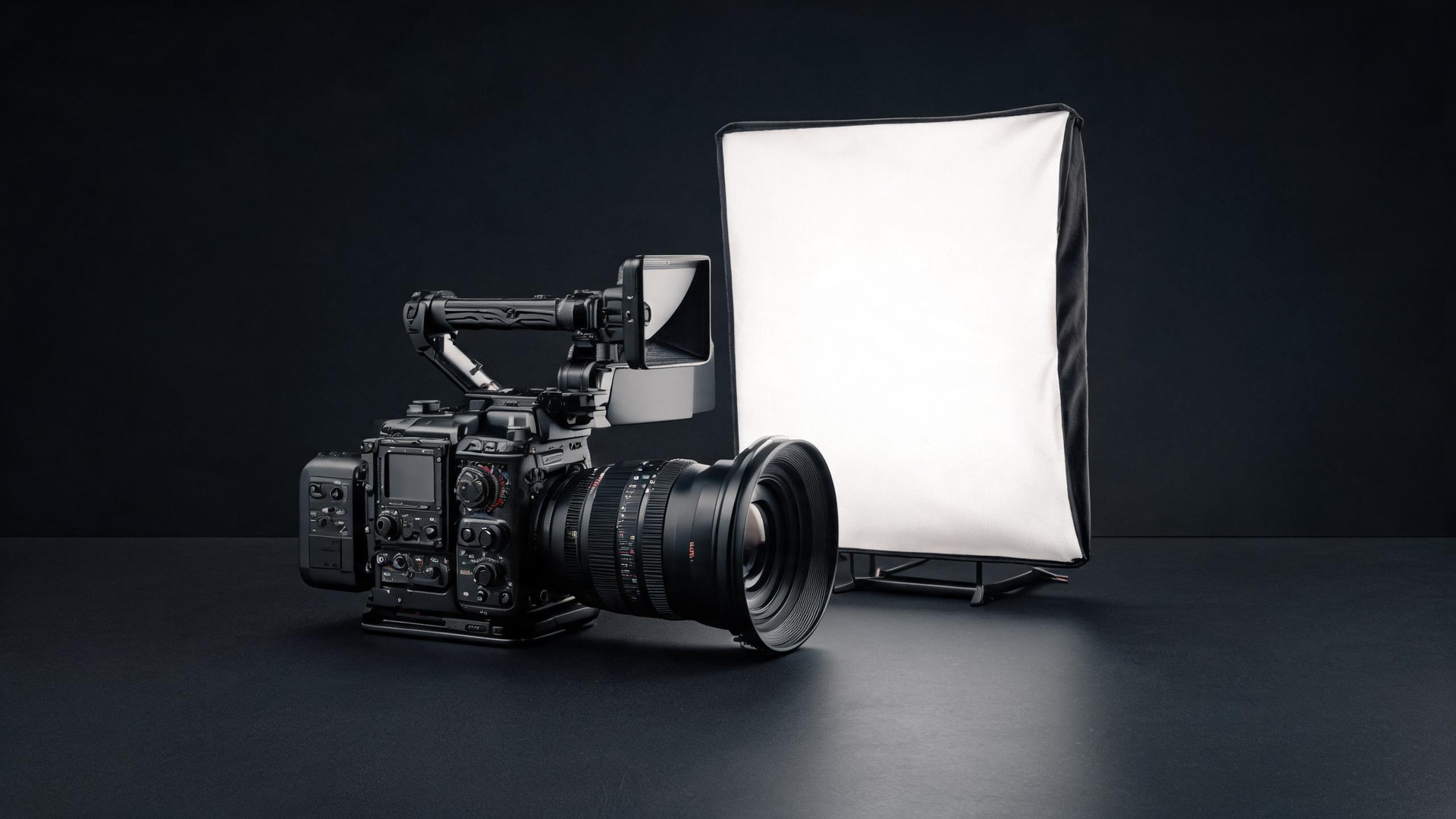
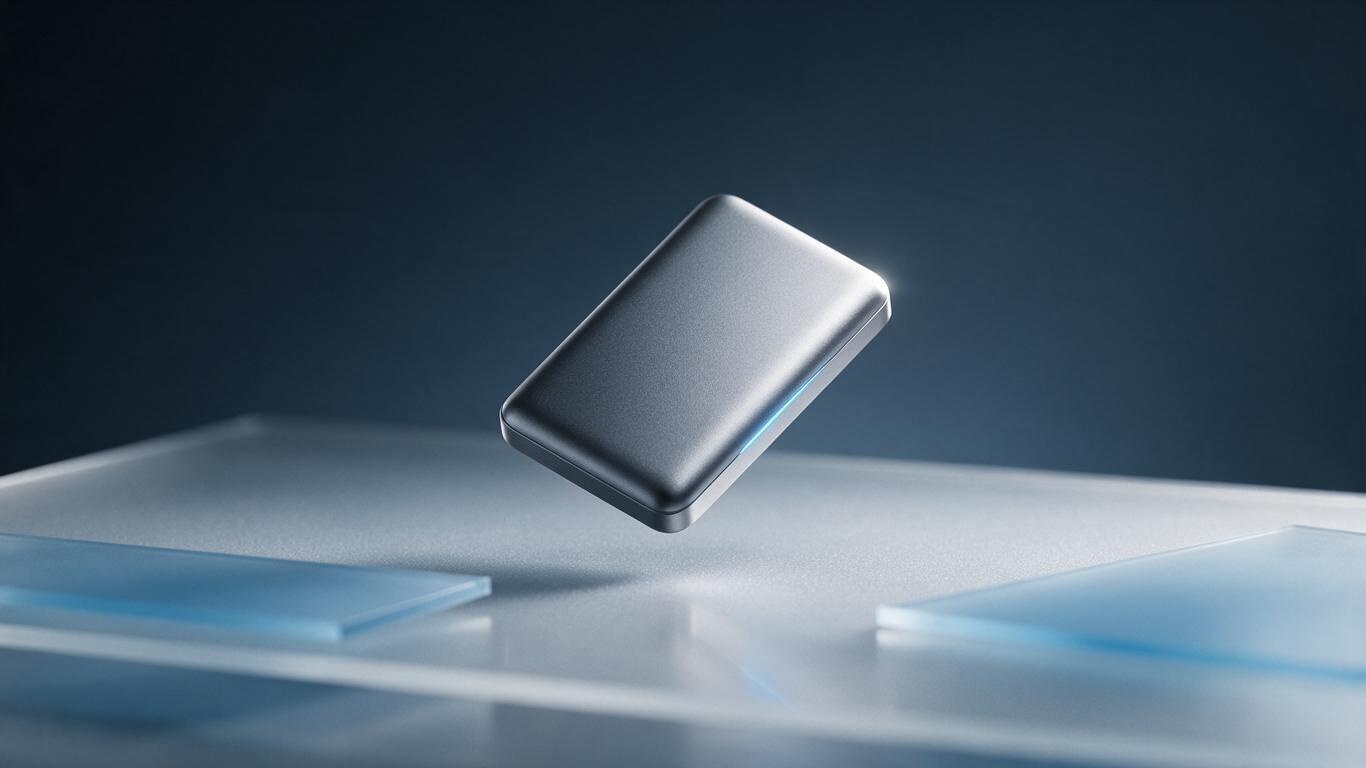
15-45 seconds, used for e-commerce main video, detail pages and website heroes. The craft is in modelling accuracy, material fidelity, lighting and camera rhythm. Its commercial advantage is reuse: one model yields multiple angles, colorways and languages at near-zero marginal cost.
Type 2: Technical explainer
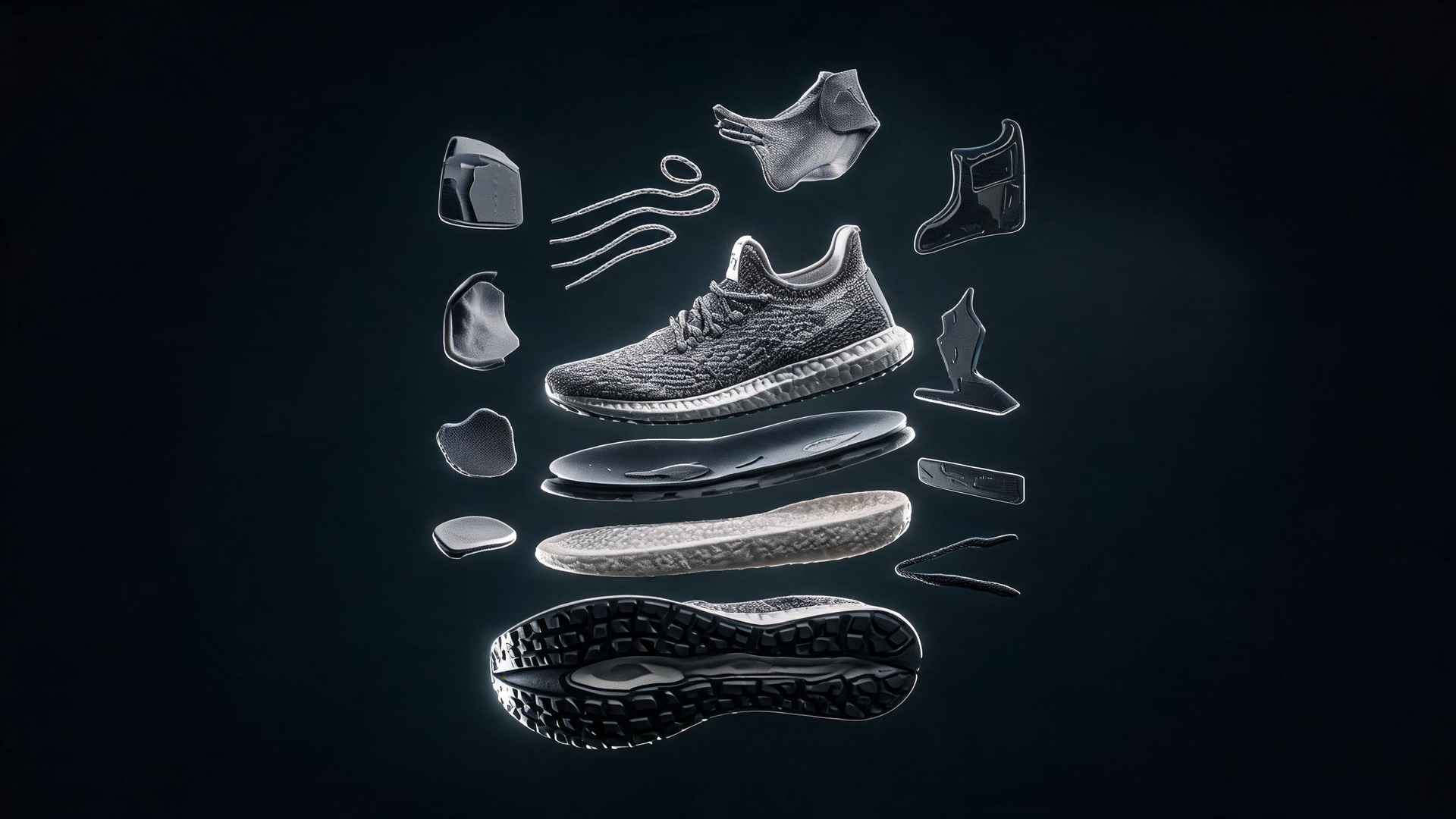
45 seconds to 3 minutes, for industrial equipment, hardware tools, medical devices and B2B tenders. Cross-sections and exploded views show what cameras cannot. The first goal is comprehension, not excitement — extra flourish hurts.
Type 3: Brand film
30 seconds to 2 minutes with narrative, mood and brand tone. Cost concentrates in creative and storyboard, not rendering. Success means the audience remembers a feeling.
Type 4: Live-action composite
Real footage with 3D products and effects layered in. The hard part is matching tracking, lighting and color so virtual objects sit convincingly in the plate.
Type 5: Motion graphics
Flat graphic animation for data visualization, feature explanation and SaaS. Fast and inexpensive. Often the best answer is MG for the information framework plus a few 3D shots as material anchors.
Type 6: AI-generated video
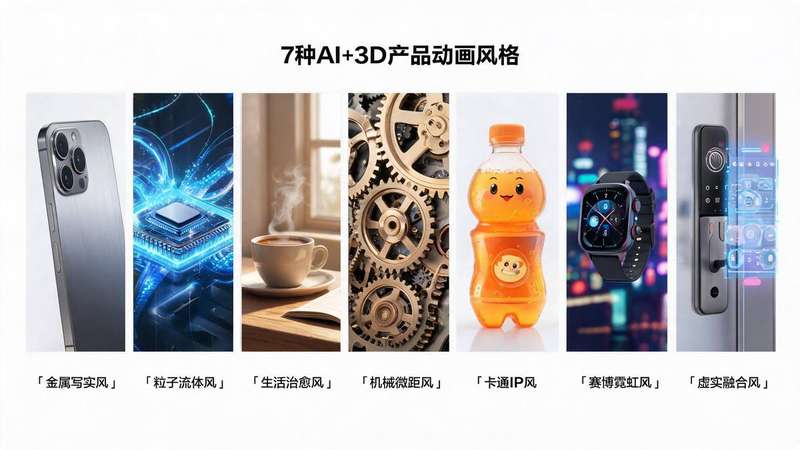
Fast and cheap but limited in controllability. Suitable for social batches, concept previews and background atmospherics. Unsuitable where product appearance must match the physical item or pass platform review. We typically use hybrid workflows: AI for materials, scene blocking and animation drafts; humans for precise modelling and final quality control.
Three selection questions
Does the audience need to understand or to feel? Can the product be filmed? How many films per year? More than ten per year favors building a 3D asset library; one or two favors a higher-budget brand piece.