
Let’s start with a 30-second video
Have you ever been scrolling on your phone and suddenly stopped at a product video? A bottle of shampoo flips in zero gravity, water droplets roll down its curved surface one by one, and the camera finally moves through the liquid to land on a pump-head close-up. You watched a few more seconds — and then you clicked buy.
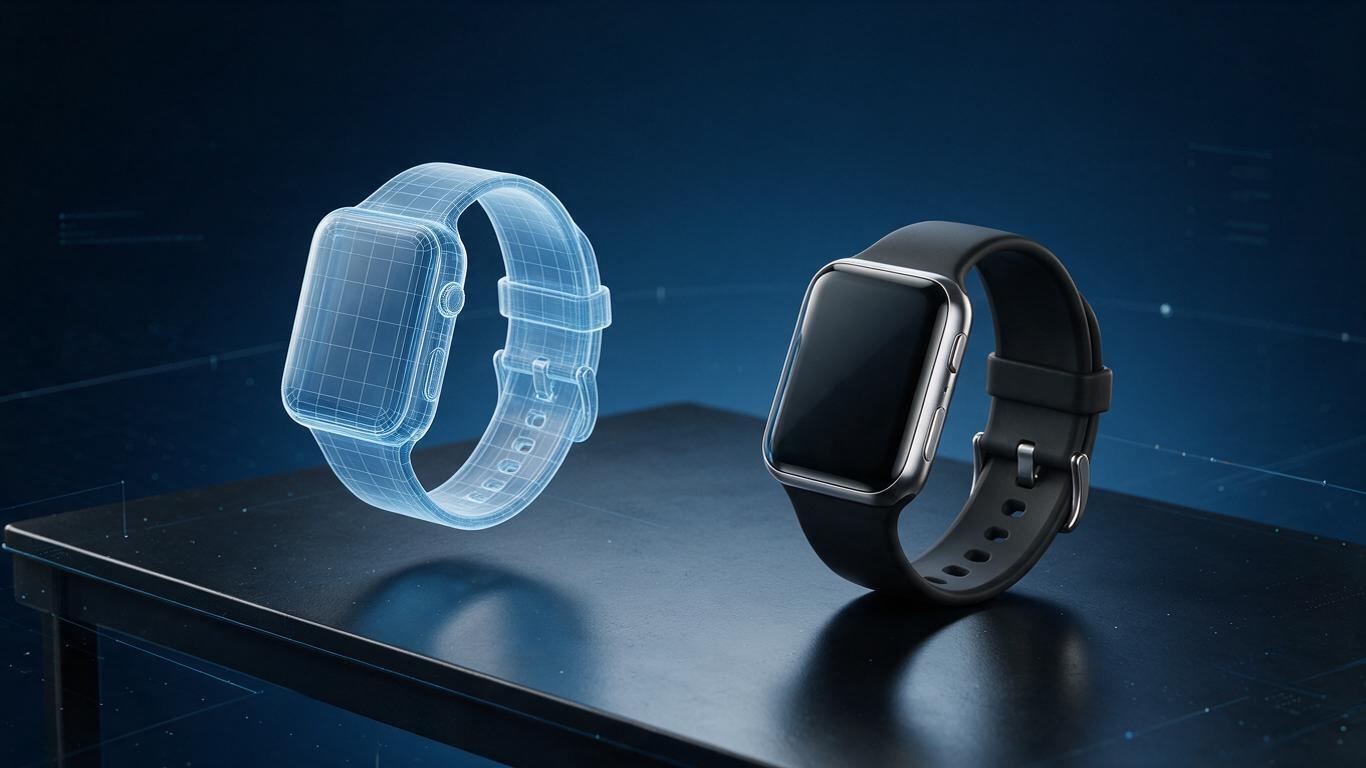
That video was very likely a 3D product animation. It wasn't shot with a camera; the product was fully re-created in a computer, then set in motion inside an imaginary scene.
What is 3D product animation?
3D product animation — also called product visualization or product animation video — is the process of using 3D modeling, materials, lighting, animation and rendering to generate moving images centered on a physical product. Think of it as “shooting a mini film for your product”, except the camera, the lights and even the product itself are virtual.
Compared with live-action filming, this approach has several hard-to-beat advantages: you can create content before the product exists in mass production; exploded views, cross-sections and material swap-overs are easy; lighting can be polished to near perfection; and a single 3D model can produce dozens of camera-ready shots.
What are the common types of product animation?
Depending on the goal, product animations generally fall into four categories:
- Showcase: 360-degree spins and cinematic push-ins for e-commerce main videos and detail pages.
- Exploded view / functional: Internal structure, assembly and working principles for machinery, 3C electronics and other complex products.
- Lifestyle scene: Products placed in crafted virtual environments, such as a coffee machine in a morning kitchen, strong atmosphere.
- Narrative ad: A short storyline or emotional arc for new product launches or crowdfunding.
How does AI+3D change the game?
Traditional 3D animation is expensive and slow because modeling and animation require days of manual work. With AI, the workflow is compressed: rough sketches or text prompts can generate an initial model quickly; AI can help fill in materials; motion libraries automatically generate product movement paths; AI denoisers cut one rendering frame from fifteen minutes to a few.
This is exactly what we described in our AI-powered 3D modeling workflow — from a sentence to cinematic product rendering in three steps.
Is it worth the investment?
From a business perspective, one high-quality product animation can be reused across an Amazon listing, Douyin/Youtube, a website homepage, trade shows, sales decks and crowdfunding campaigns. Compared with live-action production — where you need to book a studio, rent props and coordinate lights — 3D animation is far easier to revise. Want to change the color? Just switch a material parameter and re-render. Need a different angle? Move the virtual camera and the set stays put.
Many of our clients have shifted budgets from live-action filming to AI+3D, producing a dozen product videos per month. If your products are complex, your launch frequency is high, or you need massive multi-platform distribution, 3D product animation is usually more cost-effective.
How to decide if you need it?
Ask yourself three questions:
1. Does your product need pre-launch buzz before mass production?
2. Do you frequently switch colors, scenes or viewing angles?
3. Is it difficult to explain your product's internal structure or working principle with live-action video?
If you answer “yes” to at least one, 3D product animation is worth serious consideration. If a single static image solves the problem, don’t animate just for the sake of tech.