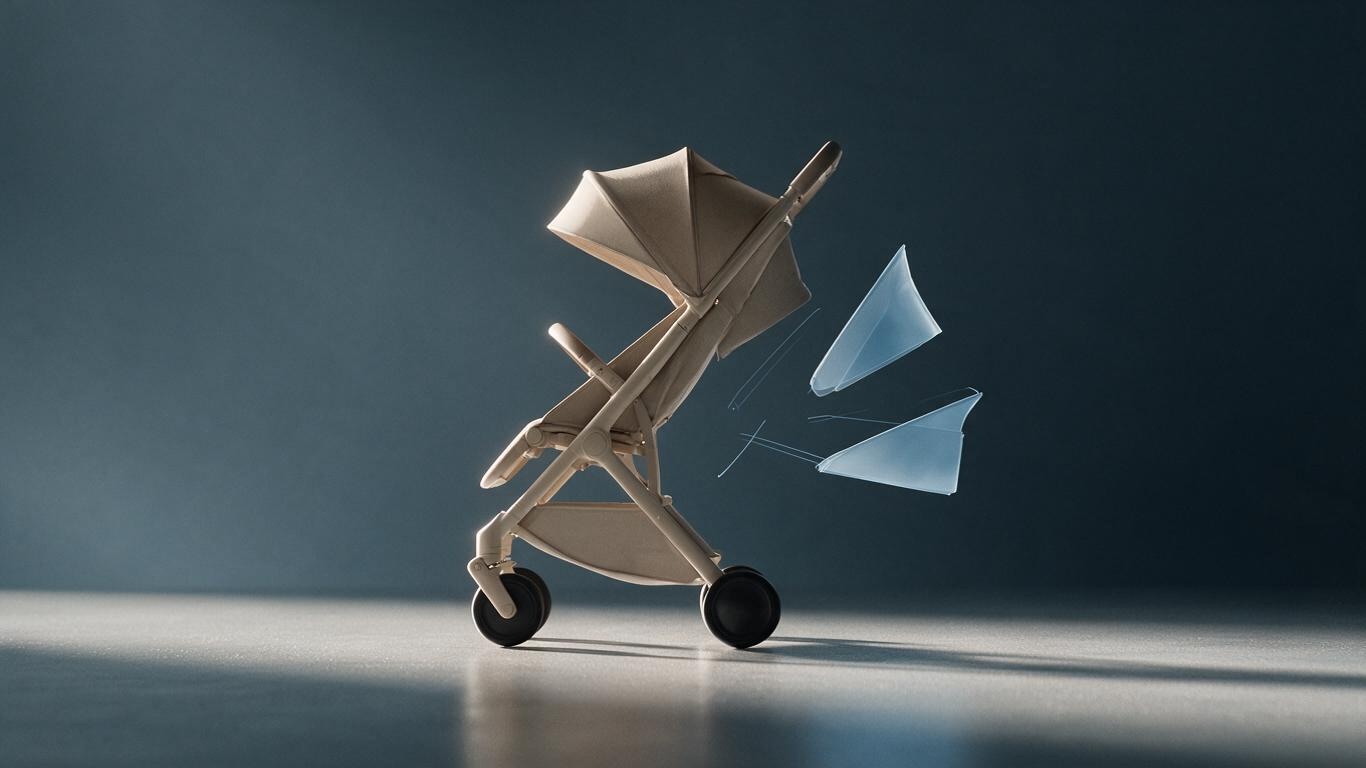
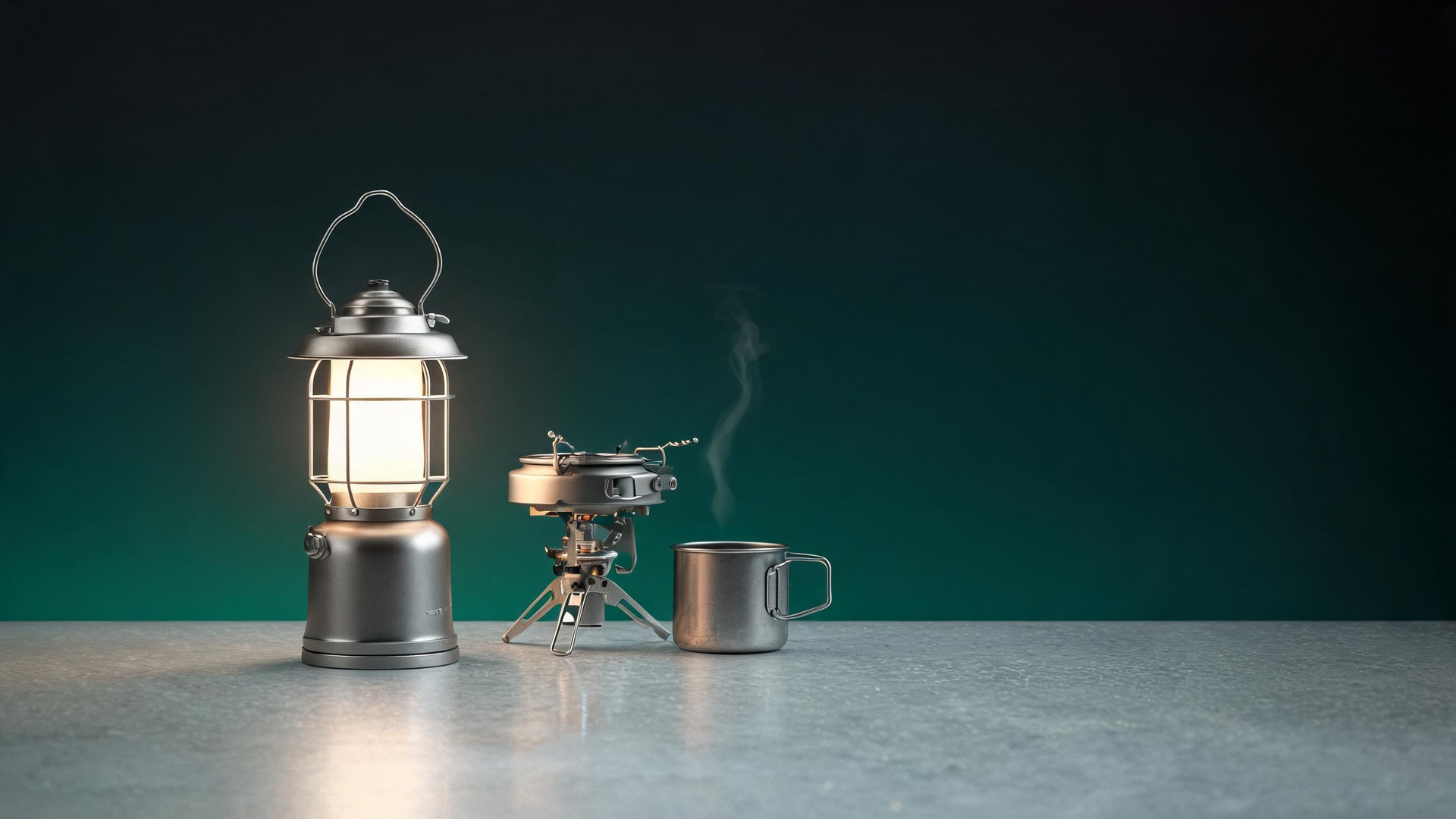
“Which studio is the best 3D animation production company in Dongguan?” We have heard some version of that question at least twenty times this year — usually from brand owners who just got burned by two or three proposals. One quote comes in suspiciously cheap and the sample looks like a plastic toy; another looks professional and quietly pushes delivery to next spring. So we decided to open up a recent project and show the working parts: a Dongguan-based outdoor gear brand selling folding camping lanterns, portable stoves and lightweight camp furniture.
Short answer first. Three films: a 15-second e-commerce hero video, a 30-second narrative piece, and a 6-second unboxing loop. From sample-in to final delivery: 19 days. The brand ran the hero video on Tmall, JD and their own storefront, then cut a vertical version for Douyin and Xiaohongshu. Everything below is hands-on detail, including the parts we had to redo.
This is not our first Dongguan project, and the local pattern is consistent. Products here are physical, mechanical, structural — you cannot carry a video with pretty empty shots. The 3d animation production work has to explain how the thing actually works.
Where the client was stuck: expensive samples, harder sets
Outdoor gear has a built-in contradiction. Almost all of its perceived value comes from scene: a campsite at dawn, dew on grass, warm light bleeding through a lantern shade, the blue flame at the moment a stove ignites. Shoot it for real and the cost explodes. You need crew, transport, and a sunrise you cannot schedule; one overcast day resets the whole shoot. The translucent shade never reads correctly under open daylight, and the ignition flame is wrong eight times out of ten.
The brand ran the numbers themselves. Three outdoor shoot days, plus location, talent and crew, cost roughly the same as one complete 3d animation production cycle — and animation assets can be revised and reused indefinitely. That is why they called.
Three films, three separate jobs
Most first-time buyers try to make one film do everything, and it ends up doing nothing well. We split the deliverable by task:
- 15-second hero video: no voiceover, loops silently. The first three seconds must show the full folding action — packed to deployed — so viewers instantly understand what the product is.
- 30-second narrative film: sits at the top of the product page and on the brand site. Dawn campsite, camera drifts from water beading on the tabletop to the lantern switching on, then cuts to the stove ignition. This one carries mood, not specs.
- 6-second unboxing loop: paid social only. One action — the product rises out of its packaging — with a single line of copy.
The hard part was not modeling. It was fire and light.
Clients assume the modeling is the bottleneck. In practice, standard-part modeling eats about 30% of the schedule. The rest goes into details that look trivial on a storyboard.
First, the lantern shade. It is a semi-translucent material, and the light source sits inside it, so you need falloff with depth — bright at the core, milky white at the edges — instead of a flat blown-out blob. Second, the aluminum. Fresh metal in 3D has a habit of reading as plastic. The fix is not more reflection but more imperfection: fine brushed direction, light wear along the edges, subtle roughness change where fingers would touch. Third, the flame, built from particles with volumetric fog to suggest airflow — but kept dimmer than the product itself. If the fire is the brightest thing on screen, viewers remember the fire, not your stove.
For the structural sequence we borrowed from our machinery work. The X-ray reveal and step-by-step disassembly we used in the CNC machine case study transfer directly to a camp table: leg locking clips, the tent frame deployment order, the valve rotation angle on the stove. That internal view is the single most valuable thing 3d animation production offers hardware brands — it shows what a camera physically cannot.
Where the 19 days actually went
People assume AI compresses delivery to three days. In reality it cuts modeling and first-pass texturing, and barely touches review cycles. Rough split: two days of structural measurement and reference shooting after the sample arrived, four days of modeling and materials, three days of scripting and storyboard rounds, six days of animation tuning (half of it flame and fabric), four days of rendering and multi-version output.
The one real rework was fabric. The woven seat on the camp chair bounced like jelly during the deployment motion. After two versions we went conservative — fewer simulation frames, keyframed drape, slightly less physical accuracy in exchange for visual stability. That trade-off does not exist in live action. In 3D it happens weekly.
What changed after launch
A month in, the brand shared platform numbers: hero video completion rate moved from 21% to 58%, product click-through rose roughly 37%, and average time on the product page went from 24 to 46 seconds. Not all of that belongs to the animation — they changed thumbnails and pricing in the same window. But the brand's own read is that the video made “what this is worth” feel tangible.
The more practical gain was reuse. The three films were cut into fourteen derivative clips for paid social, creator briefs, a crowdfunding page and a trade show loop. That is where 3d animation production beats live action on cost: one build, assets you own, no re-shooting when the colorway changes.
So which Dongguan studio is actually the best?
There is no universal answer, but there is a fast filter. One: ask for a 15-second test cut using your own product — serious teams will do it for a small sample fee. Two: ask who owns the 3D model and under what reuse terms; can you recolor, re-cut, re-version. Three: check whether the delivery includes platform-specific formats — landscape, vertical, and 1:1 hero specs in one pass. Three questions and you can tell whether a studio sells films or sells assets.
We wrote a fuller framework in how brands should choose an AI + 3D animation vendor, and if your product has a genuinely complex mechanism, start with live action versus AI + 3D: a workflow comparison to see what can and cannot be skipped.
One honest note: Dongguan has plenty of 3D teams, and the real gap is product literacy, not software fluency. A team willing to argue with you about a locking clip and redo a fabric version twice will beat a team with a flashy showreel every time. If you have a project in mind, contact us with product photos and we will give you a first read the same day.