1:17 AM, in a Factory Parking Lot
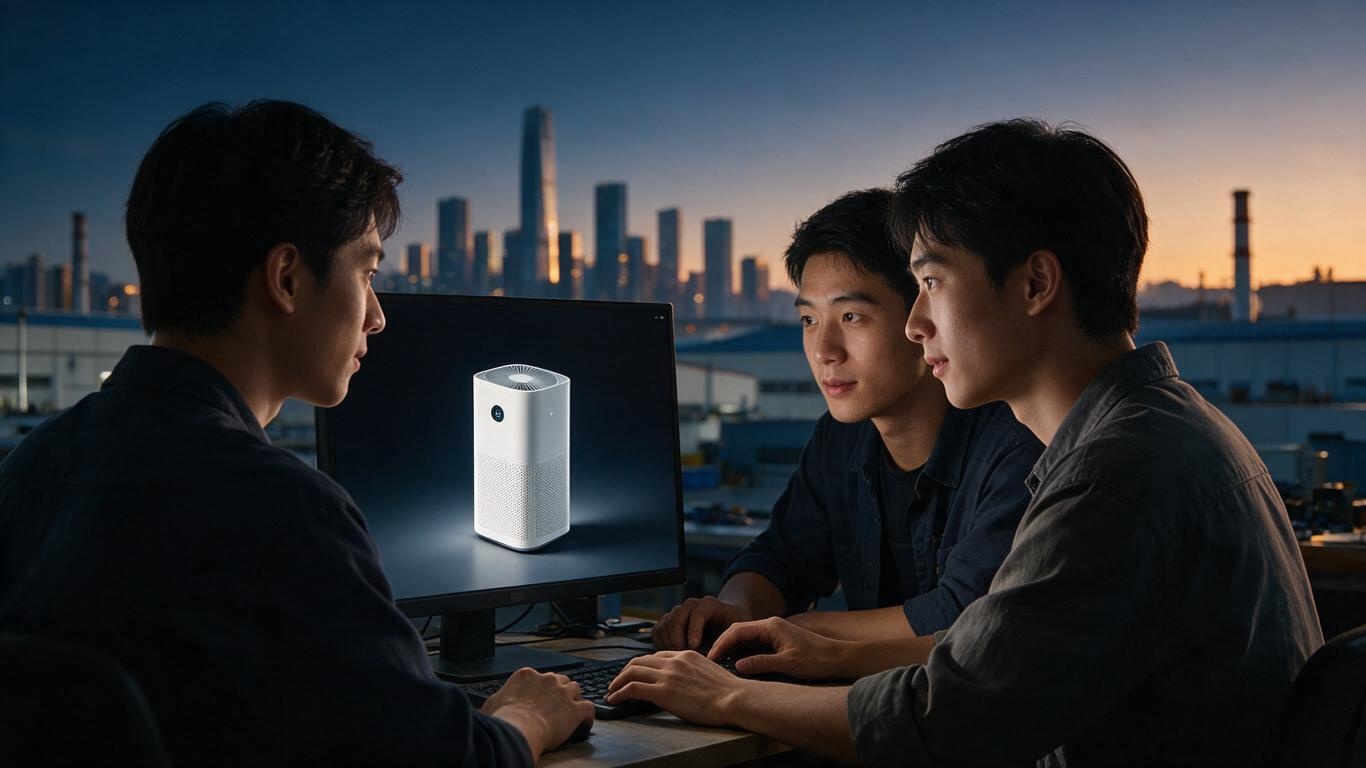
At 1:17 AM, a voice message popped into our work group. The client sounded embarrassed: “The trade show starts tomorrow morning. Can we move the logo to the top right corner of the product animation? And add ‘IP65 waterproof’?” If this were a remote project, the message would have waited until morning. But we are a 3D animation company in Dongguan — their factory is only a 20-minute drive away. Thirty minutes later, we were swiping into their workshop.
I am not telling this to show how hard-working we are. It actually answers a question many Dongguan manufacturers have when they search “3d animation company dongguan”: what is the real difference between a local team and one from Guangzhou or Shenzhen?
Guessing a Product Through a Screen Is the Real Waste
Over the past year, more than half of our clients have been local Dongguan manufacturers: portable power stations, automated packaging machinery, pet feeders, precision metal parts. For most of them, this is their first 3D animation project. They know their production line better than they know camera language. The typical brief is: “Here is our new product. Do your magic, make it look like those big international brands.”
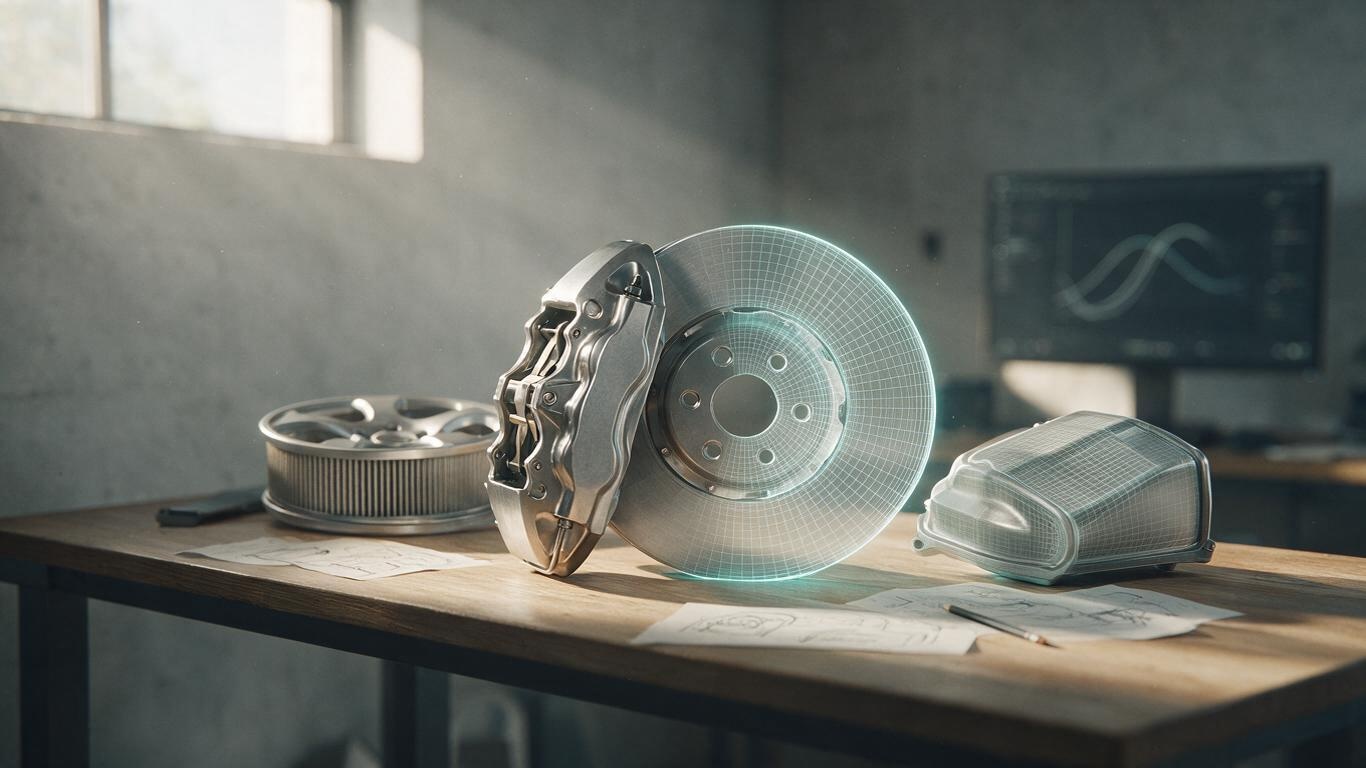
This kind of brief is the worst case for remote collaboration. The client tries to explain over the phone, “the grey component should protrude a bit more,” while you are hundreds of kilometers away, asking for more reference photos, feeling lost. As a local Dongguan team, we do something simpler: we drive over. We touch the product, take it apart, listen to the workshop foreman explain why it is designed that way — that information brings us closer to the essence of the product than ten online meetings.
Localization Is Not an Attitude; It Is a Workflow
Many companies claim to offer “local support,” but when you need a change, they still ask you to submit a ticket and wait for resource scheduling. Our ability to arrive at a factory in the middle of the night comes from making localization part of the workflow: the client’s workshop address is pinned in the project group; during the day we visit to shoot real lighting references; at night we build models and tune materials; the next day we bring a screen back to the workshop to compare sandblasted textures and anodized color differences.
Last month, when we delivered an animation for a laser-cutting machine manufacturer, the client pointed at a cut-edge highlight and said, “This is too bright. The real object is not this reflective.” This subtle lighting difference is impossible to explain through a video call. We asked them to place the physical machine under natural light, adjusted three lights accordingly, and fixed it the same night. The next day, he posted on Moments: “In Dongguan, the animation team even comes to your place to set up lighting.”
What We Have Done Right in the Past Six Months
Looking back, deepening our roots in Dongguan has brought faster changes than we expected. Our team has grown from six to more than twenty people, and many animators have returned from Guangzhou to join us. What attracts them is the industrial depth here: within one day, you can find physical samples of ten thousand kinds of products. This also allowed us to build a mini material library, where we can measure everything from thread pitch to button feel on-site.
Even more obvious is the shift in client mindset. Previously, Dongguan manufacturers treated 3D animation as a last-minute move before a trade show. Now more and more clients see it as a regular marketing activity: main-image videos, social media content, overseas independent websites — one piece can be cut into dozens of usage scenarios. Behind this is the awakening of Chinese manufacturing brand awareness. We are just riding the wave.
If You Are Searching “3D Animation Company Dongguan” Right Now
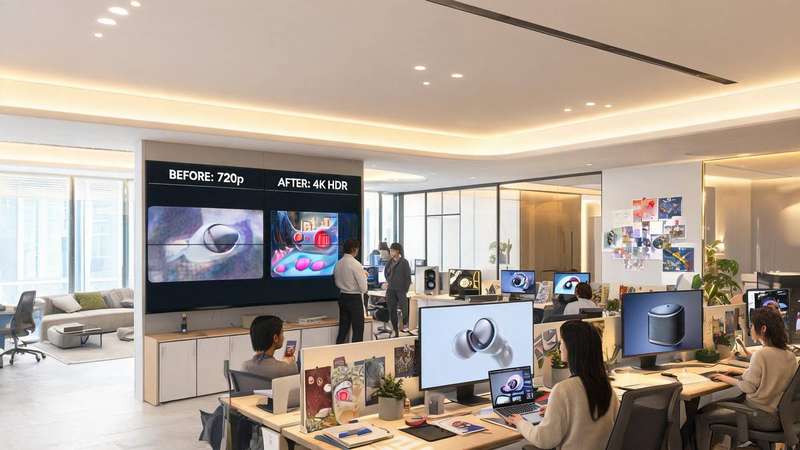
This article is not just a story about overnight work. Here are three pieces of advice for choosing a supplier: First, ask the animation team to visit your workshop. If they are willing to come, it shows genuine interest in your product. Second, ask whether their 3D model is built from engineering drawings or from actual product measurement — the latter is far more accurate. Third, check how well they use AI tools: can they deliver an initial preview with lighting within three days? That determines the cost of revisions and how long you can afford to wait.
We have always believed that product animation is not about applying makeup to a product; it is about translating the logic of manufacturing into visual language that global buyers understand. Doing this in Dongguan, the place closest to manufacturing, is our advantage — and our clients’ gain.
By the way, we once wrote a mid-year review about a Dongguan factory that won overseas orders thanks to product animation: How a 30-Second AI+3D Animation Won a Brand Millions of Views. See you next time.