
Have you noticed that product videos on e-commerce platforms look different this year?

Open Amazon, TikTok Shop, or any brand website—videos of hot products—from 3C earphones to kitchen appliances, skincare to machinery—are exquisitely polished: lighting soft and perfect, material details sharp, camera movements smooth. You might wonder: how much does it cost to shoot such videos?
The answer: in the past, a video like that cost at least $3,000 to $5,000. But now, more and more brands are choosing product videos that are not live-action at all.
Data speaks: global brand visual budget surges

According to eMarketer, global brand spending on visual content (product videos, 3D showcases, main image videos) rose 42% year-over-year in 2026, accounting for 18.7% of total marketing budgets. In the same survey, 76% of brands said they are evaluating or already using AI+3D technology to replace some live-action shooting.
Why? Because a typical product live-action video takes 3-5 days (set design, shooting, post-production) and costs $3,000-$10,000. If you have multiple colors or angles, the cost doubles. AI+3D product animation? From model generation to final render, it usually takes 1-2 days and costs only 40%-60% of live-action. Plus, modifications cost next to nothing—changing a color or angle is just a few clicks.
Data Point 1: Cost comparison per video

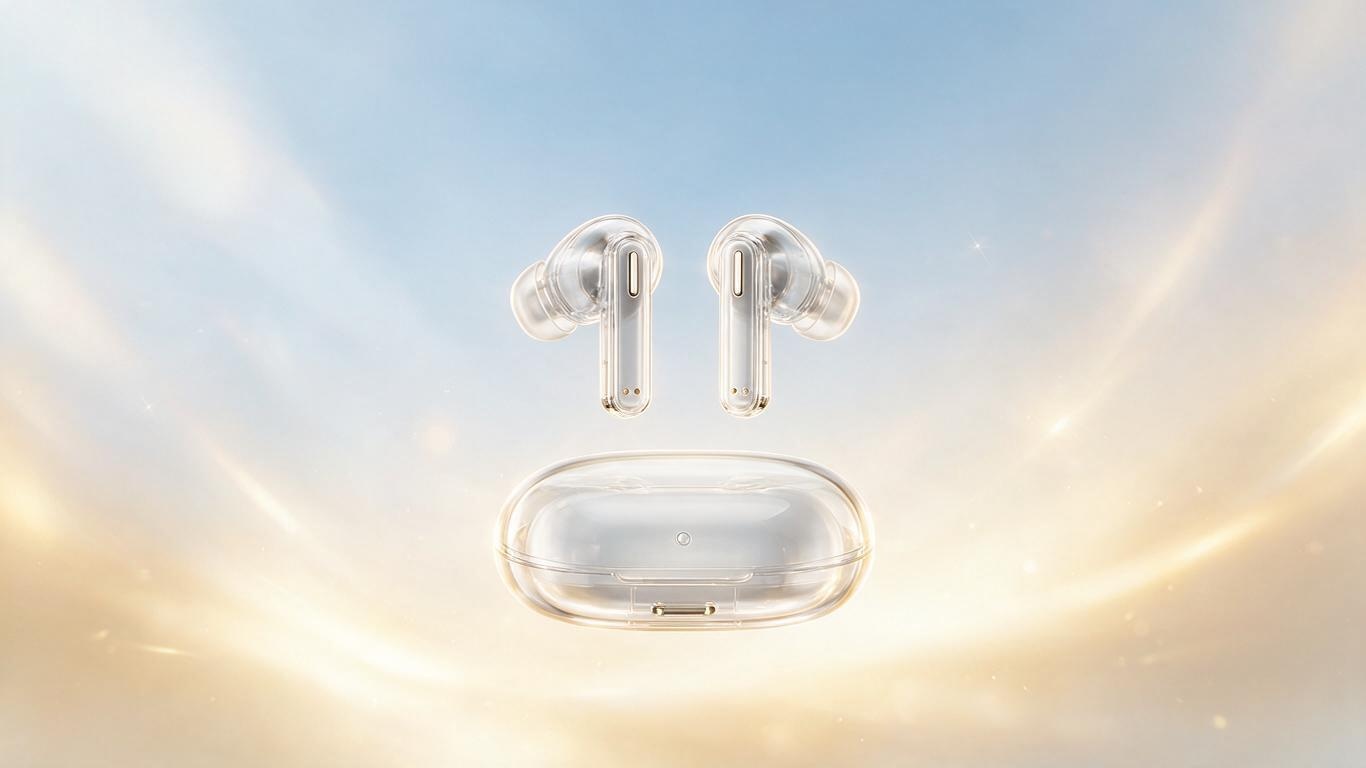
Let's compare a real project. A consumer electronics brand needs three 30-second product showcase videos for three colors of Bluetooth earphones.
- Live-action: Studio rental + professional lighting + props + post-color grading. Single video cost: $2,000-$3,500; total for three: $6,000-$10,500; turnaround: 5-7 days.
- AI+3D: 3D modeling + material rendering + dynamic animation. Single video cost: $1,200-$1,800; total for three: $3,600-$5,400; turnaround: 3-4 days.
Cost reduced by over 50%, timeline shortened by 40%. And if you need an additional angle, live-action requires re-setting, while AI+3D only needs to adjust the camera angle.
Data Point 2: Conversion rate boost real case
A Harvard Business Review study found product videos can increase purchase intent by 144%. But live-action quality varies—bad lighting makes even expensive products look cheap. AI+3D ensures every frame is cinematic.
One of our clients, a smart home brand, saw their Amazon conversion rate jump from 2.1% to 5.8% after replacing live-action videos with AI+3D product animations. Click-through rate (CTR) increased by 73%. Why? Because AI+3D can perfectly showcase internal structure, 360° rotation, and material gloss—things impossible with a quick phone shoot.
Data Point 3: Brand consistency — nightmare vs savior
Brands that have done multiple live-action videos know the biggest pain: consistency. One shoot comes out warm-toned, the next cold-toned; the same product looks different indoors vs outdoors. AI+3D solves this completely: once you build the 3D model and material library, every video has uniform lighting, colors, and camera language.
In 2026, 73% of DTC brands cite visual consistency as a top pain point. AI+3D is the scalpel.
Data Point 4: Revision frequency — live-action is a nightmare
Legal, marketing, operations... feedback from different departments can drag down a team. A single change in live-action means re-shooting, re-editing, re-grading—a week gone. With AI+3D, you tweak the model, adjust animation curves, export—done in hours.
Example: a food and beverage client changed their packaging label. Live-action would require buying new products and re-shooting. AI+3D? Modify the texture map, re-render, done the same day. That's why large brands are building their own 3D digital asset libraries.
Data Point 5: Industry penetration tripled in less than two years
According to our data, in 2024 fewer than 15% of consumer goods brands used AI+3D product animation. By mid-2026, that number exceeds 45%. In home furniture, 3C electronics, and machinery, penetration is even higher—over 60% in some categories.
AI+3D is no longer an experimental option; it's becoming brand visual infrastructure.
Not all categories fit? Actually the opposite
Many think AI+3D only works for high-tech products. But we've created stunning results for food & beverages, home soft furnishings, even clothing accessories. Fluid dynamics for sauces, random breadcrumb scattering, silk drape folds—current AI+3D technology simulates them with incredible realism. Have you seen our chocolate melting animation for a bakery client? More appetizing than real life.
If you're still hesitating, check out our food & beverage AI+3D case study to see the difference.
History repeats — like digital cameras replacing film
Ten years ago, when digital SLRs became common, many brands still insisted on using film for product catalogs, saying film had more texture. Who shoots film today? The same is happening now. AI+3D workflows were expensive and complex in 2018, but after years of tech iteration and tool democratization, they're ready for scale.
In 2026, if you're still using traditional live-action for product videos, your competitors are using AI+3D to achieve: lower cost, faster delivery, higher conversion, perfectly consistent brand visuals. This is not a choice; it's a survival imperative.
Is your brand ready for this trend?