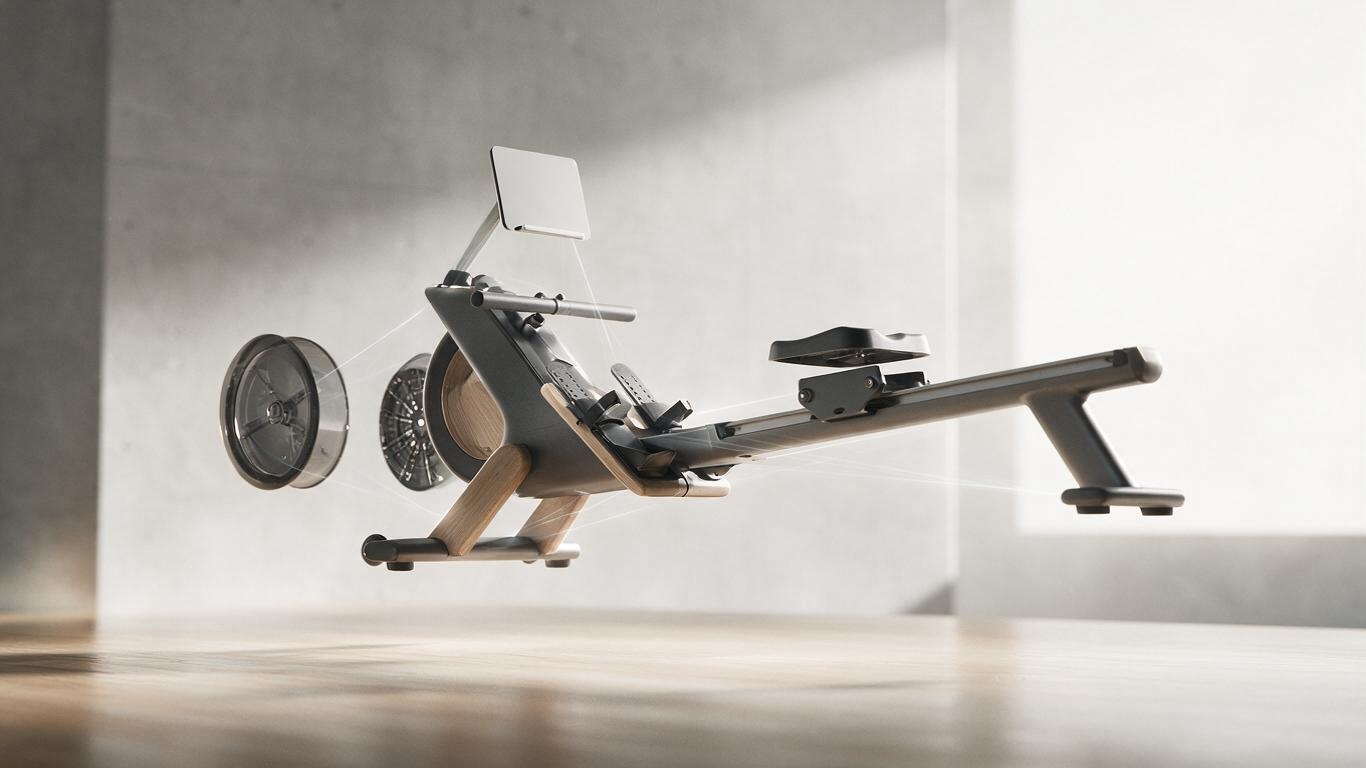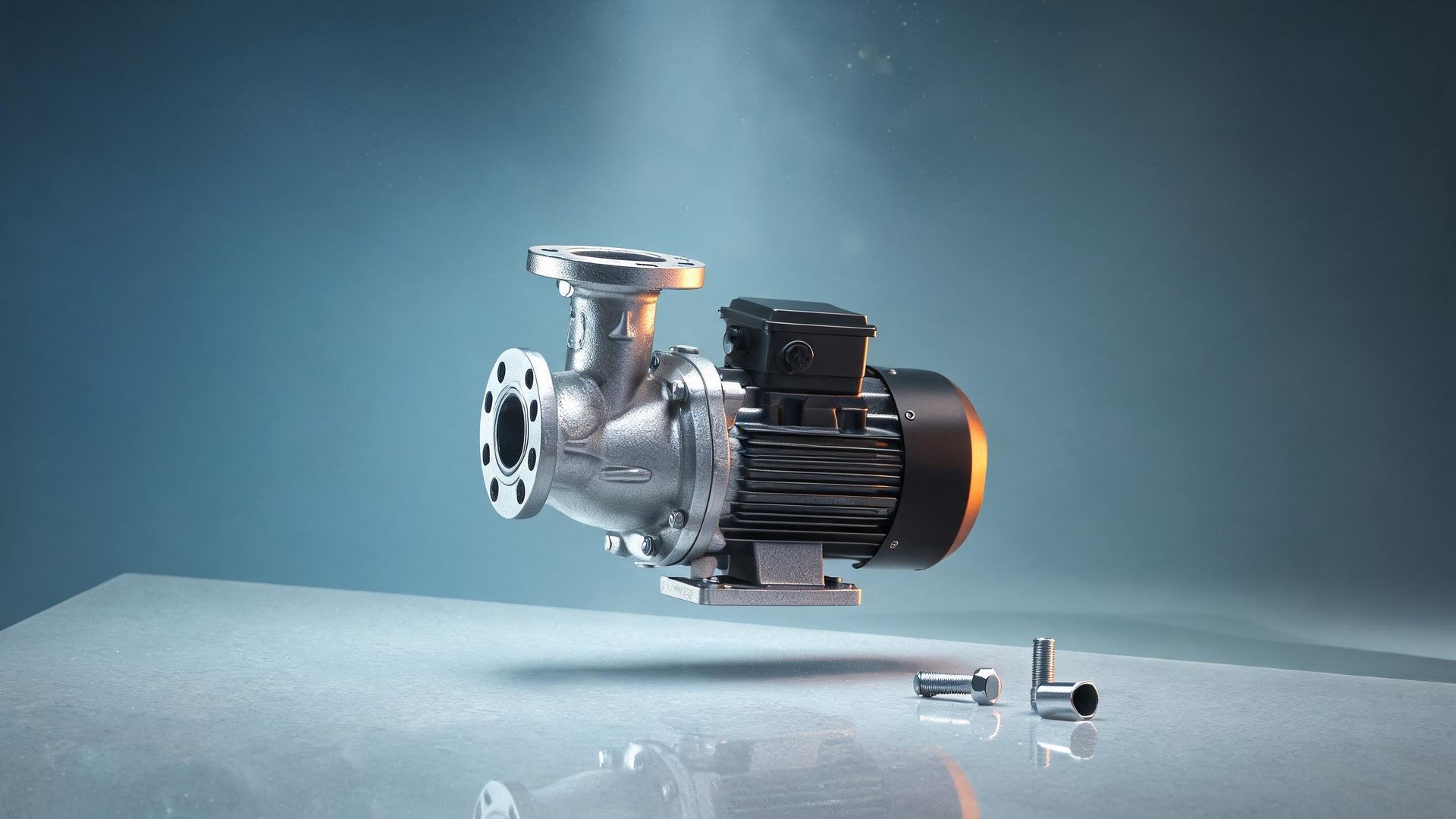
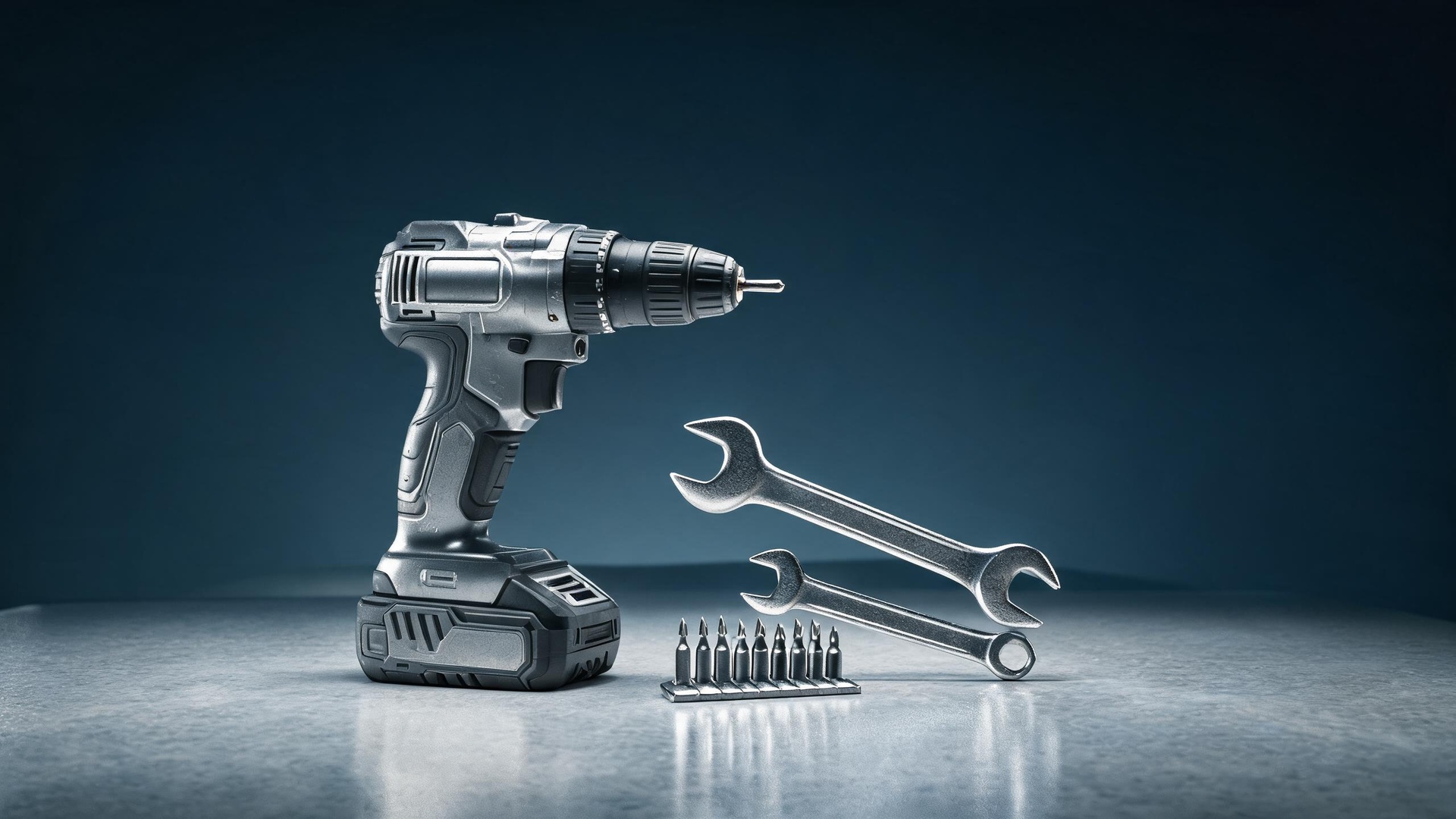
Last Wednesday a client who manufactures power tools called us. He skipped the usual “what have you made before” and went straight to the point: “How much does product animation cost? I got three quotes — one at three hundred, one at three thousand, and one that said ‘it depends’. What does that even mean?”
We hear this every week. The gap between those numbers is rarely about honesty. It is about units of measurement. One vendor sells you a finished clip, another sells you seconds of compute, a third sells you person-days. Comparing those three invoices is like comparing kilos to litres — there is no answer at the end.
What actually blows up a budget in ai 3d animation production is almost never the headline number. It is three charges buried in appendices, revision clauses and usage terms. After serving dozens of manufacturing brands, these are the three we see most often — and the three you should refuse to pay.
Charge one: seconds of footage you pay for twice
Per-second pricing sounds professional. Fifteen seconds minimum, thirty seconds discounted, done. The question you need to ask is: how many times are you paying to build the product from scratch?
In a traditional pipeline, modelling a hardware tool — geometry, edge breaks, surface finish, lighting setup — can consume forty percent of total effort. Vendors fold that into the per-second rate, and you end up funding the same drill three times across three videos. A mature AI-driven pipeline treats the 3D asset as reusable infrastructure: an entire family of wrenches, bits and sockets shares proportions and materials, and only camera angles and motion change between shots. The first spot is expensive. The second should not be.
So when someone quotes eight hundred per second, ask one question before doing the maths: what does the second SKU in the same family cost? If the number does not drop, that is the charge you are overpaying. For a step-by-step view of how an industrial product goes from CAD to final frame, our breakdown of a precision equipment animation maps every stage to actual hours.
Charge two: the revision clause that snowballs
“Two rounds of revisions included.” Six words that look generous and are quietly the most expensive line in the contract.
Because what counts as one round? Changing a colour, or rebuilding an entire motion sequence? Hardware products are especially exposed here. The client notices, after the chuck starts spinning, that the rubber texture on the grip reads too shallow and asks for a fix. The vendor files that as “model rework”, not a revision, and the meter starts running.
The fix is unglamorous but reliable: split the definition in writing. Content revisions — copy, colour, shot order, pacing — should come with three to five rounds, because they are cheap. Structural revisions — wrong geometry, wrong proportions, wrong mechanical logic — are the vendor's responsibility and should be redone at no cost. Getting that boundary clear saves more money than haggling two thousand off the quote.
Charge three: ownership, and the invoice that arrives six months later
This one is invisible until it is not.
You pay, you receive a finished clip, you run it on Amazon and on paid social. Three months later you want to pull a single frame of that wrench for a detail page, or re-record the voiceover for another market. The vendor explains that source files were never in scope, and reuse requires a separate licence.
That is not extortion — the industry genuinely sells two different things. One is a film. The other is an asset. The film is cheaper. The asset costs more, but you receive layered files, keyframes and the product's 3D geometry, which means your own team can change a background colour or cut a new language version without calling anyone. For brands with many SKUs and constant launches, buying the asset always beats buying the film, even at thirty percent more up front.
Put this sentence in the contract: deliverables include editable project files and the product 3D asset, owned by the brand, licensed for all channels, all territories, in perpetuity. That single line prevents three years of friction.
The pre-signing checklist
- Unit: per clip, per second, or per person-day? What is the rate for the second SKU in the family?
- Scope boundary: how many content revisions? Is structural rework excluded? What is the hourly rate beyond scope?
- Deliverables: resolutions, horizontal and vertical cuts, captioned versions, source files and 3D assets?
- Licence: all channels, all territories, no expiry, re-editing included?
- Timeline: how many approval gates, how long does each hold, what happens on delay?
Ask those five and most inflated quotes deflate on their own. A vendor who cannot answer them usually does not know where the cost comes from either.
So what is a reasonable number?
For a 15–30 second piece aimed at e-commerce galleries and social feeds, with a straightforward product and one hero benefit, the common range sits in the low thousands up to roughly two thousand dollars equivalent. Content with cutaways, exploded views or multi-SKU choreography typically lands between three and eight thousand. Beyond that you are into brand film territory, where the pricing logic is a different conversation entirely.
Judgement matters more than the range. People who ask “how much does product animation cost” and can name the cost drivers tend to end up with the more honest number, because they know what they are buying. If you are weighing several proposals, our four criteria for choosing an ai 3d animation production partner sets out a better order of judgement than price alone. Or just talk to us with your product shots and target platforms — we will send an estimate broken down by stage, not a “it depends”.